Search Engine Optimization (SEO) helps a website rank higher in search results. It makes the site show up first when people look for products, services, or information. SEO helps businesses get steady traffic for free. They don’t have to pay for each visitor with ads. Instead, they can create useful content. They can also improve website speed and build online authority. Modern SEO is no longer just about keywords. Search engines look at how well your content meets user needs. They also check how trustworthy your site is. Finally, they see if visitors have a good experience. SEO works by mixing content strategy and technical upgrades. It improves user experience and builds authority. This helps you get noticed on Google Search and AI tools. Whether you own a local shop, an online store, a SaaS business, or a big company, knowing SEO is key. It’s a smart way to invest in long-term online growth.
Key Takeaways
- SEO helps websites earn free traffic from search engines.
- Modern SEO focuses on people first, not search engines first.
- Good SEO combines content, technical optimization, and authority building.
- SEO supports long-term business growth instead of short-term advertising.
- AI-powered search is changing how people find websites. Now, high-quality content is more important than ever.
- SEO is an ongoing process that requires continuous improvement and monitoring.
Introduction
Every day, billions of searches are performed on Google. People search for answers. They compare products. They find nearby businesses. They watch tutorials. They also research services before buying. Websites on the first page get most clicks. Pages on later pages get very little traffic.
This is where Search Engine Optimization, commonly known as SEO, becomes essential. SEO helps your website appear when people are actively searching for what you offer. SEO makes your business part of users' searches. It shares helpful and trustworthy information. This way, you don’t interrupt them with ads.
Today's SEO is much more advanced than simply adding keywords to a page. Search engines get topics. They recognize user intent. They also look at content quality, page experience, and website authority. Businesses that share helpful content often do better. They keep a working website and build trust online. This can lead to higher rankings and steady traffic.
In this guide, you’ll discover how SEO works and why it matters. You’ll explore the types of SEO and ranking factors. We’ll also cover AI-powered search, common mistakes, and practical strategies. These tips will help beginners build lasting search visibility.
What Is Search Engine Optimization (SEO)?
Search Engine Optimization (SEO) improves a website’s ranking in unpaid search results. The goal is to help search engines understand your content. This helps users find your website. They can easily search for relevant information, products, or services.
SEO is different from paid advertising. With SEO, you don’t pay each time someone visits your website. Your rankings depend on three things. First, publish helpful content. Second, improve your website's performance. Third, build authority over time. When these elements work together, your website shows up more in search results. This brings in qualified organic traffic.
SEO is not a single activity. It combines content creation and website optimization. It improves user experience. It upgrades technical parts and builds authority. All this makes one long-term plan. The better your website satisfies user needs, the more likely it is to perform well in search engines.
Simple Definition: Search Engine Optimization (SEO) makes a website better. It helps the site appear more in search results. This brings in more qualified visitors.
A Simple Example of SEO
Imagine you own a dental clinic in London. One of your potential customers searches Google for "best dentist near me." Many websites offer similar services, but Google shows only a few results on the first page.
If your website has helpful content, it will rank better. Fast-loading pages also help. Good reviews matter, too. Clear location info is important. Strong authority can boost your ranking in Google search results. When a user clicks on your website for free, you've gained organic traffic. This happens through SEO.
The same process works for ecommerce stores. It also fits software companies. Local businesses can use it too. Healthcare providers and educational websites benefit from it. Most online industries can apply this process.
Why SEO Is More Important Than Ever
Search behavior has changed dramatically over the past few years. People no longer search only on Google. People ask questions on AI platforms. They also use voice assistants, YouTube, and other search tools. Even with these changes, SEO is still the key. It helps search engines and AI systems understand, assess, and suggest your content.
A strong SEO strategy doesn't just improve rankings. It boosts your brand's visibility on various search platforms. It also attracts visitors who are ready to buy. This builds trust with potential customers. Plus, it creates a steady source of traffic that keeps growing over time.
Many businesses invest in top seo service USA. They see SEO as a long-term growth strategy. It keeps delivering value long after marketing campaigns end.
Why SEO Matters for Businesses
SEO connects businesses with users right when they need a solution. Search engines help people find what they need. They help with buying products. They also assist in comparing services. Plus, they make learning new things easier.
Unlike traditional advertising, SEO focuses on attracting visitors who already have intent. Active searchers are more likely to engage, convert, or stay as customers. Consistent SEO efforts help your brand get noticed. They also build trust with customers. When users see your website in different searches, they feel more confident in your brand.
Some of the biggest advantages of SEO include:
Benefit
Why It Matters
- Higher Visibility
- Appear in front of people searching for your products or services.
- Organic Traffic
- Earn consistent visitors without paying for every click.
- Better Trust
- High-ranking websites are often viewed as more credible.
- Long-Term Growth
- SEO continues generating results long after content is published.
- Better User Experience
- SEO encourages faster, easier-to-use websites.
- Higher ROI
Long-term SEO often costs less than continuously running paid advertisements.
How Search Engines Work
Before learning how SEO boosts rankings, it’s key to know how search engines work. When you search on Google, it reviews billions of pages in seconds. Then, it shows the most relevant results.
Google's algorithm relies on many signals, but the process has four simple stages.
1. Crawling
Search engines use crawlers, or spiders, to find new and updated web pages on the internet. Crawlers keep following links from page to page. They collect information about websites as they go.
A clear website structure helps search engines. Strong Technical SEO makes it easy to find key pages.
2. Rendering
When Google finds a page, it looks at its HTML, CSS, JavaScript, images, and more. This helps Google see how the page looks to users. If key content doesn't show up right, search engines may not understand the page.
Modern websites need good rendering. This helps keep important information easy to find.
3. Indexing
After Google understands a page, it checks if the content should go in its big search database. This database is called the index. Only indexed pages are eligible to appear in search results.
Pages with duplicate content, low-quality info, or technical problems might not get indexed. This can happen no matter how many keywords they have.
4. Ranking
When you search, Google's algorithms check millions of indexed pages. Then, they choose the ones that give the best answer. The ranking process looks at many factors. It checks relevance, authority, user experience, page quality, and freshness. There are also hundreds of other signals. Only then does it show the final search results.
Publishing useful content helps. It also boosts your search visibility. Together, these steps can improve your rankings over time.
How SEO Works
SEO works by improving the signals that search engines use to evaluate your website. Modern SEO aims to make websites easier to understand. It also aims to give users value and make it easy for search engines to access.
A good SEO strategy mixes different activities. It doesn't just depend on one ranking factor.
Successful websites don’t rank just by repeating keywords more than others. They rank high because they share great information. They meet search intent well. Plus, they have a strong technical base.
The Four Foundations of Modern SEO
SEO involves many tasks, but successful strategies focus on four main foundations.
Content Optimization
Content helps search engines know what your pages discuss. It also gives useful information to users. Every page should answer real questions. It must solve real problems. Also, it should meet the user's search needs. Businesses that use SEO Content Writing Services make strong content. This content works well in traditional searches. It also shines in AI searches.
Technical SEO
Great content can still struggle to rank. This happens if search engines can’t crawl, render, or index your website correctly. A strong technical foundation speeds up websites. It also helps mobile usability and security. Plus, it improves structured data and crawlability. That’s why Technical SEO Services matter for long-term success.
On-Page SEO
On-page SEO aims to improve elements within each web page. This includes titles, headings, URLs, internal links, images, and metadata. Effective On-Page SEO Services help search engines see how relevant a page is. They also enhance the user experience.
Off-Page SEO
Search engines evaluate how other websites reference and recommend your content. High-quality backlinks, brand mentions, digital PR, and online reputation boost authority. Ethical Off-Page SEO Services help businesses gain trust. They do it naturally. They skip manipulative link-building tactics.
Types of SEO
SEO is not a single technique or one-time task. It has several specialized areas. They work together to boost your website's visibility in search results. Each type targets a unique part of optimization. The best results happen when they all work together. Knowing the different types of SEO helps you create a balanced strategy. This way, you won’t just focus on one area.
On-Page SEO
On-page SEO focuses on optimizing the elements that exist directly on your website. This means creating great content. Improve page titles and write catchy meta descriptions. Organize headings well. Optimize images and boost internal links. Also, make sure each page meets the user's search intent. On-Page SEO Services help search engines grasp your content. They also make it easier for visitors to navigate and engage with your site.
Some of the most important on-page optimization activities include:
- Keyword optimization
- Search intent optimization
- Title tag optimization
- Meta description optimization
- Heading structure
- Image optimization
- Internal linking
- Content optimization
- URL optimization
Technical SEO
Technical SEO builds a strong foundation for your website. It helps search engines crawl and render your pages. This also makes indexing and ranking easier. Even great content can fail. Technical issues might stop search engines from reading or understanding it. Businesses use Technical SEO Services. These services improve website performance. They fix crawl issues and boost Core Web Vitals. Additionally, they build a strong base for long-term growth.
Technical SEO commonly includes:
- Website speed optimization
- Mobile responsiveness
- XML sitemaps
- Robots.txt optimization
- Canonical tags
- HTTPS security
- Structured data (Schema)
- Core Web Vitals
- Crawl and indexing improvements
Off-Page SEO
Off-page SEO boosts your website’s authority and reputation outside of your own site. Search engines look at backlinks. They also check brand mentions, online reviews, citations, and digital PR. These are trust signals. They help rank websites. Higher trust leads to better rankings. Ethical Off-Page SEO Services help businesses get authority signals. They do it in a natural way. This avoids link-building tricks.
Some common off-page SEO activities include:
- Earning quality backlinks
- Digital PR
- Brand mentions
- Local citations
- Guest posting
- Reputation management
- Social media promotion
Local SEO
Local SEO helps businesses appear when people search for nearby products or services. Search engines focus on businesses that are close by. So, if you look for "best coffee shop near me" or "dentist in Manchester," they'll show nearby options first. Companies in specific areas often use Local SEO Services. This helps them show up better on Google Maps, in local searches, and in Google Business Profile listings.
Local SEO usually focuses on:
- Google Business Profile optimization
- Local citations
- Location pages
- Customer reviews
- Local keyword targeting
- NAP consistency (Name, Address, Phone)
Ecommerce SEO
Ecommerce SEO is specifically designed for online stores that sell products. Ecommerce businesses have a lot to optimize. They must focus on many product pages. This includes category pages, filters, product variants, and internal links. This is not the same as traditional websites. Ecommerce SEO Services help online stores. They increase visibility. They improve rankings. This leads to more sales.
Key ecommerce SEO activities include:
- Product page optimization
- Category page optimization
- Product schema
- Faceted navigation optimization
- Product reviews
- Internal linking
- Product image optimization
Enterprise SEO
Large organizations often manage thousands—or even millions—of web pages. Enterprise SEO manages big websites. It keeps them technically healthy. It ensures quality content. It also helps with easy optimization. Large businesses use Enterprise SEO Services. These services help with SEO in many departments. They also handle different products and websites around the world.
Enterprise SEO usually includes:
- Large-scale technical audits
- Content governance
- Automation
- Log file analysis
- Scalable internal linking
- Enterprise reporting
International SEO
Businesses that target different countries or languages need more than just translation. They need a good SEO plan. International SEO helps search engines. It shows the right language and regional version of a website. This way, users in different markets get the content they need. Organizations expanding globally use International SEO Services. These services boost visibility in many countries. They also avoid problems with duplicate content. Plus, they help with regional targeting.
International SEO typically includes:
- hreflang implementation
- Country targeting
- Language optimization
- Regional keyword research
- International URL structure
- Localized content
The Four Pillars of SEO
SEO has many techniques. Still, every successful strategy is based on four key pillars. These pillars boost your website's visibility, authority, and search performance over time.
SEO Pillar
Primary Goal
- Content
- Create helpful, relevant, people-first content.
- Technical SEO
- Help search engines crawl and index your website efficiently.
- On-Page SEO
- Optimize every page for relevance and user experience.
- Off-Page SEO
- Build trust, authority, and credibility across the web.
Focusing on only one pillar rarely produces sustainable results. Websites that consistently perform well invest in all four areas simultaneously.
What Are SEO Ranking Factors?
Google uses hundreds of signals to determine which pages deserve the highest rankings. Google’s algorithm is a secret. It rewards sites that give users a great experience. Businesses should not chase every ranking factor. They should focus on the signals that matter most for the long term.
Some of the most important ranking factors include:
Ranking Factor
Why It Matters
- Helpful Content
- Answers user questions completely and accurately.
- Search Intent
- Matches what users actually want to find.
- Website Authority
- Builds trust through backlinks and brand recognition.
- Technical SEO
- Helps search engines crawl and understand your website.
- User Experience
- Improves engagement through speed and usability.
- Mobile Friendliness
- Supports Google's mobile-first indexing.
- Core Web Vitals
- Measures loading speed, stability, and responsiveness.
- Internal Linking
- Helps distribute authority across related pages.
- Content Freshness
- Keeps information accurate and relevant.
- Structured Data
- Helps search engines understand page content better.
Instead of optimizing for many individual signals, focus on these key areas:
- Publish useful content.
- Keep your website technically healthy.
- Build genuine authority over time.
SEO vs SEM
SEO and Search Engine Marketing (SEM) are closely related, but they are not the same. SEO aims to boost unpaid search visibility. SEM uses organic optimization. It also uses paid ads. Both methods boost visibility on search engines.
SEO takes time to produce results, but it delivers sustainable traffic over the long term. SEM creates quick visibility with ads and boosts long-term growth through SEO.
SEO
SEM
- Organic search traffic
- Organic + paid search
- Long-term strategy
- Short and long-term strategy
- No cost per click
- Advertising budget required
- Builds authority over time
- Generates immediate visibility
SEO vs PPC
Pay-Per-Click (PPC) advertising helps businesses get quick visibility. They pay to show up at the top of search results. SEO earns rankings naturally by enhancing website quality and relevance. Many businesses combine SEO and PPC Management Services. This helps them get leads fast. It also supports long-term growth.
SEO
PPC
- Free organic clicks
- Paid clicks
- Long-term investment
- Immediate traffic
- Builds authority
- Budget-dependent
- Sustainable results
- Stops when ads stop
SEO vs GEO
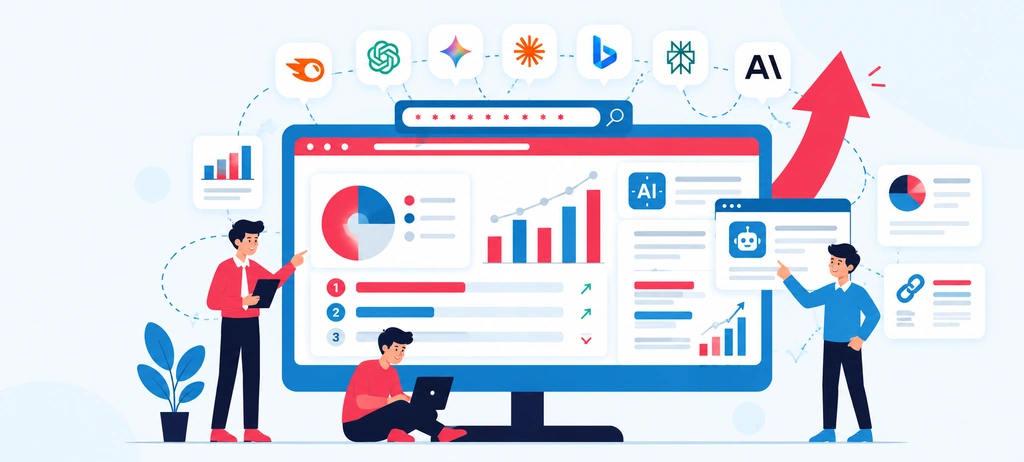
Generative Engine Optimization (GEO) helps improve visibility in AI search tools. This includes ChatGPT, Google AI Overviews, Gemini, and Perplexity. Traditional SEO boosts your rankings in search engines. GEO boosts the chances that AI systems will find and suggest your content.
Instead of replacing SEO, GEO builds upon it. Websites with strong authority do better in search results. Accurate info is key. Clear structure helps, too. Trusted expertise boosts performance in AI responses. Learning Generative Engine Optimization (GEO) is now more valuable as AI search evolves.
SEO vs AEO
Answer Engine Optimization (AEO) creates content that answers user questions. It is clear and easy to read. The format is concise and well-structured. AEO helps content show up in featured snippets, voice search results, AI summaries, and answer engines. This is different from traditional SEO. Traditional SEO mainly focuses on rankings.
Clear explanations and structured headings boost SEO and AEO. FAQ sections are helpful too. Search engines want content that answers questions quickly.
SEO vs AI Search
Traditional search engines show a ranked list of web pages. Users can pick which result to visit. AI-powered search gives quick answers by merging info from many trusted sources.
Although the search experience is changing, the fundamentals remain the same. Websites with useful content do better in traditional and AI search. They need strong authority. A clear structure is important. Trustworthy information also helps. Businesses that use AI SEO services are readying their websites for the future of search. They’re also boosting their current SEO efforts.
How to Build an SEO Strategy (Step by Step)
A successful SEO strategy is built on research, planning, execution, and continuous improvement. Many beginners want quick results from SEO. However, lasting rankings come from a solid process, not from shortcuts. Focus on making a roadmap. Align it with your business goals and your audience's search habits. Don't try to optimize everything at once.
Here are steps for any business. They can help improve search visibility. This will attract qualified organic traffic.
Step 1: Understand Your Audience
Every successful SEO strategy begins with understanding your audience. Identify your ideal customers. Know their problems. Understand how they search for solutions online. Do this before choosing keywords or publishing content. This helps you make content that answers real questions. It’s better than just targeting keywords that don’t add much value.
Understanding search behavior helps you organize content by topics, not just keywords. Focusing on search intent makes content more relevant. It also helps you rank for more related searches.
Keyword research shows the words people use. They search for information, products, or services. Focus on terms that match your audience's intent and your business goals. Don’t just target high-volume keywords. A balanced keyword strategy usually includes informational, commercial, transactional, and long-tail keywords.
Smart keyword research finds content ideas. It shows who you compete with. It also helps pick important topics. This can boost organic traffic.
Step 3: Create Helpful Content
Content is a key signal in SEO. It shows search engines your expertise and helps users solve their problems. Make detailed resources that cover a topic completely. Don't just write short articles for one keyword. Google increasingly rewards content that demonstrates expertise, originality, and practical value.
Businesses that use SEO Content Writing Services build better authority. They do this by answering many related questions. They focus on more than just one keyword.
Step 4: Optimize Every Page
Publishing content is only the beginning. Each page must be optimized. This way, both users and search engines can easily grasp its purpose. This includes improving titles, headings, URLs, images, internal links, metadata, and overall readability. Optimized pages are easy to crawl and understand. They also better meet user needs.
A technically healthy website makes it easier for search engines to crawl, render, and index your content efficiently. Even great articles can face problems. If a website loads slowly, has broken links, or indexing issues, it can hurt performance. Poor mobile usability can also be a big problem. Regular technical improvements strengthen your site's foundation and support long-term SEO performance.
Step 6: Build Authority
Search engines evaluate how other websites interact with your content. Backlinks, brand mentions, digital PR, and citations all contribute to your website's credibility. Don’t buy links or use tricks. Instead, create content that gets mentions from trustworthy websites.
Ethical Link Building Services help your website. They boost authority. They also cut risks from bad backlinks.
Step 7: Measure and Improve
SEO is an ongoing process, not a one-time project. Check rankings and traffic often. Look at user engagement too. Track conversions and technical performance. This helps you see what works and what needs improvement. Consistent data review helps you update old content and spot new chances. It also lets you react to algorithm shifts faster than your competitors.
Tracking Organic Search and Search Visibility together helps you see your website's growth better. It gives a clearer view of long-term performance.
Using the right tools makes SEO simpler. They help you track performance, find new opportunities, and spot technical issues. Many premium platforms are available, but beginners can get great results. They can combine free Google tools with a few paid options.
Tool
Primary Purpose
Google Search Console
- Monitor indexing, clicks, impressions, and rankings.
- Google Analytics 4
- Measure traffic, engagement, and conversions.
- Google PageSpeed Insights
- Analyze website speed and Core Web Vitals.
- Google Keyword Planner
- Discover keyword ideas and search volume.
- Semrush
- Keyword research, competitor analysis, and site audits.
- Ahrefs
- Backlink analysis and keyword tracking.
- Screaming Frog
- Technical SEO auditing and website crawling.
Each tool offers unique insights. Using them together gives a fuller view of your website's SEO performance.
Common SEO Mistakes to Avoid
Many websites fail to improve because they repeat the same optimization mistakes. Early awareness of these issues helps you build a solid SEO foundation. It also prevents penalties and wasted effort.
Mistake
Why It Hurts SEO
- Keyword stuffing
- Makes content difficult to read and violates Google's quality guidelines.
- Publishing thin content
- Provides little value and struggles to compete.
- Ignoring search intent
- Creates pages that don't answer users' questions.
- Weak internal linking
- Reduces discoverability and topical relevance.
- Slow website speed
- Creates a poor user experience and increases bounce rates.
- Duplicate content
- Confuses search engines about which page should rank.
- Ignoring technical issues
- Prevents search engines from crawling and indexing pages properly.
- Chasing shortcuts
- Often leads to temporary gains followed by ranking losses.
Long-term SEO success means helping users consistently, not just trying to trick search algorithms.
SEO and AI Search: The Future of Search Optimization
Search is evolving beyond traditional blue links. Today, people use AI tools. These include Google AI Overviews, ChatGPT, Gemini, Copilot, and Perplexity. These systems provide direct answers by merging info from several trusted sources. So, content quality is more important than ever.
Rather than replacing SEO, AI search is expanding it. Websites that have a clear structure and reliable information tend to rank higher. They are more likely to show up in regular search results and AI-generated answers. Businesses want to be seen on new platforms. They are using Generative Engine Optimization (GEO) strategies. This is in addition to traditional SEO.
A Simple 90-Day SEO Plan
SEO is a long-term investment. A structured roadmap helps you build momentum. It also lets you focus on activities that have the biggest impact.
Timeline
Primary Goal
Month 1
Complete keyword research, fix technical issues, and optimize important pages.
Month 2
Publish high-quality content, strengthen internal linking, and improve user experience.
Month 3
Earn quality backlinks, refresh older content, monitor performance, and continue expanding topical authority.
Businesses targeting international markets use a similar approach. They adjust their strategies for local audiences. This means using the UK's best seo company and local optimization.
Conclusion
Search Engine Optimization is much more than improving rankings on Google. It’s a long-term plan. It helps businesses become visible, build trust, attract qualified visitors, and grow sustainably. Modern SEO mixes helpful content and technical skill. It also focuses on user experience and building authority. This creates websites that serve both people and search engines well.
As search continues to evolve through AI-powered experiences, the fundamentals remain unchanged. Businesses that know their audience earn visibility. They share useful content and keep their website healthy. This helps them get noticed on traditional search engines and new AI platforms.
Whether you're new to SEO or enhancing your strategy, focus on long-term quality. This approach will lead to the best, lasting results. Organizations looking for help often pick a professional top seo service USA. These services use clear strategies. They boost rankings. They raise organic traffic. They help grow businesses.