The realm of PPC advertising is evolving rapidly, spurred on by technological advancements, shifting consumer behaviors, and the ever-changing digital marketing arena. Over the past year, PPC marketing trends have emerged as a vital tool for businesses, offering a direct pathway to engage with their desired audience.
At its core, pay-per-click (PPC) is an online advertising technique wherein advertisers compensate a search engine for prominent placement in search results. It functions as a form of internet marketing where marketers incur charges each time a user clicks on their ad. The search engine or platform, in turn, receives payment solely when it drives traffic to an advertiser’s website via ad clicks. In this blog, you will explore the mechanics of PPC, its significance, and outline strategies for managing effective PPC campaigns.
What is PPC?
PPC, short for pay-per-click, is a type of online advertising where advertisers bid to display their ads on search engine results and websites. They do this to promote their offerings. In this model, advertisers pay publishers each time someone clicks on their ad. That’s why it’s called pay-per-click – advertisers only pay when someone clicks on their ad. If someone sees an ad but doesn’t click on it, the advertiser is still informed about the impression but doesn’t have to pay because no click occurred.
By analyzing data on ad impressions and clicks, advertisers can tweak their PPC campaign ads to meet their specific campaign goals. These goals can vary, from increasing app downloads to encouraging sign-ups for free trials.
The world of PPC marketing trends is evolving rapidly. With advances in technology and shifts in consumer behaviour, the digital marketing scene is constantly changing. Throughout this article, we’ll dive into the top PPC marketing trends 2026 and how you can stay ahead of the curve.
Advertisers are Turning to First-Party Data Tracking in 2026
There’s a big shift happening in how advertisers reach customers. This year, using data collected directly from their own audiences (like website visitors and app users) is becoming a major trend. Let’s dive into why this “first-party data tracking” is so important.
- Privacy Laws and the End of Cookies: New privacy rules and tech companies stopping the use of certain data (like cookies) mean advertisers can’t rely on old methods anymore. First-party data, collected with your customers’ permission, helps you stay on the right side of the law and prepares you for a future with less outside data.
- Better Understanding of Your Customers: Since this data comes directly from your audience, it’s more accurate and tells you exactly what your customers want. This lets you create targeted ads and messages that resonate with them, leading to better campaigns.
- Happier Customers, More Sales: By understanding your customers better, you can personalize their experience. Imagine showing discounts for products they’re interested in or recommending things they might like. This builds stronger relationships and keeps customers coming back.
- Future-Proofing Your Marketing: The advertising world is always changing. Having a strong plan for collecting your data means you’re prepared for whatever comes next, keeping you ahead of the competition.
PPC marketing trends in 2026 is the year advertisers are embracing first-party data tracking. It’s not just about following privacy rules; it’s about creating more precise, effective, and customer-focused advertising. This is a big step towards a better way of marketing in the digital age.
In 2026, Artificial Intelligence (AI) and Machine Learning (ML) are shaking up Pay-Per-Click (PPC) advertising in big ways. These aren’t just trendy words; they’re changing how we make, run, and improve PPC campaigns. Let’s dive into what they’re doing:
- Predictive Analytics: AI and ML are great at looking at loads of data and guessing what will happen next. For PPC, this means they can figure out which ads will probably get clicked on the most based on past data. Advertisers can then focus on the ads that are likely to work best.
- Real-time Bid Optimization: AI is super handy for adjusting bids on ads as they’re running. ML algorithms are always learning from how ads perform and changing bids to get the most bang for your buck. This means campaigns are always getting better without needing someone to tweak them all the time.
- Personalized Ads: AI can make ads that fit what people are into. It looks at what users do online and makes ads that match their interests. This makes ads more likely to catch someone’s eye and make them want to buy something.
- Efficient Campaigns: AI and ML can handle lots of the boring stuff in PPC campaigns, like finding good keywords or testing ad copy. This frees up time and speeds up how fast you can launch and change campaigns.
- Better User Experiences: AI doesn’t just make ads; it makes them better. By making ads that fit what people want to see, they’re less annoying and more helpful. This makes people feel better about the brand behind the ad.
More Insights: AI tools give advertisers a deeper look into how their campaigns are doing and what people are up to online. This helps them make smarter choices about their ads and get better results.
Explore 40 PPC Tools For Any Task
PPC marketing trends for PPC Success: Keyword Strategies for Better Advertising in 2026
As AI and ML keep getting better and easier to use, we’ll see more and more of them in PPC advertising. This could mean ads that work even better and a shift towards ads that focus more on what users want.
In 2026, using long-tail and intent-based keywords is a big deal in PPC marketing trends, and here’s why you should care as an advertiser:
Long-tail keywords are more detailed phrases used by people who are close to buying something or using voice search. Even though they don’t get as much traffic, they bring in really interested people who are more likely to click on your ad and buy something.
Intent-based keywords help us understand why someone is searching. This helps us show our ads to people who are actively looking for what we offer, which boosts the chances of getting them to buy.
Here’s why this PPC marketing trends matters:
- Better Conversion Rates: Ads targeting these kinds of keywords usually get more sales or sign-ups because they reach people who are ready to buy.
- Lower Costs: Since these keywords are more specific, they have less competition, which means you pay less for each click.
- Improved Ad Relevance: With these keywords, you can make ads that speak directly to what the searcher wants, making them more likely to click and buy.
- Voice Search Optimization: Long-tail keywords are important for voice searches because people talk more naturally when searching by voice.
- Better Understanding of Your Audience: Intent-based keywords help you understand what stage of the buying process your audience is at, which is super helpful for planning your marketing.
By jumping on this trend, you’re not just following the crowd; you’re making smart choices that get your ads in front of people who are ready to buy. This means better campaigns, more bang for your buck, and higher returns on your ad spend.
Understanding Google’s keyword match types is also important for your PPC strategy 2026. Google has three main types:
- Broad Match: Shows your ads for searches related to your keyword, even if the words aren’t exactly the same. It reaches lots of people but might not be super specific.
- Phrase Match: Shows your ads for searches that include the meaning of your keyword, but in a specific order. It’s a balance between broad and exact matches.
- Exact Match: Shows your ads only for searches that exactly match your keyword. It’s super precise but might not reach as many people.
Here’s why this matters:
- Efficiency and Relevance: Using the right match types makes sure your ads are shown to the right people, boosting your chances of getting sales while managing your budget well.
- Balancing Reach and Precision: You can use a mix of match types to reach a wide audience while still targeting those most likely to buy.
- Using Automation: Google suggests using Smart Bidding with broad match keywords. It helps optimize your bids for searches most likely to convert, using Google’s AI.
- Simplifying Campaigns: Understanding that broad match includes all the searches from narrower matches plus more helps you keep your keyword lists manageable.
By using these insights in your PPC ads, you’re not just following trends; you’re using Google’s tools to reach your audience better. Remember, the goal is to connect with your audience in the best way possible, and keyword match types help you do just that.
Mastering Voice Search: Essential for Your 2026 PPC Marketing Trends
Voice search optimization is a big deal for your PPC strategy, especially as we head into 2026. With more people using smart speakers and voice assistants like Alexa and Siri, voice searches are getting longer and more conversational. This means it’s time to tweak your PPC plan.
To do well with voice searches, you need to focus on longer, more chatty keywords that match how people talk. Instead of short, simple searches, think about questions or specific requests. For example, instead of typing “weather New York,” someone might ask, “What’s the weather like today in New York?”
To nail this, you need to tweak your PPC campaign. Use keywords that match the questions people ask, write ad content that answers those questions directly, and target your ads to fit what people are looking for. Voice search users want quick answers, especially for local stuff, so it’s key to focus on local SEO and give short, clear answers to likely questions.
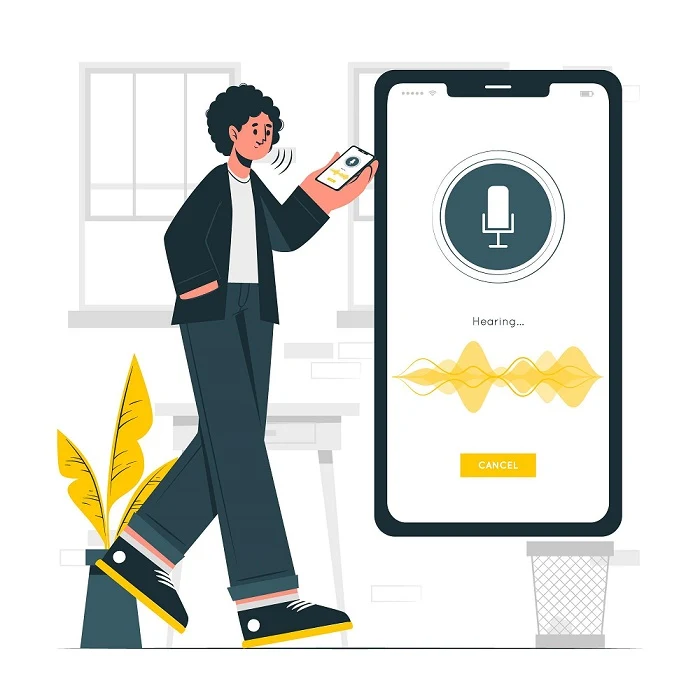
By customizing your PPC ads for voice search, you’re not just beating out your competition; you’re also connecting better with your audience. As more folks use voice search, optimizing for it will be a must for your PPC strategy, giving your business an edge in a growing market. Check out our blog for more tips on how to mix AI and voice search into your ad plan.
In 2026, using an omnichannel approach in PPC marketing is a must. It means using multiple platforms beyond just PPC marketing trends. These platforms offer different audiences and ad formats, giving advertisers more ways to reach new customers. Let’s take a look at some of the top platforms:
- Facebook and Instagram: These social media giants have tons of user data, so you can target your ads precisely. Plus, with features like Instagram Stories and Reels, you can get creative with your ads and engage users in different ways.
- TikTok: This platform is popular, especially among younger people. Its short videos are perfect for grabbing attention, making it a great choice for brands trying to connect with Gen Z and Millennials.
- LinkedIn: If you’re in the B2B market, LinkedIn is the place to be. You can target professionals based on things like their job title and industry, making it perfect for lead generation and brand awareness in the business world.
- Amazon Advertising: For e-commerce, Amazon is crucial. You can show ads to people who are ready to buy, and there are lots of ad options to choose from. With new tools like BrightBid, you can even take people straight from Google to your Amazon store.
- Pinterest: This platform is all about inspiration and discovery. If your brand has visually appealing products, like home decor or fashion, Pinterest is a great place to show off your stuff.
- Snapchat: While it’s not for everyone, Snapchat has unique ad formats that work well for reaching younger audiences. Things like AR lenses and full-screen video ads can help your brand stand out.
- X (Twitter): Twitter is still a good option for real-time engagement and conversation. Its ads are great for brand awareness and engaging with trends or events.
- YouTube: YouTube is the king of video advertising. With so many people watching videos, your ads can get a lot of visibility. Plus, there are different ad options to choose from, like skippable ads or video discovery ads.
- Microsoft Advertising (formerly Bing Ads): Bing may not be as popular as Google, but it still reaches a unique audience. It’s a good alternative for search advertising if you want to expand your reach.
- Connected TV (CTV) Advertising: This is a big trend for 2026 because more people are watching streaming services on their TVs. With CTV ads, you can target viewers based on their data, just like with other platforms, making your campaigns more effective.
Using all these platforms together can help you reach more people and make your ads more effective. It’s all about getting your message in front of the right people, no matter where they are online.
Conclusion
The world of pay-per-click (PPC) is always changing. To stay ahead in PPC marketing trends in 2026, businesses need to keep up with these changes, embrace new technologies, and adjust their strategies.
At w3era, a Internet Marketing Experts, we recommend focusing on artificial intelligence and machine learning, optimizing for voice and video, ensuring privacy compliance, and integrating PPC into your overall digital strategy. These PPC marketing trends can help maximize the effectiveness of your PPC efforts and outshine your competitors.
However, it’s important to remember that effective PPC strategies aren’t just about following trends. You also need to understand how these trends fit with your business goals and cater to your target audience. Keep learning, keep experimenting, and keep refining your approach to achieve the best PPC results this year.