E-commerce is not an industry. It's a marketing tactic. E-commerce platforms are now becoming the perfect choice for shopaholics. As per recent projections, e-commerce sales may reach 1.2 trillion US dollars in 2027. Yet, your e-commerce success is incomplete without SEO. An SEO-friendly platform enhances brand visibility and also brings higher conversions and sales. Want to build an e-commerce platform for reaching a wider audience? Here are the top 7 best platforms for e-commerce to choose from. This blog will help you improve e-commerce SEO and find the best platform for your business. For a deeper understanding of optimization strategies, explore our e-commerce SEO complete guide.
Not every ecommerce platform is equally optimized for search engines. Some platforms provide stronger SEO features such as customizable URLs, schema markup support, faster loading speed, and better control over technical SEO settings. In this guide, we compare the best ecommerce platforms for SEO based on their optimization capabilities, scalability, and potential to generate organic traffic.
Why SEO Matters in the E-commerce World
E-commerce fundamentally altered the way businesses sell products and connect with customers online. Before discussing e-commerce SEO, let's learn about e-commerce platforms.
An ecommerce platform is software that enables businesses to create, manage, and scale an online store. It allows merchants to display products, manage inventory, process payments, and customize the storefront while handling the technical infrastructure of selling online.
Read Also - E-commerce Website Development
Importance of SEO for E-commerce
SEO ensures your online store gains long-term visibility, attracts qualified customers, and increases conversions. While choosing the right ecommerce platform is important, sustainable organic growth also depends on implementing ecommerce SEO services for UK businesses that combine technical optimization, content strategy, and ongoing search performance improvements. It helps your store rank higher on Google, build customer trust, and generate consistent sales without relying solely on paid advertising.
The best ecommerce platform for SEO depends on how much control you want over your store’s technical setup. Platforms like WooCommerce and Magento offer deeper customization, while Shopify and BigCommerce provide built-in SEO tools that simplify optimization for beginners.
When choosing an ecommerce platform for SEO, consider whether it allows:
- customizable URL structures
- editable meta tags
- schema markup support
- automatic sitemap generation
- mobile optimization
- page speed improvements
A platform with strong SEO capabilities helps your store rank higher in search results and attract consistent organic traffic.
When choosing the best e-commerce platform, especially for B2B or B2C, SEO should be a top priority. A strong platform can help your store rank higher, and attract more traffic and customer conversions. Here's what to look for:
1. Customizable URLs and Meta Tags
A perfect e-commerce platform allows you to generate clean, keyword-optimized URLs and edit meta titles and descriptions. It helps prioritize your website for search engines and also improves search visibility.
2. Mobile Optimization
Mobile shopping is rising and your platform must embrace a responsive design. It will score higher and give a better user experience for mobile users.
3. Fast Loading Speed
Page speed is one of the leading ranking factors. The best platforms offer built-in performance tools like caching and image optimization to ensure fast loading.
4. Sitemap Generation
An SEO-friendly B2C or B2B e-commerce platform will automatically generate and update XML sitemaps to help search engines crawl your site easily.
5. Blogging Capabilities
Generating traffic is impossible without content creation. These platforms offer blogging features for keyword-rich content publishing that bring authority and ranking.
6. Structured Data (Schema Markup)
Schema markup helps search engines understand product details such as price, ratings, availability, and reviews. Ecommerce platforms that support structured data can appear in rich search results and increase click-through rates.
7. Canonical Tag Control
Ecommerce websites often create duplicate pages through filters or category variations. Platforms that allow canonical tag control help prevent duplicate content issues and protect SEO rankings.
Related Blogs -
| Platform |
SEO Strength |
Difficulty |
Best For |
| Shopify |
Built-in SEO tools |
Easy |
Small & medium stores |
| WooCommerce |
Full SEO control |
Medium |
Content-driven stores |
| BigCommerce |
Strong built-in SEO |
Easy |
Growing ecommerce brands |
| Magento |
Advanced technical SEO |
Hard |
Enterprise businesses |
| Wix |
Beginner-friendly SEO |
Easy |
Small businesses |
| Squarespace |
SEO-optimized templates |
Easy |
Creative brands |
| OpenCart |
Customizable SEO settings |
Medium |
Developers |
Choosing the best web platform for e-commerce can make or break your online store’s visibility. Here are the top 7 e-commerce platforms for Seo:
1. Shopify

Shopify is among the best e-commerce platforms. It provides an intuitive interface, built-in SEO tools, and seamless app integration. It allows for editing meta tags, mobile optimization, automatic sitemaps, and blogging capabilities. You can easily improve and analyze performance using effective SEO plugins integrated with Google Analytics.
Shopify automatically generates XML sitemaps and includes structured data for products, which helps search engines crawl and index ecommerce pages more efficiently.
Read Also:- Boost your Shopify E-Commerce Store
Pros:
- Highly user-friendly with No coding required
- Built-in blogging features
- Included SEO plugins
- Mobile optimized and quick
Cons:
- Limited URL structures
- Cannot directly edit robots.txt
- An SEO-ready and scalable B2B e-commerce platform, Shopify is the right solution for businesses wanting to grow with organic traffic.
2. Woocommerce

For SEO purposes, WooCommerce is one of the top-notch e-commerce platforms simply because it fully integrates with WordPress. It permits complete control over URLs, meta tags, and content essential for search engine indexing. With plugins like Yoast SEO and built-in blogging, store optimization becomes plain and easy.
WooCommerce is widely considered one of the most SEO-flexible ecommerce platforms because it runs on WordPress and allows complete control over technical SEO elements such as meta tags, URLs, schema markup, and internal linking.
Pros:
- SEO effectiveness with customizable URLs
- Advanced WordPress SEO plugins
- Seamless Blogging options
- Flexible and scalable
Cons:
- The basic design for beginners
- Need plugin management and quality hosting.
It is among the cheapest e-commerce platforms, making it perfect even for budget-squeezed businesses aspiring for organic growth.
Related Blog: WooCommerce SEO Complete Guide 2026
Looking for Woocommerce SEO Services for your Business? Book a free Consultation Today!
3. Bigcommerce
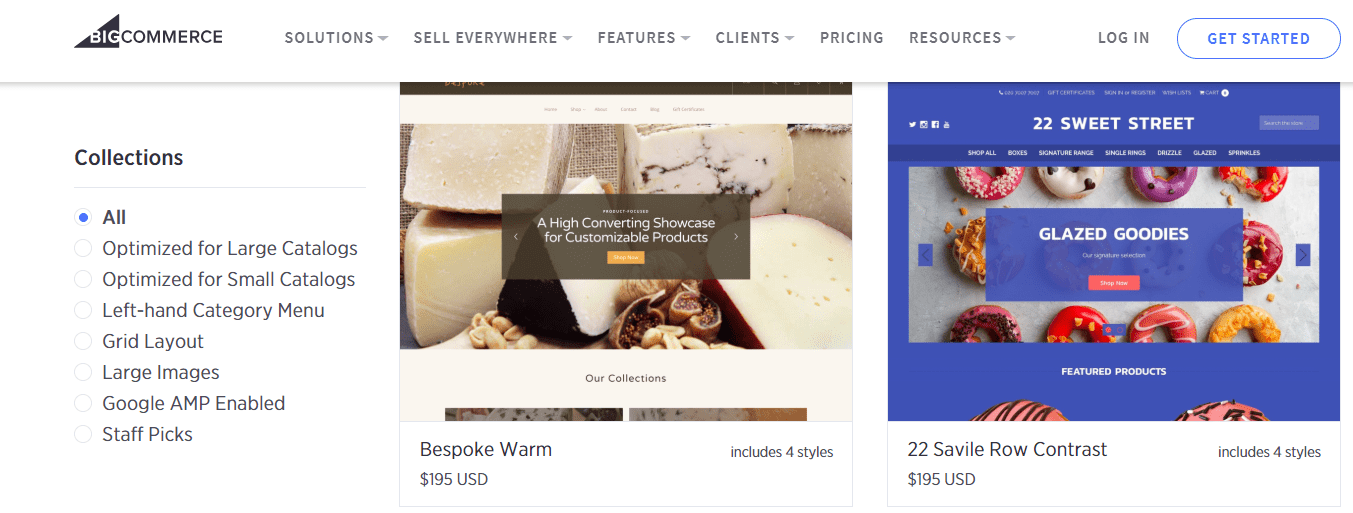
BigCommerce stands out among the best e-commerce platforms for its built-in SEO tools, customizable site, and speed-oriented features. You can control URLs, metadata tags, and backward append AMP for mobile loading speed with built-in image optimization and a user-friendly dashboard, simplifying your business growth.
BigCommerce also provides built-in canonical tags and optimized URL structures, which help prevent duplicate content issues that are common in large ecommerce catalogs.
Pros:
- Built-in SEO tools and clean URL structure
- AMP support for fast mobile performance
- No coding needed, easy to use
Cons:
- An expensive option for stores with a high volume of sales
- Limited integration with third-party SEO apps
BigCommerce is the preferred platform for those who need SEO power without technical know-how.
4. Magento

Magento, now Adobe Commerce, is an all-in-one e-commerce platform to boost online visibility. It offers advanced SEO settings, where users can define URL patterns up to meta tags and redirection rules. A huge developer community with an extension library offers consistent support. It is built for users who want it to be very accurate.
Magento supports advanced SEO configurations including URL rewriting, schema markup integration, and large-scale product catalog optimization.
Pros:
- Fully customizable for advanced SEO
- Have good features and solid development support
- Best for large and scalable enterprises
Cons:
- Requires coding knowledge
- High setup and maintenance costs
Magento is right for enterprise-level stores that aim to go for complete SEO control and long-term growth.
Collaborate with a reliable Magento SEO agency that produces measurable outcomes for eCommerce businesses across the globe.
5. Wix eCommerce

Wix is among the most simplified e-commerce platforms and is probably the best option for anyone trying to get started with SEO. There is an in-built SEO Wiz, which builds a step-by-step plan for optimizing your store. You are also able to edit meta tags, titles, and URLs without having to do any coding.
Wix has significantly improved its SEO capabilities with customizable meta tags, automatic sitemap generation, and built-in structured data support.
Pros:
- SEO Wiz for guided optimization.
- Mobile-friendly by default.
- Easy content updates and generation of sitemap.
Cons:
- Limited advanced SEO controls.
- Not ideal for large-scale businesses.
Wix is all that a small business needs to build strong SEO efforts without much hassle.
6. Squarespace

Squarespace is a polished and easy-to-operate option among e-commerce platforms, balancing sleek design and significant SEO attributes. It has mobile-optimized template designs, editable meta tags, alt texts, and automated sitemap creation. The built-in blogging and analytics are best for enhancing visibility and tracking SEO performance.
Squarespace automatically generates XML sitemaps and offers mobile-optimized templates that support better search engine visibility.
Pros:
- Mobile responsive and SEO-friendly templates
- Built-in blogging and analytics
- Clean URLs and automated site maps
Cons:
- Limited SEO plugin integration
- Less flexible for large-to-integration for complex stores
Best for design and ease, thus ideal for small to middle-sized enterprises.
7. Open Cart

OpenCart is among the simplified open-source e-commerce platforms offering solid SEO control without additional costs. The system comes out of the box with support for custom URLs, page titles, and meta tags while boasting an inbuilt SEO configuration. In addition, you can install SEO extensions for advanced optimization.
OpenCart supports advanced SEO extensions that allow developers to implement structured data and improve search visibility.
Pros:
- Free and open-source e-commerce platform
- Complete control over SEO elements
- Easy integration with SEO extensions
Cons:
- Require technical setup
- Limited built-in support and design flexibility
Suitable for developers or small-scale businesses needing economy power for SEO.
For beginners, Shopify and Wix are often considered the easiest ecommerce platforms for SEO because they provide built-in optimization tools and automatic sitemap generation. WooCommerce offers deeper SEO control but requires some technical setup. Magento is extremely powerful but is better suited for developers and large ecommerce stores.
SEO for e-commerce is much more than ranking; it reaches customers who matter and sells more. The following is a structured guideline to help you kickstart:
1. Focus on Smart Keyword Research
Start by getting long-tail keywords and terms that carry buyer intent. Google Keyword Planner, W3era Keyword Research, etc., can be good tools to help you target what your customer wants.
2. Optimize Product Pages
Add keyword-rich titles and descriptions, images with alt tags, and CTAs. Adding customer reviews can help with trust while being relevant to search engines.
3. Improve Site Structure & Speed
Your page URLs must be clean and readable. Ensure complete mobile optimization and fast page loading. Google rewards better user experience.
4. Use Schema Markup
Use schema for products, reviews, and pricing. It boosts your visibility with rich search results and enhances click-through rates.
5. Create Quality Content
Blogs, how-to guides, and video content drive organic traffic. Create value-packed content targeting every stage of the customer journey
6. Build Strong Backlinks
Use social media, guest posts, and influencer engagement. Strong backlinks increase your credibility and rankings.
Employing these SEO tactics, all e-commerce platforms can ensure enhanced visibility, traffic, and conversion without wasting much on paid advertising.
7. Optimize Category Pages
Category pages often rank for high-volume keywords in ecommerce SEO. Optimizing category titles, descriptions, and internal linking can significantly improve organic traffic.
Whether you have a construction e-commerce platform or other e-commerce platforms, here are the comprehensive SEO tools for you:
1. Google Analytics
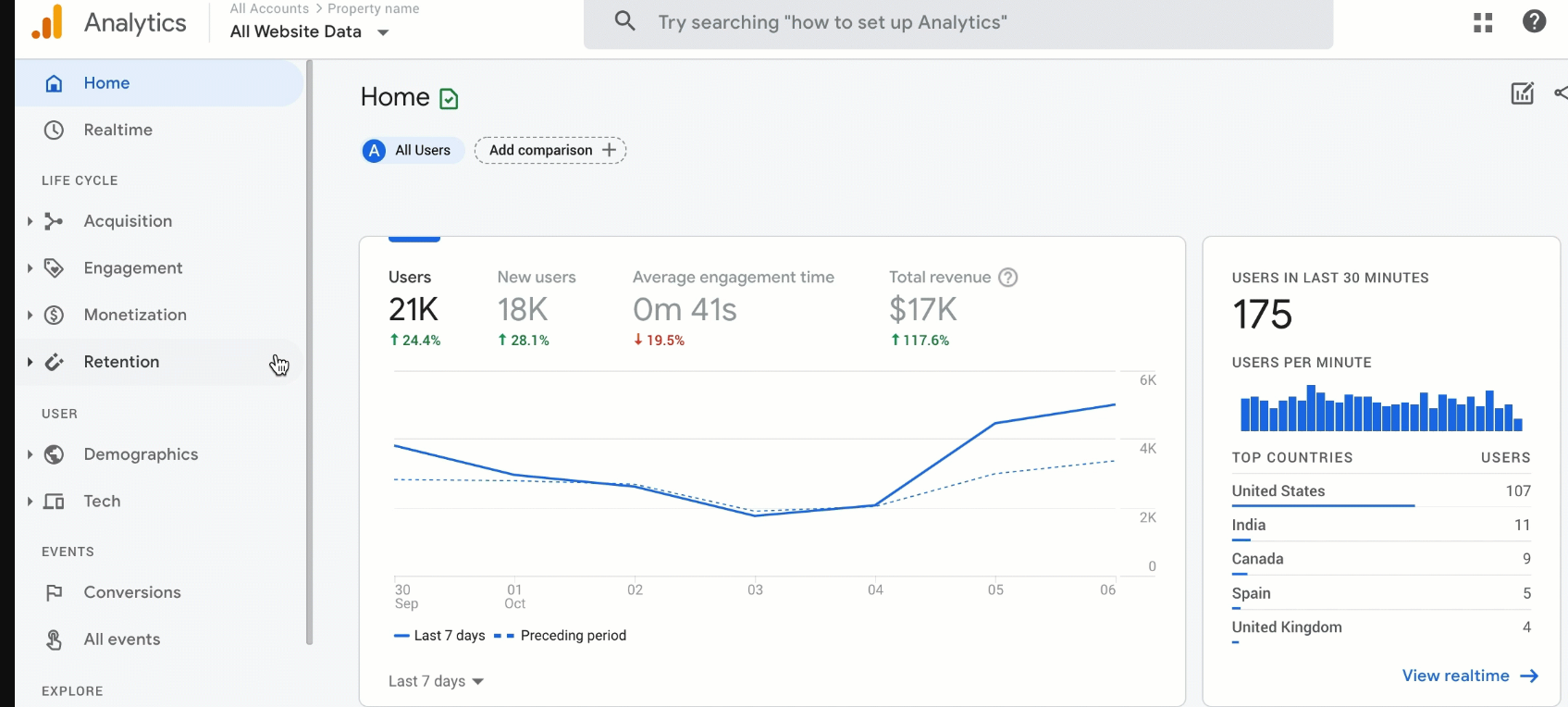
Google Analytics is a must for any e-commerce SEO. You can manage real-time activity, keyword effectiveness, user behavior, and site health, all very helpful for optimizing site visibility, traffic, and conversion rates.
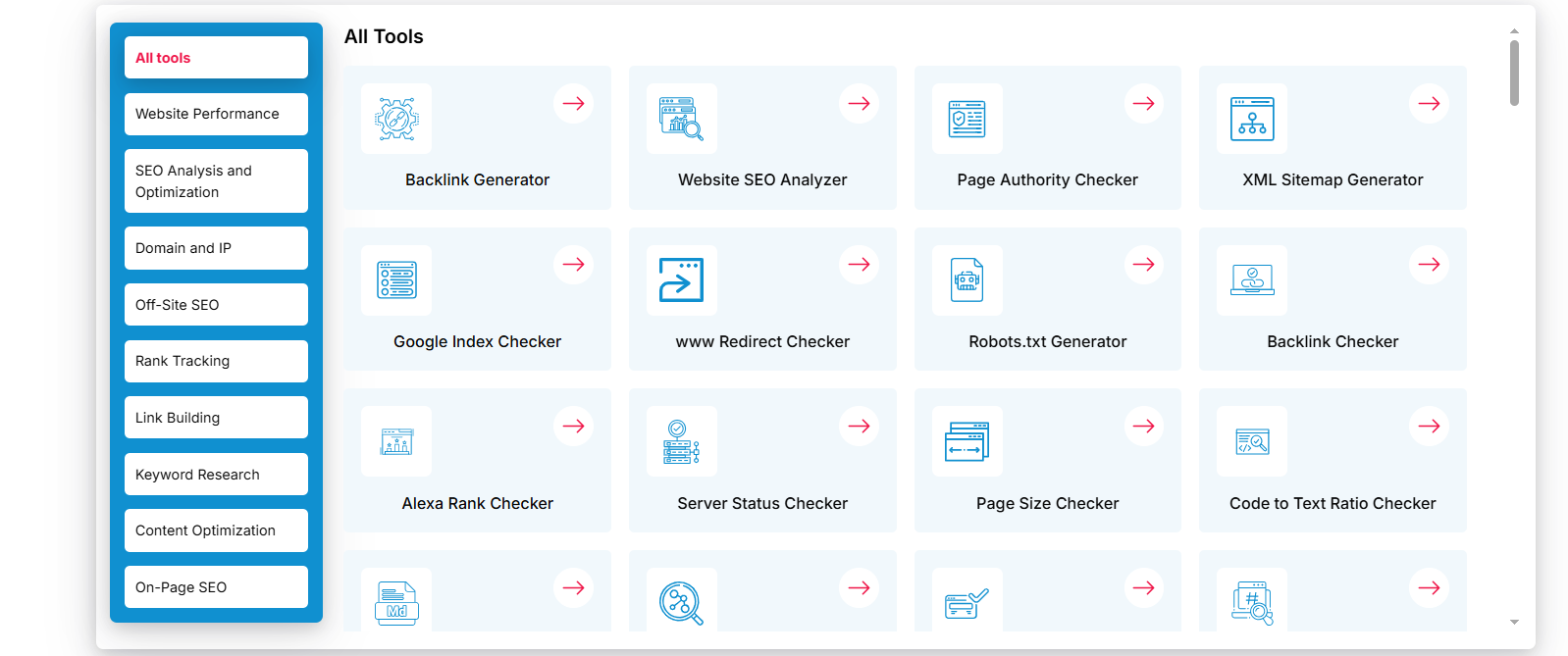
W3era SEO toolkit offers 50 free expert-built tools for ranking, speed, visibility, and conversion. Making it the one-stop solution for effortless e-commerce SEO improvement.
3. Semrush
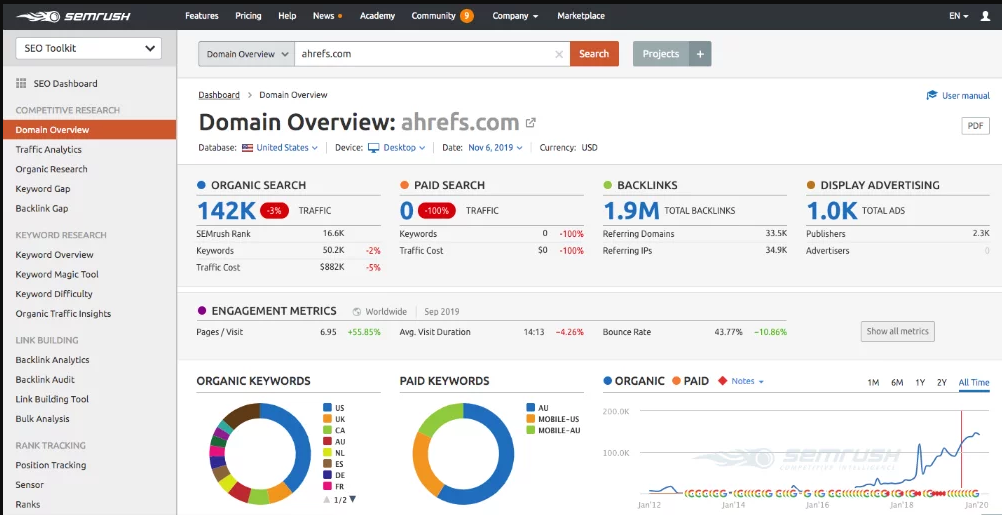
SEMrush is a one-stop SEO tool for e-commerce. It assists in rank tracking, competitor analysis, finding profitable keywords, and website optimization for increased search visibility and sales.
4. Google Search Console
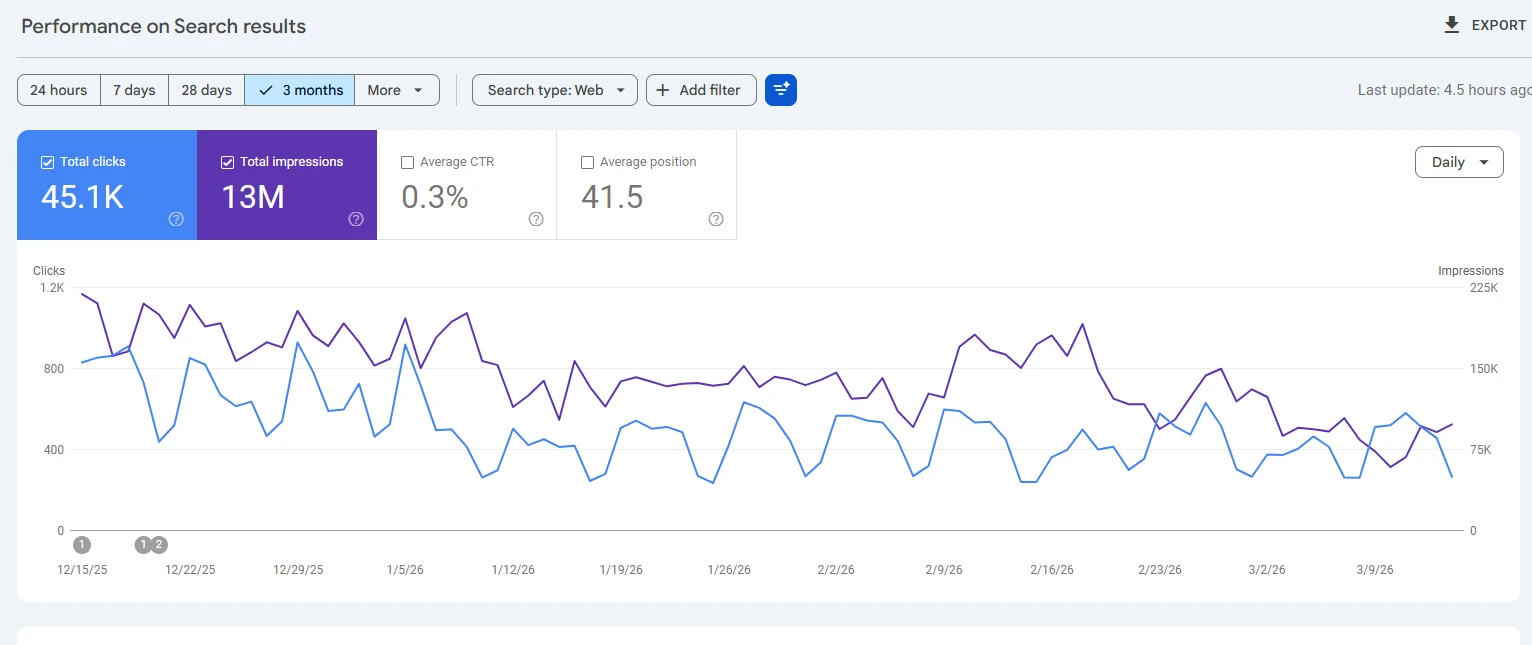
Google Search Console helps monitor keyword rankings, index coverage, and technical SEO issues. It is essential for tracking ecommerce search performance.
W3era is a top-tier digital marketing agency globally trusted by businesses to enhance their online existence. Here’s why we are the best platform for eCommerce website SEO success:
1. Proven SEO Strategies
Our GROWTH-driven strategies allow your products and services to rank on top and be trusted by your target audience.
2. Result-Driven Marketing Campaigns
We provide result-oriented SEO campaigns that drive traffic, enhance visibility, and increase online sales.
3. Smart Keyword Research
We target high-intent keywords Research to elevate your store amongst the top online eCommerce platforms.
4. Experienced SEO Experts
With in-depth algorithm expertise, our team ensures measurable growth within your brand goals.
5. Optimized Content for Conversions
From product pages to blogs, we create SEO-optimized content for attraction, engagement, and conversion of visitors.
Read Also - Best Content Management Systems
Conclusion
Choosing an e-commerce platform for SEO will be the first step in building a store that ranks, attracts, and converts. Whether you're a beginner or scaling fast, platforms like Shopify, WooCommerce, or Magento can match your pace with unique SEO strengths. Add proficient strategies, the best SEO tools, and expert help from W3era, and you're ready for the journey to sustainable online growth. Ready to grow? Start optimizing today!
Elevate your E-commerce SEO journey with W3era- your lasting digital growth partner!
See Also:
E-commerce Digital Marketing Trends
FACEBOOK DRIVES 4 LATEST E-COMMERCE FEATURES