Gaining 1 million visitors to your website isn’t just about hitting a numerical milestone; it's about 1 million opportunities to expand your reach, engage your audience, and convert visitors into loyal followers or customers. Websites that achieve high traffic don’t do so by chance, they follow structured, data-driven strategies that optimize every aspect of their online presence.
Behind the scenes, these high-traffic websites implement content marketing strategies, search engine optimization (SEO), social media amplification, and paid advertising to maintain steady growth. They focus on understanding their audience, optimizing engagement, and leveraging multiple digital channels to drive targeted traffic.
In this guide, we’ll break down the essential strategies that successful websites use to scale their traffic to 1 million visitors and how you can replicate their success. Reaching 1 million website visitors requires combining SEO-driven content clusters, consistent distribution (email, social, partnerships), authority building, and conversion-optimized pages. Most websites reach this milestone by compounding 3–5 traffic channels over 6–18 months, not through a single growth tactic.”
1. Use Semantic & Long-Tail Keywords
A good content developer doesn’t stuff the content with keywords. He will not let the quality go down. He can use synonyms of the keywords that are used commonly and can drive huge amounts of traffic as for synonyms, the traffic density is low, so the competition is less and you can rank high easily.
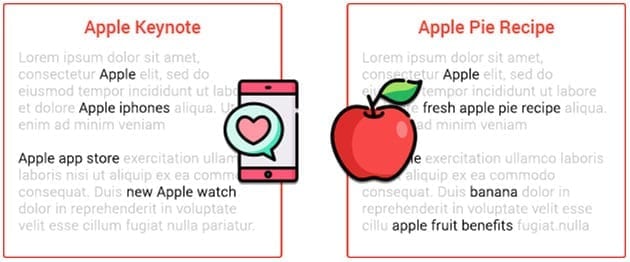
Levarage free SEO tools and generate crucial content assets. A trend has been seen in the use of long-tail Keywords they help websites rank high as the competition is less and the clients do use these long-tail keywords quite often.
When & Where You Should Put the LSI Keywords:
-
LSI Keywords do not replace the main keywords. They supplement the main keywords and act as helpers.
-
The main keywords are still essential; omitting the primary keywords will not improve your rankings.
-
The main keyword acts with the LSI (Latent Semantic Indexing) keywords.
-
Add no more than two LSI keywords to the main keyword to avoid keyword stuffing.
-
This approach improves topical relevance and content clarity, helping search engines better understand context while maintaining a natural, user-focused writing style.
-
This method still yields maximum search results without overdoing it with keywords.
Why It Works:
-
Long-tail keywords have lower competition but higher conversion potential.
-
Voice search optimization improves rankings for natural, conversational queries.
By incorporating semantic relevance and AI-driven keyword research, your content can attract more organic traffic and improve search rankings.
Businesses looking to turn semantic SEO into measurable growth often partner with a SEO Services in UK that builds content strategies around search intent, topical authority, and long-term organic visibility.
Related Services: Semantic SEO Services
2. Create Ethical Backlinks
Backlinks in Off-Page SEO are a genuine way of making your website visible off-page. It is considered risky as people tend to overdo it and try to buy backlinks, which is considered unethical by Google Police. If you get off-page links from good websites where the content is relevant to be linked to the website, it will bring you more traffic.
Today, backlinks are evaluated in context. A single mention from a relevant industry publication can outweigh dozens of low-quality links. Google also values brand mentions and co-citations as authority signals.
Try to drive traffic from bloggers or guest bloggers who are developing content relevant to your website products or services and try to get backlinks from there.
Best Practices for Ethical Backlinking:
-
Earn backlinks naturally by producing high-value, shareable content.
-
Focus on relevance – Secure high-quality links from websites that align with your niche.
-
Leverage guest blogging to publish content on reputable industry websites.
-
Build relationships with influencers and bloggers for organic mentions.
-
Use digital PR strategies to get featured in news articles and industry reports.
What to Avoid:
-
Buying backlinks – This violates Google’s guidelines and can result in penalties.
-
Getting links from low-quality or irrelevant sites.
-
Overusing sponsored links without proper disclosures.
Instead of chasing backlinks, earn them through credibility and valuable content, ensuring long-term traffic growth.
👀 Also Visit: SEO Agency in New York
3. Get Reviews of Business
While reviews are often associated with local SEO, they indirectly impact traffic by improving click-through rates, trust, and brand search demand. Reviews are a perfect way to bring more traffic to the website. First of all, try to get as many genuine reviews as you can. Ask your customers to drop reviews on your website, Google Page, or Social Media accounts. Some website owners go for paid reviews, but you must stay watchful there.
How to Get More Customer Reviews:
-
Encourage satisfied customers to leave reviews on Google, Trustpilot, and social media.
-
Simplify the process by providing direct review links in emails.
-
Respond professionally to all reviews (both positive and negative).
-
Offer ethical incentives (discounts, loyalty points) to encourage feedback.
Why Reviews Matter for Traffic Growth:
-
Boosts SEO rankings – Google values fresh, user-generated content.
-
Increases CTR (click-through rates) – Higher ratings attract more clicks.
-
Enhances social proof – More reviews lead to greater trust and credibility.
By integrating customer reviews into your SEO strategy, you can strengthen your brand reputation and attract more visitors.
Also Read: Why Local SEO Matters for Small Businesses in Jaipur in 2026
4. Long-Form Content for Authority and Engagement
A 500-word blog post will do no good to you. It will not have sufficient keywords to get your web page visibility, nor can the content be very explanatory. With long-form blog posts, you earn the credibility of knowledge, and people tend to trust websites that deliver more knowledge to the customers. There are many avid readers out there who want to read more and more about the things of their interest.
Why Long-Form Content Works:
Pages that rank for high-traffic keywords typically exceed 1,500–2,500 words and cover a topic comprehensively rather than superficially, making them more valuable for both users and search engines.
-
Increases dwell time – Readers stay longer, signaling to Google that your content is valuable.
-
Provides in-depth knowledge –Establishes your website as an authority in the industry by fully addressing user intent and related questions.
-
Allows for better keyword optimization – More space to naturally incorporate primary keywords, semantic variations, and long-tail search terms without forced repetition.
-
Boosts social sharing – Longer, well-researched posts are more likely to be referenced, bookmarked, and shared across platforms.
Long-form pillar pages perform best when supported by related cluster articles that internally link back to the main page, helping search engines understand topical depth and improving overall ranking potential.
Best Practices for Long-Form Content:
-
Break content into readable sections using subheadings, bullet points, and visuals.
-
Include high-quality images, infographics, and videos to increase engagement.
-
Optimize for user intent by addressing common questions and problems.
-
Interlink-related blog posts to keep users navigating within your website.
-
Add strong CTAs (Call-to-Actions) to drive conversions and engagement.
The tactics will change every other day, but some are there to stay forever. If you are determined and stay consistent with the well-tested techniques, driving 1 Million traffic is no big deal for your website.
People are highly active on social media platforms, making them one of the fastest and most effective channels for driving traffic to your website.
If you’re looking for quicker visibility and engagement, your social media profiles must be optimized with clear messaging, strong CTAs, and links that guide users back to your site. An engaging headline or post title often makes the difference between a scroll and a click.
-
Optimize your profiles – Ensure every social media profile includes your website link, clear descriptions, and relevant call-to-action buttons.
-
Post consistently – Maintain a regular posting schedule to stay visible and top-of-mind with your audience.
-
Use high-quality visuals –Images, infographics, and short videos significantly outperform text-only posts in engagement and clicks.
-
Leverage trending topics and hashtags – Participating in relevant trends increases reach and discoverability.
-
Engage with your audience – Respond to comments and messages to build trust and encourage interaction.
-
Run contests and giveaways – Incentivize users to visit your website for exclusive content or offers.
Facebook Algorithm Tips for Higher Visibility:
Facebook Algorithms are programmed this way so that if they receive more comments, the posts rank high. These tricks help you increase the visibility across the pages and lead to more potential leads on the website.
Be consistent on your social media accounts with engaging content or visual content, as social media pages bring huge traffic to the websites. The followers can receive notifications from the pages and learn about a new page connecting them to the website landing page. If the content is interesting enough, users may share the posts and bring more traffic to their credibility.
-
Posts that receive more comments and shares rank higher in user feeds.
-
Live videos get more engagement and push more traffic to your site.
-
Polls, quizzes, and interactive content encourage participation and increase clicks.
By integrating strategic social media marketing, you can attract new audiences, build credibility, and drive consistent website traffic.
6. Use Pay Per Click Marketing
If you need instant traffic, PPC marketing is an effective solution. Google Ads, Facebook Ads, and LinkedIn Ads can help drive targeted traffic to your website.
How to Run a Successful PPC Campaign:
-
Choose the right platform – Use Google Ads for search traffic, Facebook Ads for audience targeting, and LinkedIn Ads for B2B marketing.
-
Target the right audience – Use demographic and interest-based targeting to reach potential customers.
-
Create compelling ad copy – Use persuasive headlines, strong CTAs, and relevant keywords.
-
Optimize landing pages – Ensure your landing page aligns with the ad and has a clear conversion goal.
-
Monitor and adjust – Analyze campaign performance and tweak keywords, targeting, and bidding strategies.
A well-optimized PPC campaign can drive immediate traffic, but it’s important to combine it with organic strategies for sustainable growth. If you are comfortable spending more money to rank high, running is advisable. These campaigns charge your website per click, but post that, you must ensure the website is spanked enough to retain and convert the potential customer.
PPC works best when used to validate keywords and landing pages that later scale organically through SEO.
7. Retarget Your Audience
Retargeting allows you to re-engage users who have previously visited your website but didn’t convert, giving you a second opportunity to turn interest into action.
Effective Retargeting Strategies:
-
Use Facebook Pixel and Google Retargeting Ads – Track visitors and show them personalized relevant ads based on their behavior.
-
Create retargeting email campaigns – Send follow-up emails to users who showed interest in your products, services, or key pages but didn’t take the next step.
-
Show dynamic ads – Display personalized product recommendations based on the user’s past behavior.
-
Retarget social media followers – Encourage users to revisit your website through targeted posts and ads.
Strong retargeting relies on understanding website analytics and user behavior across pages. When retargeted users return to valuable blog content or optimized landing pages, conversion rates improve naturally.
Effective retargeting reduces acquisition cost and increases lifetime value, making it critical for scaling traffic sustainably. By bringing users back at the right moment with relevant messaging, retargeting boosts repeat visits, strengthens engagement, and supports long-term traffic growth.
8. Start Guest Blogging Or Ask Prominent Writers To Write On Your Blogs
Content is king, and you must always focus on developing good and useful content. When you Guest Blog, you can earn yourself backlinks to your blog, and when other prominent writers write on your blog, your blog gets credibility. Focus on editorial guest posts for relevance and authority, not mass guest posting networks.
This is how you can search for Guest Bloggers:
How to Find Guest Blogging Opportunities:
-
Search for “write for us” pages in your niche.
-
Use Google search operators like intitle: "write for us" + [your niche].
-
Reach out to industry leaders and offer valuable content collaborations.
-
Join blogger outreach platforms like HARO and MyBlogGuest.
Why Invite Prominent Writers to Your Blog?
-
Adds credibility and authority to your website.
-
Increases social shares and engagement from the writer’s audience.
-
Enhances SEO by earning backlinks from their network.
By leveraging guest blogging and inviting industry experts, you can expand your reach, boost credibility, and drive more traffic to your website.
9. Control Your Bounce Rate
A higher bounce rate and do bigger damage to your website. It is difficult to bring potential traffic to the website, but retaining the customers on the page is even tougher. If your bounce rate is higher, your ranking can sink badly. Keep a strong focus on the website analytics and make your website fast-loading, content-rich, and visual content, in addition to ensuring the least bounce.
User experience, page layout, and clarity of next steps now play a bigger role in engagement than raw content length alone.
How to Reduce Bounce Rate:
-
Improve page load speed – Slow pages make users leave; optimize images and use caching.
-
Enhance readability – Use short paragraphs, bullet points, and engaging visuals.
-
Use internal linking – Guide users to relevant pages to keep them engaged.
-
Add strong CTAs – Encourage users to take action, such as signing up or exploring more content.
-
Optimize for mobile users – Ensure seamless browsing across all devices.
A well-optimized website with valuable content and engaging design keeps users on your page longer, improving rankings and traffic.
Key Actions to Reach 1 Million Website Visitors
- Consistently publish high-value content that aligns with search intent.
- Build strong, ethical backlinks to improve domain authority.
- Leverage customer reviews and social proof to establish credibility.
- Maximize social media reach to engage and attract new audiences.
- Invest in long-form content that ranks higher and provides deeper insights.
By implementing these proven strategies, your website can sustain high-quality traffic growth and move towards the 1 million visitor milestone while improving engagement and conversion rates.
Conclusion
Driving 1 million visitors to your website requires a combination of strategic content creation, SEO, backlinks, and audience engagement. Simply generating traffic isn’t enough ensuring visitors stay, interact, and convert is the real challenge.
If you want a structured, data-driven roadmap to scale traffic without guesswork, contact us to work with an experienced SEO team that can significantly shorten the path to your first million visitors.