Organic search is a great way to bring visitors to your website for free. Millions of people search Google, Bing, and other engines daily. They look for answers, products, and services. When users see your website in unpaid search results, they may click on it. That visit is called organic search traffic. Organic search keeps bringing in visitors long after you stop paying. Organic traffic lasts for months or even years. Unlike paid campaigns, which only work while you have a budget. In this guide, you'll discover what organic search is. You’ll see how it works and why it's important. We’ll look at what affects rankings. We’ll also share strategies to boost your organic search. This includes both traditional and AI-powered search.
Key Takeaways
- Organic search means getting visitors from unpaid search engine results.
- Good SEO helps your website rank higher in organic search.
- Organic traffic is one of the most valuable long-term marketing channels.
- Google ranks pages based on relevance, quality, authority, and user experience.
- Helpful content, technical SEO, backlinks, and search intent all boost organic rankings.
- Organic search is changing. AI tools like Google AI Overviews and conversational search are leading the way.
Introduction
Whenever you search for something on Google, you see two types of results. The first are advertisements, which are marked as Sponsored. Here are the regular search results that Google thinks are the most helpful for your query. These unpaid listings are called organic search results.
If someone searches for "how to improve website speed," they might click on a blog. If it shows up in Google's results, that visit counts as organic traffic. The website owner doesn't pay Google for that click. The page gets its spot because Google finds it useful. It is also seen as trustworthy and relevant to what the user is looking for.
Organic search links businesses to people looking for information. It helps them find products and services. This connection is key for meeting customer needs. Your website shows up right when users need help, without interrupting them with ads. Organic traffic is very targeted. It’s often more valuable than other traffic sources.
No matter if you own a local shop or an online store, you need to know about organic search. This is true for SaaS companies and global brands, too. Understanding it is important. It’s important. It helps you create lasting online visibility and grow your business sustainably.
What Is Organic Search?
Organic search brings visitors to your website without paying for ads. When someone searches for a topic on Google, Bing, or another search engine, they may click on your website. This free visit is called organic search traffic. It means you didn't pay for that click. These rankings come from good SEO, great content, and a positive user experience, not from ads.
Organic search is how Google suggests pages that best answer a user's question. Websites that post helpful content often do better in search results. They also need to stay technically healthy. Over time, building authority helps them rank higher.
A Simple Example of Organic Search
Imagine you run an online fitness store. You write an article called "Best Running Shoes for Beginners." A few weeks later, someone searches Google for the same topic. Google finds your article relevant and displays it on the first page of the search results. A user clicks on your article, reads it, and visits your website—all without any ad costs. That visitor came through organic search.
Picture hundreds or thousands of people finding your article each month. They come from similar searches. Organic search brings a steady stream of qualified traffic. It helps businesses grow over time.
How Does Organic Search Work?
Organic search helps search engines find, understand, and rank web pages. This happens before users see the results. Google's algorithms are advanced, but the process is simple. It has three main stages: crawling, indexing, and ranking.
First, Google uses automated programs called crawlers or bots. They find new and updated pages on the internet. These bots follow links between pages and collect information about your website. Google finds your content, analyzes the page to see what it’s about, and then stores it in its search index. When someone searches, Google's algorithm checks millions of indexed pages. It ranks those that best match what the user wants.
Why Is Organic Search Important?
Organic search is a key part of digital marketing. It helps businesses find people who are looking for their products or services. Organic search is different from paid ads. With paid ads, your visibility relies on your budget. In organic search, websites get rewards. They earn these for offering helpful content. A good user experience is also important. As your website builds authority, it ranks for more keywords. This helps attract qualified visitors. This happens without needing to pay for every click.
Another major advantage is trust. Users often skip ads. They prefer clicking on organic results. They believe these listings are more reliable and relevant. Organic search is a great way to build credibility. It also helps increase brand awareness and drives long-term business growth.
These principles apply to businesses worldwide, including companies investing in recommended seo companies UK to improve their long-term organic visibility.
Benefits of Organic Search
Organic search has many benefits. It’s one of the best ways to grow a website long-term.
Benefit
Why It Matters
- Free Traffic
- You don't pay every time someone clicks your website.
- Long-Term Results
- Well-ranked pages can continue generating traffic for months or even years.
- Qualified Visitors
- People are already searching for your products, services, or information.
- Better Trust
- Many users trust organic results more than paid advertisements.
- Higher ROI
- SEO often delivers better long-term returns compared to paid campaigns.
- Brand Visibility
- Ranking for more keywords increases awareness of your business.
- Sustainable Growth
Strong organic performance supports continuous business growth.
What Makes a Page Rank in Organic Search?
Google's goal is to show users the most helpful answer for every search. It checks hundreds of ranking signals to find the best pages. While Google doesn't reveal every ranking factor, several elements consistently influence organic performance.
Some of the most important factors include:
- Helpful, original, and well-written content.
- Content that matches the user's search intent.
- A fast, mobile-friendly website.
- Strong technical SEO.
- High-quality backlinks from trusted websites.
- Clear website structure and internal linking.
- Positive user experience.
- Regularly updated and accurate information.
Businesses should create helpful content for users, not try to trick rankings. This content should solve real problems. Websites that give real value are more likely to get good organic visibility. This happens over time.
Organic Search vs Paid Search
Organic search and paid search help people find your website on search engines. They work in different ways. Organic search earns visibility naturally. It does this by creating helpful content and improving your website with SEO. Paid search lets businesses pay for ads that show up at the top of search results.
For example, if you search "best project management software," you might see Sponsored at the top. These are paid advertisements. Below those ads, you'll find the regular search results that Google ranks based on quality, relevance, and authority. These are organic search results.
The main difference is that paid search gives quick visibility as long as you pay. In contrast, organic search takes time and steady SEO work, but it keeps bringing in traffic even after the content is live.
Organic Search
Paid Search
- Free clicks from search engines
- Paid clicks through advertising
- Results earned with SEO
- Results earned by bidding on keywords
- Takes time to build
- Can generate traffic immediately
- Long-term results
- Stops when the advertising budget ends
- Builds authority and trust
- Best for short-term campaigns and promotions
Most successful businesses don't choose one over the other. They use paid search for quick visibility. They invest in organic search for long-term growth.
Organic Search vs Direct Traffic
Organic search and direct traffic are often mixed up. However, they are two distinct ways people find your website.
Organic traffic comes from search engines when users click an unpaid search result. Direct traffic happens when someone visits your website without using a search engine. This often happens when they enter your website address, use a bookmark, or click a saved link.
For example, if someone searches "best CRM software" on Google and clicks your website, that's organic traffic. If a person types your website URL in their browser, that counts as direct traffic.
Organic Search
Direct Traffic
- Visitors come from search engines
- Visitors come directly to your website
- Depends on SEO performance
- Depends on brand awareness
- Users discover your website
- Users already know your website
- Excellent for acquiring new visitors
- Common among returning visitors
Both traffic sources are valuable. Organic search brings in new users. Direct traffic shows brand recognition. It also reflects customer loyalty.
Organic Search vs Referral Traffic
Referral traffic comes from another website rather than a search engine. When a person clicks a link on another site, they come to your site. This visit is called referral traffic.
For example, imagine a popular marketing blog links to one of your articles. When readers click that link, they go to your website from a referral source, not Google.
Organic search works differently. Users search for something and then click on your website from the results.
Organic Search
Referral Traffic
- Comes from Google, Bing, and other search engines
- Comes from links on other websites
- Depends on search rankings
- Depends on external websites linking to you
- Driven by SEO
- Driven by backlinks and partnerships
Strong referral traffic helps your SEO. Quality backlinks from trusted sites build your authority. This can improve your organic rankings over time.
Organic Search vs Social Traffic
Social traffic is visitors from social media. This includes Facebook, LinkedIn, Instagram, X, and Pinterest. They come to your site from these platforms.
Social media differs from organic search. In organic search, users look for information. But on social media, users find content while scrolling through their feeds. This means the intent behind each traffic source is usually different.
For example, when someone searches for "how to improve website speed" on Google, they have a clear goal. A LinkedIn user might see the same article if a colleague shares it.
Organic Search
Social Traffic
Users actively search for information
Users discover content while browsing social media
Long-term traffic source
Traffic often depends on content promotion
Highly intent-driven
More engagement-driven
Builds sustainable visibility
Helps expand content reach
A balanced digital marketing strategy needs both organic search and social media. They help at different stages of the customer journey.
What Factors Affect Organic Search Rankings?
Google uses many ranking signals to choose which pages show up first in search results. The algorithm changes a lot. Still, the goal is clear: provide users with helpful and trustworthy content.
Focus on the factors that always affect search performance. Don’t optimize for each ranking signal separately.
High-Quality Content
Content is the foundation of organic search. Google wants to rank pages that answer users' questions clearly, completely, and accurately. Practical content that adds value performs better than pages made just for keywords.
Search Intent
Every search has a purpose. Some users want information, while others want to compare products or make a purchase. Pages that match what users want tend to do better. They give people the answers they seek.
Technical SEO
A healthy website helps search engines crawl, understand, and index your pages easily. Page speed is key. Mobile responsiveness is important. Secure HTTPS helps too. A strong site structure improves organic performance.
Website Authority
Google evaluates whether your website is trustworthy. A key sign of authority is getting backlinks from trusted websites in your industry. These links act as recommendations that help search engines understand your credibility.
User Experience
A website should be easy to navigate and pleasant to use. Fast-loading pages help users. Clear navigation is key. Readable content matters, too. A mobile-friendly design is also essential. These factors can boost organic performance.
Content Freshness
Some topics change quickly and require regular updates. Update old articles. Add fresh info, examples, and stats. This keeps your content relevant and helps it rank better in search results.
How Google Ranks Organic Search Results
Google ranks searches to provide the best answers for users. After Google finds and indexes web pages, it looks at many signals. Then, it decides where each page should rank.
Some of the most important ranking considerations include:
- Relevance to the search query
- Content quality and originality
- Search intent alignment
- Website authority
- Backlink quality
- Page experience
- Mobile usability
- Website security
- Internal linking
- Freshness of information
Google doesn't reward websites simply because they publish more content. It rewards websites that consistently help users find accurate, useful, and trustworthy information.
Common SERP Features in Organic Search
Today's search results include much more than traditional blue links. Google displays different search features depending on the user's query and search intent.
Some of the most common organic SERP features include:
SERP Feature
Description
- Featured Snippets
- Quick answers displayed above regular search results.
- AI Overviews
- AI-generated summaries that combine information from multiple sources.
- People Also Ask
- Expandable questions related to the original search.
- Image Pack
- A collection of relevant images.
- Video Results
- Videos related to the search query.
- Local Pack
- Local business listings with maps and reviews.
- Knowledge Panel
- Information about businesses, brands, or people.
Optimizing your content for these search features helps you get noticed. You can increase visibility, even if you’re not in first place.
Important Organic Search Metrics
Measuring organic search performance shows if your SEO work is paying off. Instead of focusing on a single metric, evaluate multiple performance indicators together.
Some of the most important metrics include:
Metric
Why It Matters
- Organic Traffic
- Shows how many visitors come from search engines.
- Impressions
- Indicates how often your pages appear in search results.
- Clicks
- Measures the number of users who visit your website.
- Click-Through Rate (CTR)
- Shows how often users click your listings after seeing them.
- Average Position
- Tracks your ranking performance over time.
- Ranking Keywords
- Reveals how many keywords your website ranks for.
- Conversions
- Measures business outcomes such as leads or sales.
Looking at these metrics together helps you see your website's organic performance better. It’s clearer than only tracking rankings.
Many SEO tools can help you track your organic search performance. They also help you find opportunities and measure growth over time. Each platform offers different insights, so many businesses use more than one tool.
Tool
Primary Purpose
- Google Search Console
- Monitor impressions, clicks, CTR, and indexing.
- Google Analytics 4
- Track organic traffic, engagement, and conversions.
- Ahrefs
- Analyze keyword rankings, backlinks, and competitors.
- Semrush
- Track keyword visibility, site health, and SEO performance.
- Moz
- Monitor rankings and domain authority.
Regular use of these tools helps you see what’s effective. You can find technical issues. Then, you can make smart choices. This will help improve your organic search results.
Improving your organic search performance doesn't happen overnight. You need a steady SEO strategy. Focus on creating helpful content. Also, improve your website and build trust over time. Focus on solving your audience's problems. Do it better than your competitors. Avoid ranking for hundreds of keywords at once. Google is always improving its algorithms. Websites that give a great user experience and helpful information are likely to rank higher.
Here are the most effective ways to improve your organic search performance.
Create Helpful, People-First Content
Content is the foundation of organic search. Every page you publish should answer a real question or solve a real problem for your audience. Create content that’s easy to read. Make it well-organized and truly helpful. Don’t write just for search engines. Pages that give clear answers, useful examples, and current info tend to rank better. They also keep visitors interested.
Understand Search Intent
Before creating any content, understand why someone is searching for that keyword. A user looking for "what is organic search" wants an explanation. In contrast, someone searching for "best SEO agency" might be ready to hire a service. Matching your content to what users want helps rankings. It also increases user satisfaction. Visitors can quickly find the information they need.
Build Topical Authority
Google favors websites that show expertise in a subject. They don't like random articles. Making several quality guides on related topics helps search engines grasp your niche. It also builds trust over time. If your website is about SEO, write detailed articles on keyword research, technical SEO, and link building. These topics create a strong ecosystem. This helps improve your organic rankings.
Improve Your Technical SEO
Even great content can struggle to rank. This happens if search engines can't crawl or index your site properly. Regular technical audits find issues that hurt visibility. Slow loading pages are one problem. Broken links are another. Indexing errors, duplicate content, and poor mobile usability also matter. A healthy website gives users and search engines a better experience.
Earn High-Quality Backlinks
Backlinks are a key ranking signal for Google. They serve as recommendations from other websites. When trusted sites link to your content, search engines see it as more credible. This makes your pages seem more authoritative. Earn links naturally. Share valuable resources. Publish research. Write case studies. Create helpful guides. Stay away from low-quality link tactics.
Keep Your Content Updated
Search engines want to show users the most accurate and relevant information. Update older articles. This helps your rankings. Use fresh stats and new examples. Clear explanations keep your content competitive. Regular content updates also signal that your website remains active and trustworthy.
Organic Search Best Practices
Successful SEO isn't about following shortcuts or chasing algorithm updates. It's about building a website that consistently provides value to users. Following these best practices will help improve your long-term organic search performance.
- Publish original and helpful content regularly.
- Focus on solving users' problems instead of targeting keywords alone.
- Improve website speed and mobile usability.
- Write clear page titles and meta descriptions.
- Use descriptive headings to organize content.
- Build natural internal links between related pages.
- Earn backlinks from trustworthy websites.
- Monitor SEO performance using reliable tools.
- Refresh outdated content to keep it accurate.
- Continuously improve user experience across your website.
Small improvements made consistently often produce better long-term results than large one-time changes.
Common Organic Search Mistakes to Avoid
Many websites fail to boost their organic traffic. They often make the same SEO mistakes over and over. Avoid these common issues. They can protect your rankings and boost your search performance.
Mistake
Why It Hurts SEO
- Keyword stuffing
- Makes content difficult to read and may reduce rankings.
- Publishing thin content
- Doesn't provide enough value for users.
- Ignoring search intent
- Creates content that doesn't answer the user's question.
- Poor internal linking
- Makes it harder for search engines to discover related pages.
- Slow website speed
- Reduces user satisfaction and may impact rankings.
- Not updating old content
- Allows competitors to publish fresher and more relevant information.
- Focusing only on rankings
- Ignores other important SEO metrics like traffic and conversions.
SEO success comes from consistently providing value. It's not about manipulating search engines.
Organic Search in the Age of AI
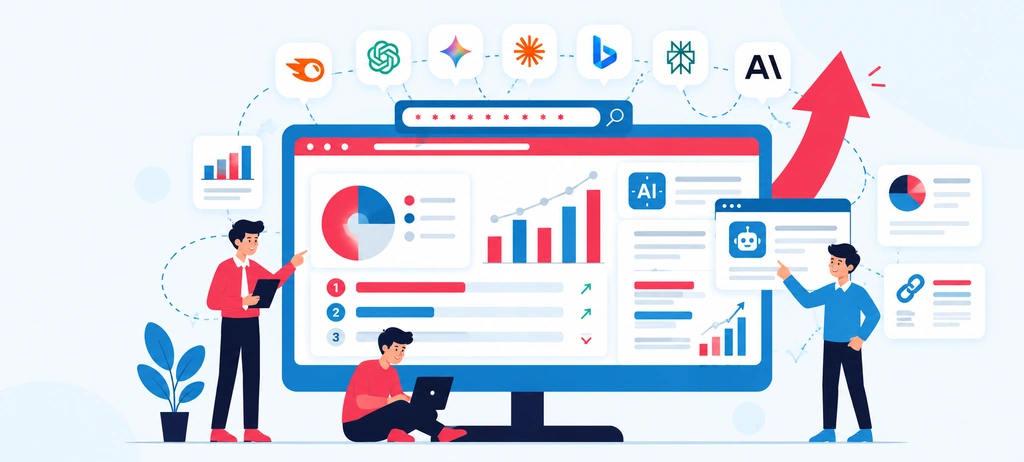
Search is changing rapidly. Users today don’t just search on Google. They ask questions on AI platforms. These include Google AI Overviews, ChatGPT, Gemini, and Perplexity. These platforms pull info from trusted sources and give direct answers. They don’t just show a list of links.
Organic rankings matter. Businesses should also make their content work for AI searches. Pages that clearly explain topics, answer common questions, and show expertise are more likely to be referenced by AI systems. They also provide original insights. Creating clear, organized content is now more important for lasting organic visibility.
Google AI Overviews and Organic Search
Google AI Overviews are changing how users interact with search results. Users can get an AI-generated summary at the top of the page. This summary combines info from trusted sources, so you don’t need to visit many websites. Websites with clear and accurate content are more likely to be included. Reliable info helps get into these summaries.
To improve your chances of appearing in AI Overviews:
- Answer questions clearly and directly.
- Use logical headings and organized content.
- Cover topics in depth instead of giving short definitions.
- Keep information updated and accurate.
- Demonstrate expertise with practical examples and trustworthy information.
These practices boost AI visibility and enhance traditional organic search performance.
Organic Search Audit Checklist
Review your website regularly using this checklist to identify opportunities for improvement.
Area
What to Check
- Content
- Is the content original, accurate, and helpful?
- Search Intent
- Does each page answer the user's question completely?
- Technical SEO
- Are pages crawlable, indexable, and mobile-friendly?
- Page Speed
- Does the website load quickly on all devices?
- Internal Links
- Are related pages connected naturally?
- Backlinks
- Is the website earning quality backlinks?
- Metadata
- Are titles and meta descriptions optimized?
- Content Updates
- Have older pages been refreshed recently?
- Performance Tracking
- Are rankings, traffic, and conversions monitored regularly?
Doing this audit every few months keeps your organic performance strong. It also helps spot issues before they hurt your rankings.
A Simple 90-Day Organic Search Plan
Organic search growth takes time, but following a structured plan makes the process easier and more effective.
Time Period
Main Focus
Month 1
Audit your website, fix technical issues, research keywords, and update important pages.
Month 2
Publish high-quality content, improve internal linking, and optimize on-page SEO.
Month 3
Build backlinks, refresh older articles, monitor performance, and continue expanding your content.
Do this cycle each quarter. Your website will get more visibility. It will rank better and attract more organic traffic.
Conclusion
Organic search is a strong way to grow your website. It links you to people already looking for information, products, or services. It offers long-term value, unlike paid ads. It attracts qualified visitors without charging you for each click.
Building strong organic search performance takes time, but the rewards are significant. Make helpful content. This boosts visibility. Improve your website's health. Know search intent. Provide value all the time. This attracts more visitors and builds trust.
Search is changing with AI. Websites that focus on quality, expertise, and user experience will do well. To achieve sustainable online growth, a long-term SEO strategy is a smart choice.
Businesses wanting to grow faster can get help from the largest seo companies in us. These professionals can create a plan to improve visibility. They also boost traffic and deliver clear results.