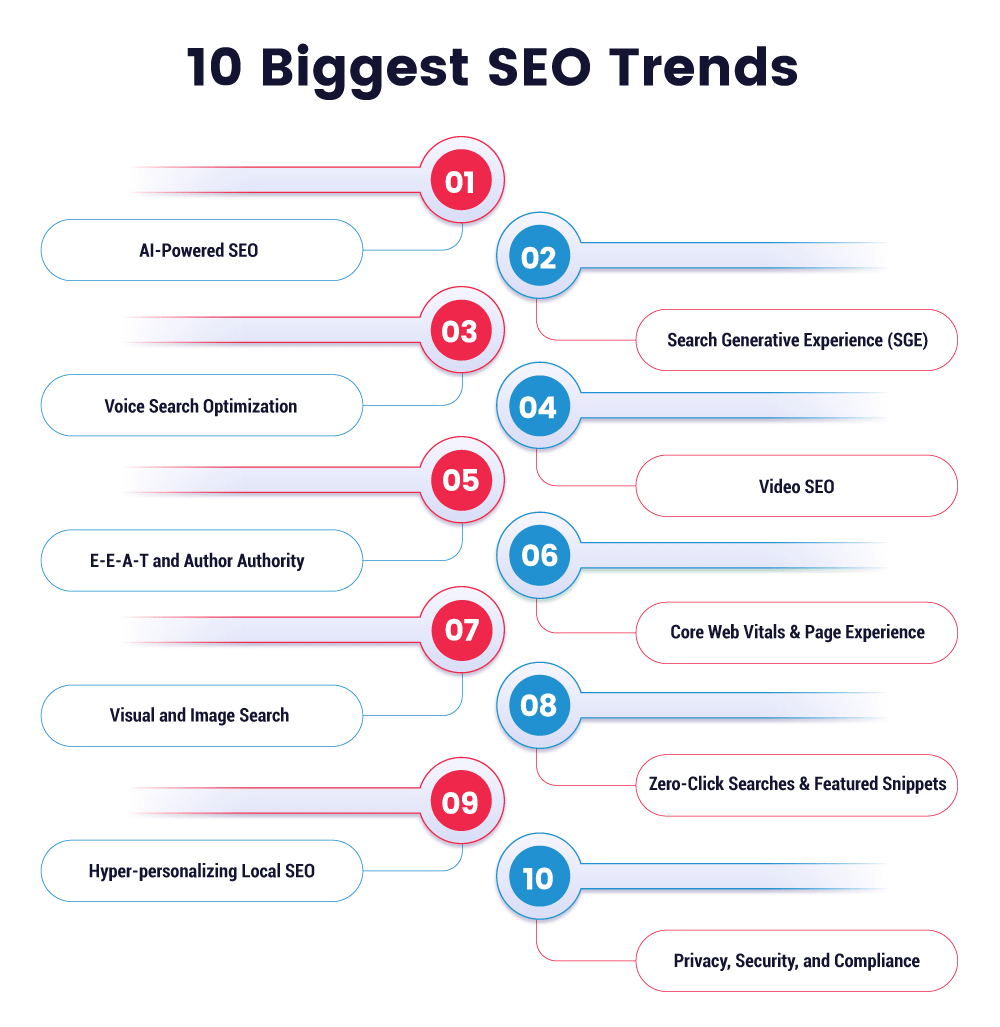
The 10 biggest SEO trends in 2026 are: (1) AI-powered content optimization using tools like ChatGPT and ContentShake AI, (2) Google AI Overviews (SGE) changing how SERPs display results, (3) Voice search optimization for conversational long-tail queries, (4) Video SEO dominance in search results, (5) E-E-A-T and author authority becoming stronger ranking signals, (6) Core Web Vitals — especially INP (replaced FID in March 2024), (7) Visual and image search via Google Lens, (8) Zero-click searches and featured snippet optimization, (9) Hyper-personalized local SEO, (10) Privacy, HTTPS, and GDPR compliance as ranking trust signals.
The trend is your friend in the world of SEO. The SEO trends keep changing, and so should we. Your SEO success relies on organic website visibility and attracting traffic organically. These trends act as key drivers of your organic growth. For instance, 75% of users never go beyond the first page. Here, we bring you the best SEO trends to follow in 2026. This blog will show the best ways to make these trends work to maximize your Search Engine Optimization performance.
List of Top 10 Biggest SEO Trends to Watch in 2026
SEO trends are rapidly transforming the way you search on Google. Here are the 10 biggest SEO trends that will dominate in 2026.
1. AI-Powered SEO and Content Optimization
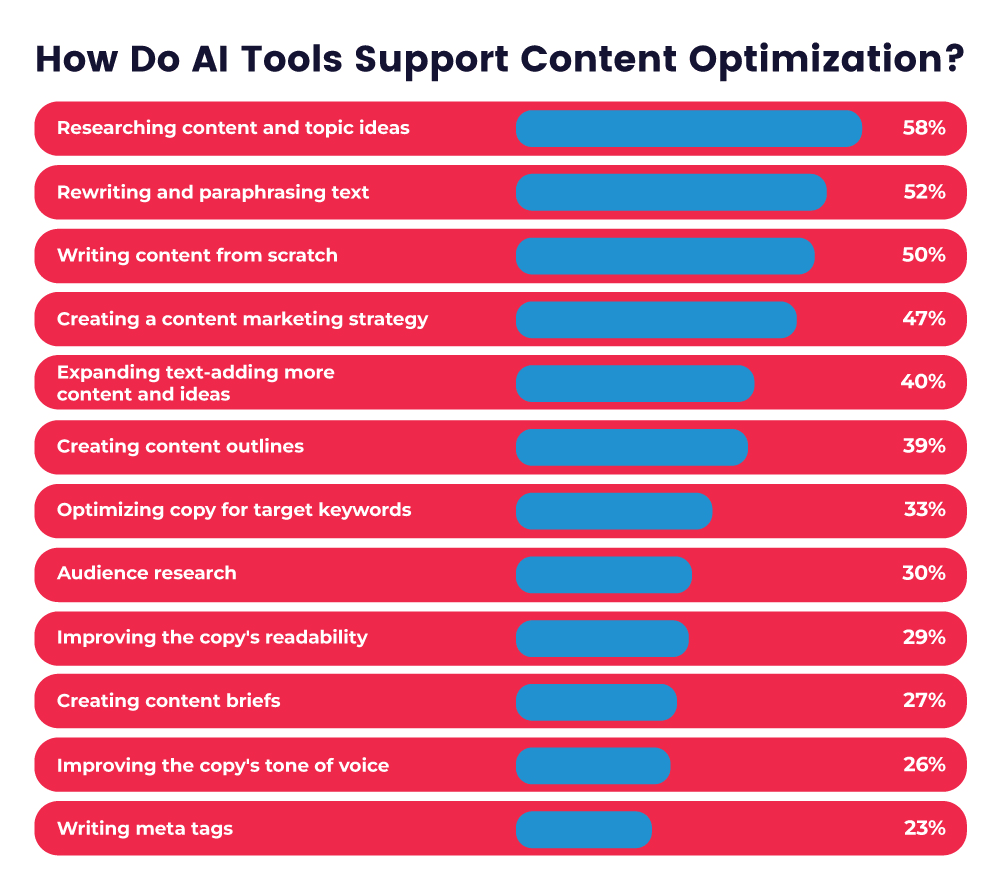
One of the top SEO trends 2026 is to leverage an AI-driven SEO strategy. With comprehensive research and optimization, AI adds a new facet to our Google search. Several AI tools now handle keyword research, content structuring, and optimization — see how AI SEO works for agencies for a practical breakdown of where AI fits in your workflow. You can now find popular SEO keywords that match search intent. This helps you target more precisely than ever before.
These seo tools help you with content structure and optimization. For example, if you are writing about budget travel tips. AI may recommend `off-season hacks` or `hidden gem destinations` sections as presented on many top-ranking pages. However, as more people use AI, the chances of creating similar content increase.
Google has extensively beefed up its experience and originality as part of the revised E-E-A-T guidelines. Even companies like Jarvis, which is an AI Content writing company, hire many human writers. They do this to keep the writing quality high. AI is not a complete replacement but an ideal support system in the long run. Mix up the speed of all AI trends with a few of your insights to stay in front of the pack in an ever-evolving world of new trends in SEO.
Read Also - AI Content Optimization How to Optimize Your Content
To stay ahead of the latest SEO trends, combine AI’s speed with your insights. That’s the real key to ranking high in 2026.
How to Make it Work?
AI tools are now part of the content process. They help with every step, from ideas and outlines to optimization and structure. Here’s how it works: Begin with the topic you want to write about. Think about how it should sound and gather the basic facts. Then, enter this information into a tool like ContentShake AI. A complete draft is prepared, including suggested headings and formatting. This draft offers a skeleton on which you can work your unique insights and add depth and perspective. This combination of AI speed and human creativity makes for better and more engaging content.
Suppose you are a travel company and want to write a travel blog on: Hidden European destinations.
Here’s a prompt you can use for ChatGPT:
“Hey GPT, please write an SEO-friendly blog of 800 words about hidden destinations in Europe.”
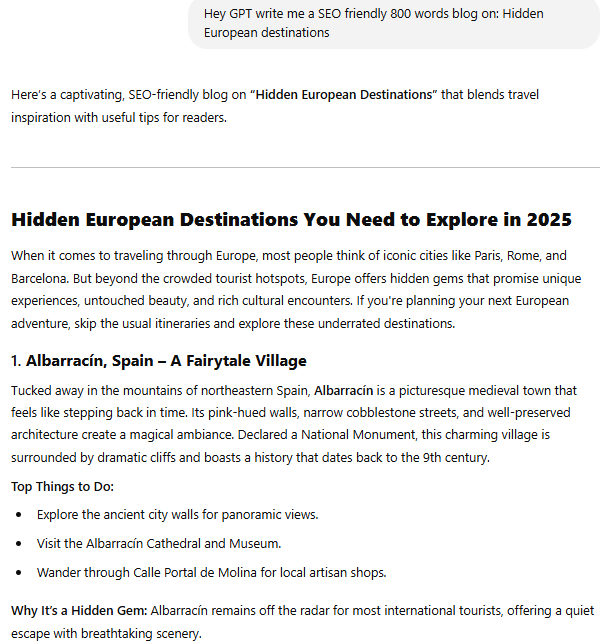
Now you can optimize this draft by adding original reviews and images.
2. Search Generative Experience (SGE) and Its Impact
Google's Search Generative Experience (SGE), popularly called AI Overviews, is among the most exciting SEO trends to date. Instead of showing many links, SGE will display an AI-generated answer directly on the SERP. This will change how people find and see content.
It minimizes click-through rate, disturbing the traffic model established for years. For marketers, this means optimising specifically for AI Overviews — our Google AI Overviews optimization guide covers the exact content structure Google's AI pulls from.. It is not just about sending reports on visibility. Instead, it involves comparing ranks and clicks.
For example, if you search for "Best vacation spots for toddlers and dog," you will get a quick AI answer. This answer may come before suggestions for places like Arches or Bryce Canyon. After that, you will see links to more detailed human-written articles.
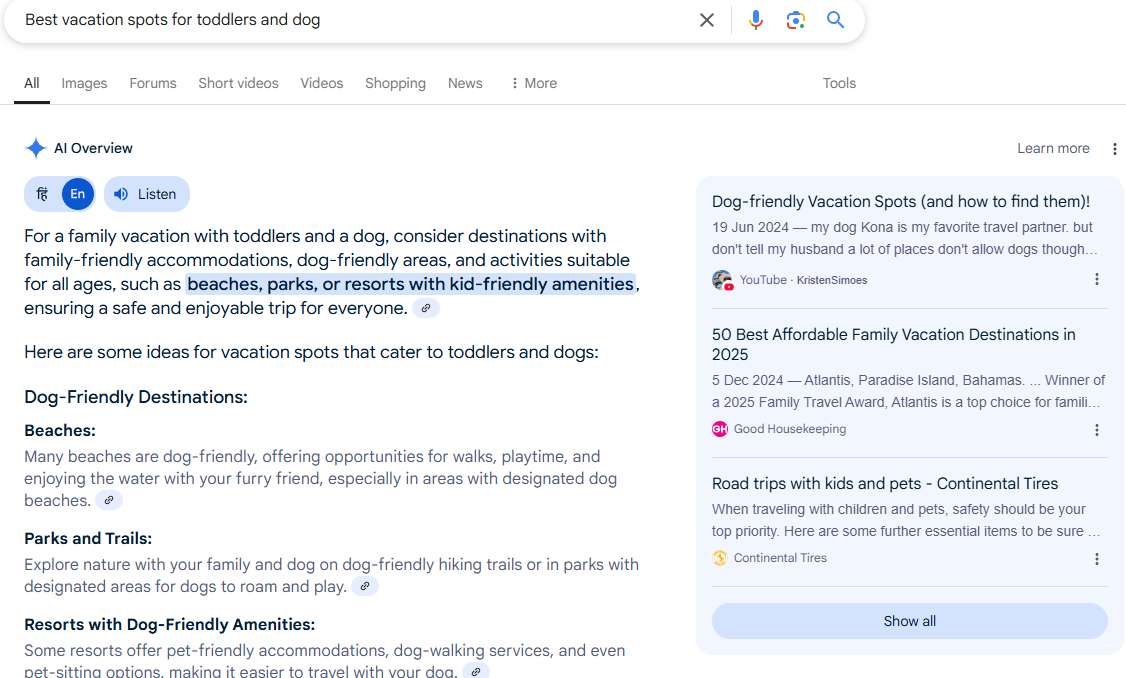
Contrary to the search result compared with an SGE-driven AI overview.
Read Also :- 8 Ways AI Is Being Used In Marketing
SGE is filtering traffic and not stealing it. People click for more reliable content. The opportunity lies in creating content for which AI will never give the fullness of experience. These days, with SGE being used, marketers must shift from using many keywords to delivering valuable content. This content should be quick, helpful, and rich in experience. It should answer not just questions but also the intent behind them.
How to Make it Work
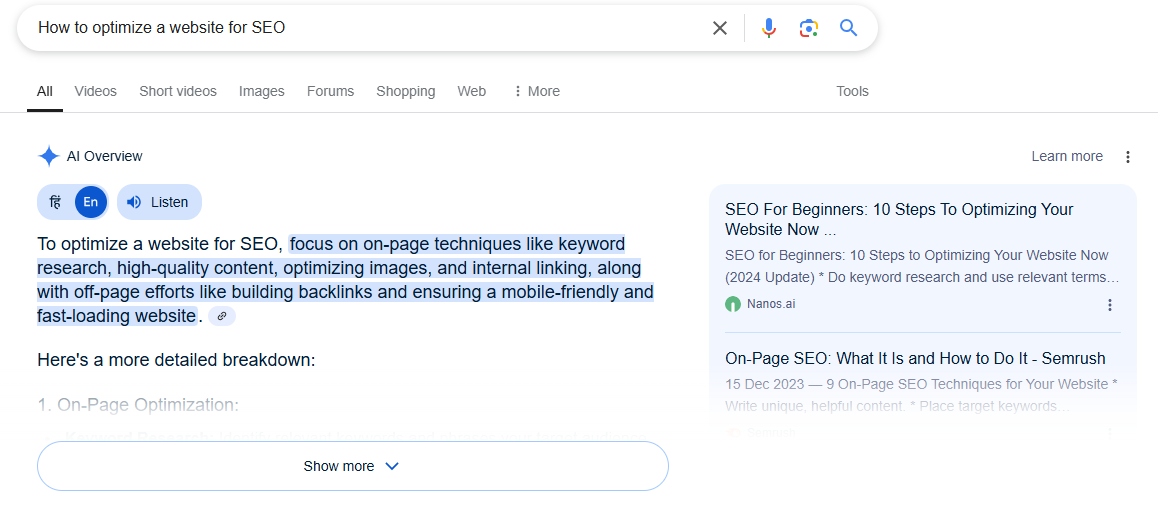
To get the best from the SGE, focus on creating content that clearly answers user questions. Make sure it is easy to read and matches what users are searching for. Use long-tail queries for search, implement structured data, and fast yet mobile-friendly options for your site. Keeping older content updated will help enhance relevance and usefulness.Michigan Technological University can make its blog better. This improvement would focus on the keyword "How to optimize a website for SEO." It could help users. This keyword matches what users search for, like feature breakdowns, pricing, and reviews. Google’s SGE would then show it in AI overview content. This would greatly increase visibility and credibility, as shown below
Read Also:- AI and SEO: The Future of Search Engine Optimization
3. Voice Search Optimization Continues to Grow
Voice search is a breakthrough in 2026 SEO trends. As voice search becomes more common, you need to understand how users speak. This will help you change your content to fit their needs.
Voice queries are longer and more conversational than typed searches. Instead of searching with a query such as Weather Jaipur, someone will say, What's the weather going to be like in Jaipur today? It demands content optimization for relevance as natural-language clear replies to inquiries.
Read Also:- Voice Search in Digital Marketing: Key Strategies & Benefits
Optimize content with long-tail keywords, structured data, mobile optimization, and FAQ-like content focusing on real user queries. Loading pages should also run fast, mobile-friendly, easy to read, and pronounceable.
It is not simply visibility. It is about appearing when users need quick choices. Voice search mostly takes place during work on driving or cooking, usually denoting immediate intent. Of all future trends in SEO, voice search is the most visible and user-engaging in its local consequence. It is not extra, but a necessity.
Read Also:- AI-Powered Voice Search The Future of Search
Use a conversational tone, clear answers to common questions, and focus on long-tail natural-sounding phrases. Local SEO is important. You should keep your business information updated. Make sure to update your Google Business profile regularly. Make sure the site is mobile-friendly and provides visibility in voice results using schema markup.
Example:
Think about making your gym website better. You could add questions like “Where is the nearest gym open now?” You can also include structured data.
Within weeks, it started appearing in voice searches, bringing in more walk-ins from nearby users asking their phones for quick fitness options.
4. Video SEO Dominates Search Results
Video content continues to be the major game changer in the SEO trends this year. More than half of mobile search pages have video thumbnails. Because of this, search engines prefer to show videos in their results. This means that including videos is important for video SEO in any strategy. Videos increase the time users spend on your site. This shows search engines that your content is valuable and fun. The longer visitors stay, the higher the chances of getting a better rank.
Another reason videos are leading current SEO trends is that they can boost click-through rates significantly. As humans, we are all naturally attracted to videos. Videos bring a new and easy way of extracting information quickly and interestingly.
To optimize video content for search, use the right keywords, descriptions, and tags. Provide transcripts and make sure the content loads quickly on all devices. It also includes internal hosting of these videos, yet embedding them on YouTube.
Read Also:- 5 Reasons Why You Need Video in Your Marketing Strategy
The trends that successfully use video will be in the lead, combined with strong SEO rules. To be in front means to involve video right into your content plan and not just as a supplement.
How to Make it Work
By using the keyword research process, the first step in video success, you can find out what your audience is really looking for. Optimize sourcing for keywords through video titles, descriptions, and tags. By doing so, ensure transcripts or captions are present for optimal indexing. Consider great thumbnails, deliver fast loading, and embed the video on an appropriate webpage. Use various platforms to promote, with a bonus of building backlinks to enhance visibility.
Read Also - Top 18 Shortcuts to Get More Views on YouTube Videos
5. E-E-A-T and Author Authority in Content
E-E-A-T is under high scrutiny again, making it included in the SEO trends in 2026. Google uses this method to check which content is reliable and trustworthy. This is important for topics that affect people's health, finance, or safety. Increasingly, content authorship is becoming of utmost importance.
To strengthen your credibility in E-E-A-T, you should feature the author of your content. Author bios should include real-world experience. Then, link to their work on different platforms, like the AWS blog below.
The more valid the author appears, the more trustworthy and credible your content looks to the end user and Google.
Need some help with content ideas? Use tools like Google Trends for SEO. They help you see what people are searching for right now. You can also find trending SEO keywords in your niche. Combine that information with first-hand experience with that topic from the mouths of experts.
In an era of AI-generated content, Google rewards real voices. The brands providing veritable expertise and original insights move up in search rather than those using content repackaging.
Read Also - SEO Content Writing Tips
How to Make it Work
Focus on accuracy, real-life knowledge, and voices of authority when it comes to backing your content with E-E-A-T. Write excellent author bios with credentials, source trustworthy references, and ensure your content remains updated. Create backlinks and organize your content around main topics. Make sure your site is simple and easy to use. You can gain trust by adding expert-reviewed badges to medical articles. This shows who wrote and reviewed each piece, like in the Healthline blog below.
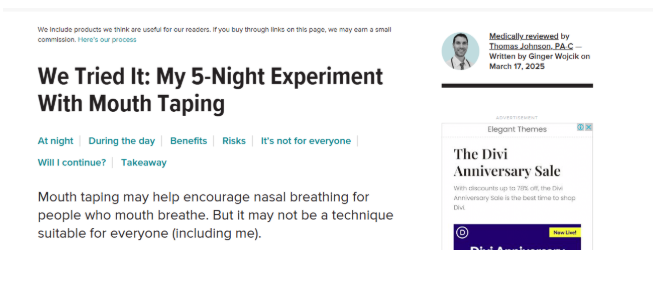
This transparency builds authority with readers—and aligns with what Google looks for in ranking quality content.
6. Focus on Core Web Vitals and Page Experience
One of the most significant 2026 SEO trends is the focus on Core Web Vitals and page experience. Google wants its users to have quick and smooth interactions with websites. It rewards sites that provide a good user experience.
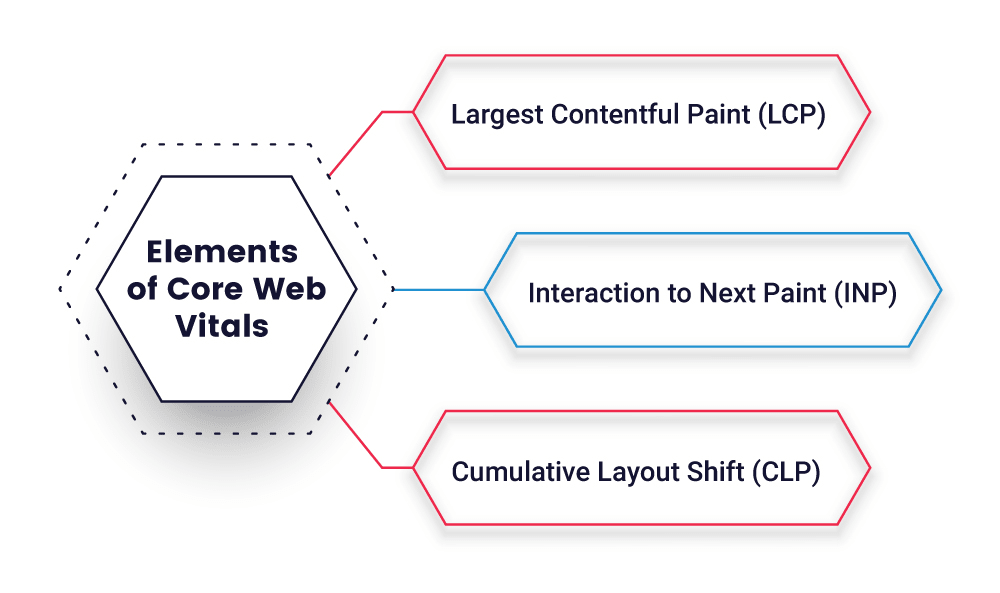
Core Web Vital includes these crucial metrics:
- LCP: This stands for Largest Contentful Paint and measures how quickly the main content loads on the page.
- INP: This stands for Interaction to Next Paint and measures how quickly the page responds to users' actions.
- CLS: This stands for Cumulative Layout Shift and measures how much the layout shifts during page loading.
Google replaced FID (First Input Delay) with INP (Interaction to Next Paint) in March 2024. INP measures responsiveness across all user interactions throughout the page session — not just the first click. A good INP score is under 200 milliseconds and is now a confirmed Core Web Vitals ranking factor. Good design and speed maximize user experience and rankings. Mobile-friendly, secure with HTTPS, and seamless navigation are all essential scoring factors in Google's page experience.
Keep abreast of the SEO trends by coupling technical audits with content planning. For a detailed fix guide, see our Core Web Vitals 2026 guide covering how to fix LCP, CLS, and INP scores step by step. This way, you can make sure those pages rank high for Core Web Vitals.
Fast, stable, and mobile-friendly pages are now essential. By 2026, these will be the minimum standard for a good experience.
How to Make it Work
Speed optimization comes first: image compression, deferring non-essential scripts, and choosing fast, secure hosting. Enhance interactivity by reducing heavy JavaScript and swift page response time. The layout won't change as the images will have defined dimensions, and elements that shift the page load will be avoided. Mobile-friendly, easily navigable, and prioritizing clean design.
An eCommerce brand made some improvements. They reduced the amount of JavaScript used. They also compressed all product images. Finally, they met all Core Web Vitals in Google Search Console. Result? Bounce rates dropped by 28%, and their rankings for competitive keywords steadily improved over 60 days.
7. Rise of Visual and Image Search
The most exciting new SEO trends this year include visual and image-searching capabilities. With AI and image recognition, users can search using a photo or by uploading an image. Fewer keywords are needed.
It doesn't matter if you want to find a product, go to a shop, or look for a recipe. Visual search has changed how people find information compared to the past. Tools like Google Lens and Pinterest Lens are becoming very popular. They help users find products online easily. A user can take a photo of a product and quickly find similar options to buy.
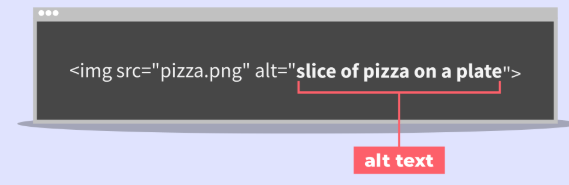
SEO is all about prompt actions. At present, it is time to act on how image optimization is a search asset. Image titles, alt texts, file sizes, and structured data become part of optimization. The images that are named the latest trends in SEO infographics are probably as good, the most pertinent, and the fastest as can be.
Today, SEO trends are moving with visual predictions. Expect to see the significant effect of visual content growing as we transition to a different flow.
- A brand should use visual search quickly.
- This helps it connect with users who scroll fast and prefer using cameras.
How to Make it Work
Accurate filenames, appropriate alt texts, and effectively structured data will optimize images for visual search. Create an image sitemap to make it discoverable by search engines and a mobile-friendly website. Descriptive content with relevant and high-quality visuals can acquire much visibility.
Suppose La’pinoz optimized product images with keyword-rich filenames and added structured data as shown below.
When users search for pizza with Google Lens, La Pinoz shows up in the results. This leads to more traffic and conversions from mobile users using visual search tools.
8. Zero-Click Searches and Featured Snippets
Zero-click searches are one of the most watched SEO trends. With these searches, users get answers directly on Google. They do not need to click any links. This happens through featured snippets, knowledge panels, or AI overviews.
Such searches would minimize website traffic; however, they would also drive huge prospects for visibility. If such people are found in these places, then your brand is front and center if users do not click. Yet, it builds trust, awareness, and authority from the search page.
To take advantage of this, create content that answers questions clearly and concisely. You can find target keywords that are likely to trigger the SERP feature. Use tools like SEMrush or Google's People Also Ask.
One good place to start? Learn how to find trending SEO keywords that align with the most common questions or topics for which users run searches. Use these terms to craft FAQ-style content or paragraphs cut out to suit featured snippets.
Headings that match search questions, like "How to fix..." or "What is...", are important. They help provide quick and useful answers. You might be curious about using popular SEO keywords in formats that are friendly for zero-click searches.
How to Make it Work
Clearly and concisely answer questions in content to take advantage of no-click searches. Use headings that match the typical question, structure the content as lists or steps, and add schema marks to help Google understand your content. Capture trendy SEO keywords that force the featured snippet tools, like Semrush or Google Trends, to show you those trending SEO keywords.
You improved your sports blog for the post “Who won the Tennis World Cup 2024.” You used a question as the heading, a bold answer paragraph, and a list of months. It will drive you to earn a feature snippet on the Google search engine as shown below.
9. Local SEO Becomes Hyper-Personalized
The hyper-personalized local SEO shift is now one of the strongest impactful SEO trends. It's not just about being found for a generalized "near me" query anymore. The local results that Google shows depend on the user's past preferences, actions, and current location.
Machine learning and AI are used here. They add more meaning to the results. For example, if you searched for plant-based recipes, they might recommend a vegan café nearby. Context also plays its role. Your search could change depending on the time of day, weather conditions, or even your latest local activities.
Local business owners should update their Google Business Profile and build consistent local citations — our local SEO citations USA guide lists the top 150 US directories to submit to. They need to ask for reviews and make content that is relevant to the local area. Local tagging and structured data can help them present the business within better contexts.
Read Also:- How To Optimize A Website For Near Me Keywords For Local SEO
How to use google trends for SEO? You can start by finding trending SEO keywords in your area. Use tools that show what people nearby are searching for in real time.
Hyper-personalization brings your audience closer than ever. You must provide the right content at the right time and place.
How to Make it Work
First, find keywords that match local searches. Use tools to discover trending SEO keywords for your area. Next, improve your Google Business Profile. Add the latest information, upload nice photos, and reply to reviews. Create local content, add schema markup, and verify that NAP is consistent across platforms. Use geo-tagging in social posts and launch location-based campaigns to better connect with users.
Here is a simpler version of the text:
"Consider a boutique in Jaipur. It used customer reviews, local blog posts, and targeted Instagram posts."
Their GBP interactions doubled, and they ranked top for “handmade gifts Jhotwara” within a month.
10. Privacy, Security, and Compliance Influence Rankings
SEO trends like privacy, security, and compliance will be shaping 2026, impacting search visibility. With increasing global regulation strictness and consumer needs, search engines will reward sites ensuring user security.
Most importantly, Google will check if the site uses HTTPS. It will also see if the site manages data carefully. Finally, it will check if the site follows laws like GDPR and CCPA. Such being-the-point could be related to trusting a site driving better ranking. Implementing compliance as a service (CaaS) solutions can help ensure these requirements are consistently met, enhancing user trust and supporting better search rankings. If your site collects personal information, make sure it has proper privacy policies. Use safe data handling practices. Also, include a cookie consent banner for legal reasons and SEO strategy.
Companies are also currently disclosing their privacy performances at the executive company level. Privacy is becoming a cross-company priority. More than 75% of the global population is expected to be under protection by privacy regulations by 2024.
While analyzing SEO performance trends, marketers must determine how well your site guarantees user data protection. Adopting tools like One Trust or Security and partnerships with cybersecurity providers ensures compliance and competitiveness.
How to Make it Work
To improve your website's ranking in 2026, secure it with HTTPS. Follow international privacy laws like GDPR and CCPA. Also, practice clear privacy and data policies.
1. Show privacy policies.
2. Use cookie consent banners.
3. Encrypt personal data.
4. Have consent management tools ready.
5.Check third-party tracking often.
Example: A fintech startup updated its privacy policy, implemented a cookie banner, and secured all user data with SSL. In two months, it showed better trust signals in Google Search Console. It climbed five positions for its main keyword because of better compliance and user experience.
Conclusion
Keeping up with the fast-changing SEO trends is not just an option. It is essential for maintaining visibility and growth over time. In 2026, we need a smarter and user-focused way to handle content and optimization. This includes AI, video, privacy, and hyper-personalization. The secret will be to balance tech-driven tactics and strategies with human insight, trust, and originality. Quickly adopt and prioritize experience to rise above the noise as Google continues refining how it ranks content. Audit your current strategy. Embrace the latest trends. Focus on creating helpful, high-quality content that serves the user. This is what will help you rank better.
Also Read This Blog
Link Wheel Strategy For SEO: Best Practices
Google Update: Multiple Schema On The Same Page