Today, we live in the digital era, where everything changes with a blink. So, it is crucial to utilize flexible SEO strategies such as local SEO, semantic SEO, and many others to optimize the content on Google.
According to research in 2024, approximately 147 zettabytes of data is published this year on Google. However, the top organic search result is only 22.4% CTR. These numbers show that every content that is on Google is not creating value for the readers or customers.
Conventional SEO strategies are insufficient to optimize the content as per the Google search and handle the competition in the market. Therefore, semantic SEO is introduced to understand the loopholes and helps rank your content on Google.
n this blog, you will develop an in-depth understanding of what is semantic SEO, its importance, differences from traditional approaches, and an 8-step guide to applying it effectively.
What is Semantic SEO?
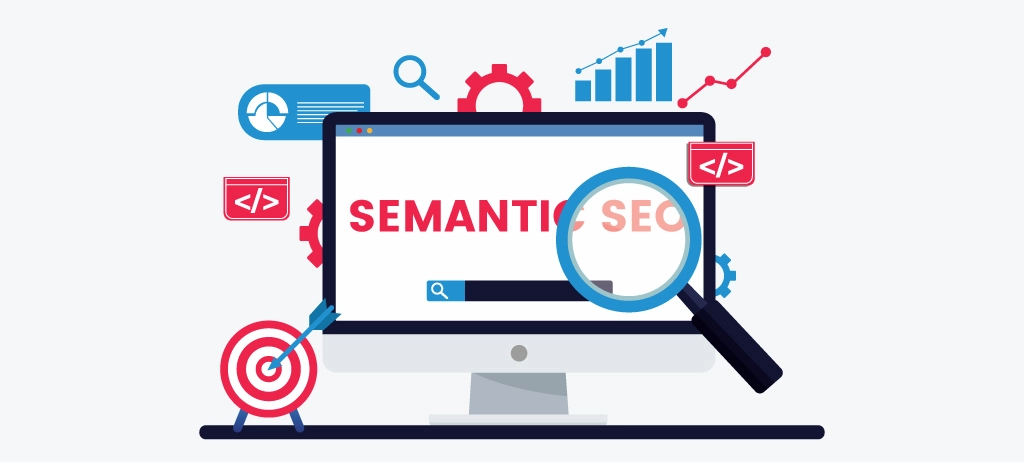
Semantic SEO is a practice or method, used to optimize content based on user intent and context. It is not only about the keyword selection but understanding the user’s intentions related to the content. Its main goal is to focus on understanding the needs of the topic and its context. Semantic SEO helps to structure the content of the topic as per the Google search engine. Let’s explore the key component of the semantic SEO:
Semantic Keyword Research
In this, you have to identify the relevant keywords, their synonyms, and related topics that have a broader perspective for the users or reader. To explore the best tools for semantic SEO, you can use platforms like Ahrefs, Semrush, and AI-powered optimization tools.
Understand the intention of the user queries while searching specific keywords on Google. It will help to acknowledge customers' needs so that you can mold your content into the user intent and provide solutions to their problems.
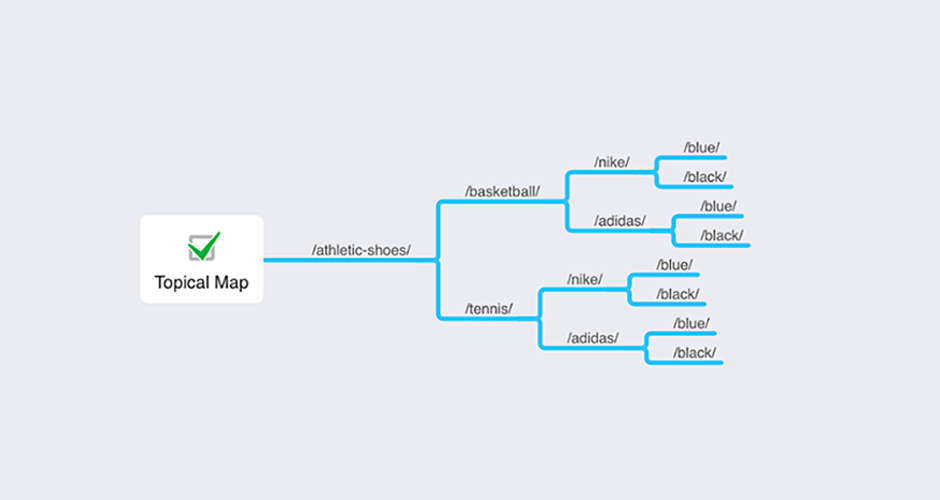
Topic maps are representations of a complete alignment of the topic and its sub-topics, including its sub-titles by using Google’s Structured Data Markup Helper tool. Content should be connected to users’ intent and create value for them.
Internal linking is a crucial step to optimize the content by understanding the requirements of users. Create a logical linking structure in your content that is valid for the user’s intent, so that users find value or solutions for their queries.
Semantic SEO is not only used to identify rich keywords but concentrate on structuring the context of the topic. This helps the search engine to connect with relevant users related to the place, keywords, people, and others.
Why is Semantic SEO Important?
Semantic SEO in 2024 is a comprehensive approach that is used to improve the structure of content and its context. Therefore, it shows fruitful results for search engines and gives the following benefits:
-
Improved Search Engine Rank
Semantic SEO helps to level up Google’s rank by optimizing the content and using keyword research tools such as Google Keyword Planner, Semrush, Ahref, and many others. It helps to identify the demand and craft your content into it.
-
Gain Online Authority as a Topic Expert
Google search engine and users recognize your complete knowledge of a particular topic which helps to gain online authority. To gain niche expertise, utilize tools or methods such as interlinking, and structure schema.
By optimizing the structure of content and its context users can easily understand the crux of the topic which satisfy the user intent. Semantic SEO in 2024 helps to attract a positive user base positive users that ultimately ranks your content on Google.
-
Enhanced Engagement and CTR
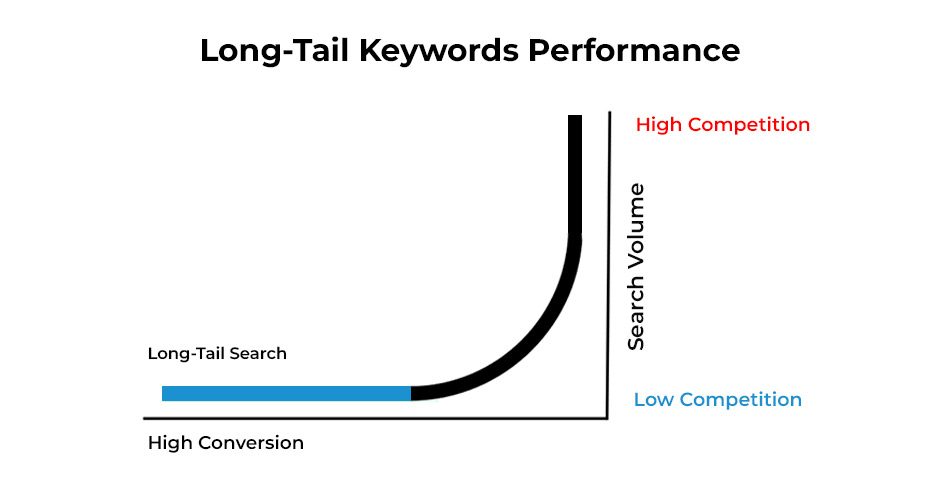
Semantic SEO strategy utilizes the power of the long tail keyword which has a higher search volume. This helps to understand the search intent so that your content can attract more users which increases CTR and engagement.
-
Increased Conversion Rate
The conversion rate will be high when content is structured for semantic search. Optimized content provides valuable information related to the search result which builds trust between the user and the content.
This shift clearly shows how semantic SEO replaced traditional keyword SEO, moving from keyword stuffing to intent and context-driven optimization.
| Aspect |
Traditional Strategy |
Semantic SEO Strategy |
| Concentrate |
Focus only on keywords |
Context and intent-oriented with keyword research |
| Strategy of Content |
Content focuses on the keyword |
Content should be informative, varied, and engaging |
| User Experience or UX |
Facing keyword stuff problem |
Comprehensive information with higher readability for users |
| Content Reach |
Low due to specific keywords |
High due to valuable context and intent
|
8 Steps Guide to Implement Semantic SEO Strategy
If you're looking for a step-by-step semantic SEO implementation, follow the structured process below to build strong topical authority.
1. Conduct Complete Research on Semantic Keywords
Semantic keyword research is a method by which you can understand the importance of the user intent. Understand the value of long-tail keywords, and queries related to the topic that will increase the scope of the content.
Keyword Research Tool
2) Optimize Content To Achieve User
In this step, you have to analyze or anticipate the demand of the user search so that you can add or improvise your content and its context as per the user intent.
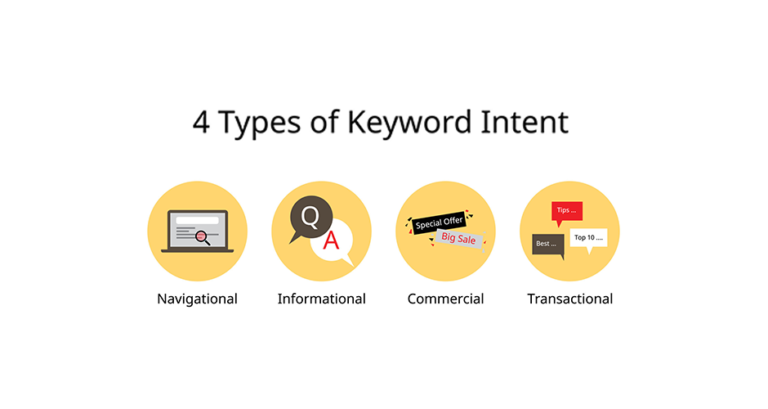
There are four types of user Intent that you understand:
-
Transactional
-
Informational
-
Navigational
-
Commercial
3) Generate Topic Maps
Topic Maps cover the whole topic and understand the opportunities, loops, or gaps by analyzing the user intent. It is a visual hierarchy of the content where context is relevant and structured for the users.
Steps to utilize the topic maps
4) Write Relevant Content
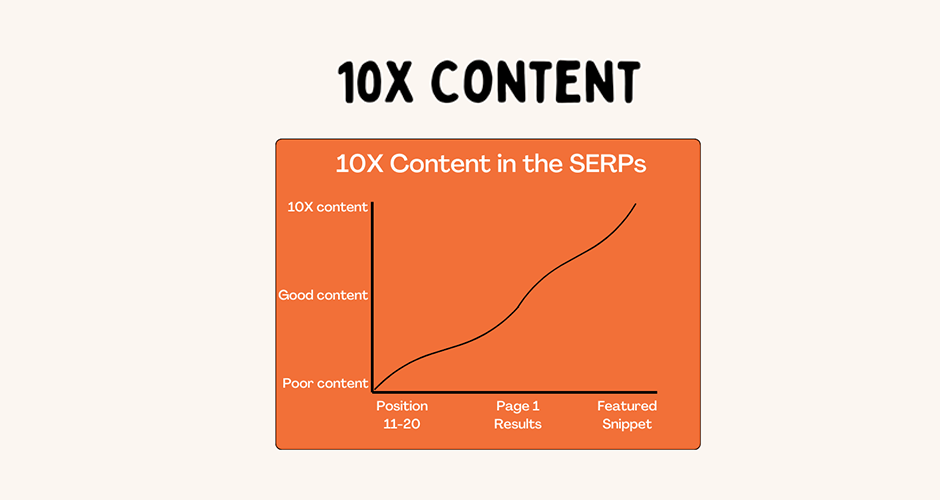
Write informational and relevant content related to user demand with the help of the right synonyms and language structure. This will help to improve Google search engine results and engagement.
A few key points to write relevant content
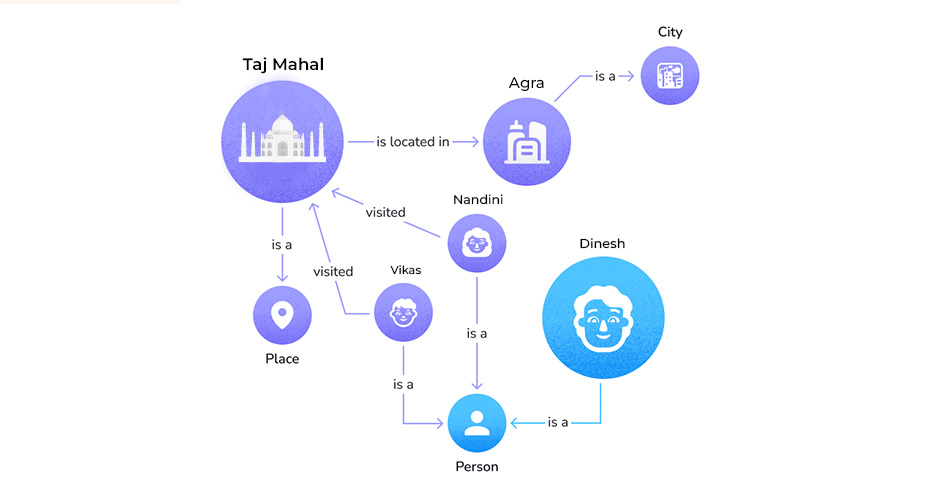
5) Understand Context and entities
Entities are people, palaces, concepts, and any relevant topic to the users. Context covers the real information about the specific niche. You have to understand the combination of both and use it for the better result.
Different entity refers to different users for example:
6) Utilize Structured Data and Schema Markup
Use structured data and schema markup to understand the search engine context and meaning of the content on the page. This helps to analyze and describe the content related to Google searches.
A few helpful schema markups:
-
Organization schema
-
Author schema
-
Person schema
NLP helps the Google search engine, understand human language interpretation so that it will easily understand the queries of the users and provide relevant information related to the search by using NLP tools for better results such as:
8) UX and Engagement
Semantic SEO strategy ensures a positive response to the user experience. It helps maintain the content’s readability and makes it visually attractive for the users, which automatically raises the UX and engagement.
The key point to improve UX:
What’s New For 2026?
1. Enhanced AI Integration
AI-driven tools like ChatGPT and Jasper are revolutionizing how content is ideated, planned, and created in 2026. These tools leverage natural language processing (NLP) to generate contextually rich and user-focused content aligned with search engine algorithms.
-
Content Ideation: AI tools can analyze trending topics, user queries, and competitors’ content to suggest high-value topics tailored to your audience. For example, Jasper can generate blog outlines based on specific keywords and target audiences.
-
Topic Mapping: Tools like ChatGPT help create comprehensive topic clusters by identifying subtopics, questions, and related content that enhance the depth and coverage of your content. This supports semantic SEO by aligning content with user intent and search context.
-
Content Optimization: AI tools can refine existing content by improving readability, keyword placement, and tone while ensuring it adheres to SEO best practices. They can even generate meta descriptions, headings, and FAQs optimized for search engines.
Incorporating these AI tools into your content strategy can save time, boost creativity, and improve content relevance, making them essential for staying competitive in 2026.
2. Entity-Based Optimization
With Google’s Knowledge Graph becoming more advanced, entity-based optimization has emerged as a key strategy in 2026 SEO. Entities refer to people, places, brands, or concepts that Google identifies and connects to provide richer and more accurate search results.
Entity optimization helps Google better understand the context and relevance of your content, improving its chances of appearing in featured snippets, knowledge panels, and rich results.
-
How to Leverage Tools:
-
Google Trends: Use this tool to identify trending entities and understand search behavior related to those topics. This can guide your content creation efforts to align with popular and emerging trends.
-
InLinks: This tool specializes in identifying entities within your content and suggesting internal linking opportunities. It helps structure your content to build topical authority and connect relevant concepts seamlessly.
-
Implementation Tips:
-
Use structured data like organization schema, person schema, or product schema to make your entities more visible to Google.
-
Include entity-specific terms naturally within your content to improve contextual relevance.
-
Monitor entity mentions and backlinks to strengthen your authority in a specific niche.
By integrating AI-driven tools and focusing on entity-based optimization, you can ensure your content remains aligned with semantic SEO principles, enhancing visibility and engagement in search results.
Final thoughts
Semantic SEO has become a core part of how Google understands and ranks content in today’s search landscape. It helps optimize both content and context, ensuring users find real value that aligns with their search intent. Regularly following a semantic SEO audit process ensures your content stays aligned with search intent, entity coverage, and Google updates.
If you want to increase your content value and online presence then W3era helps you with modern methods to improve your online presence by identifying the needs of your target customers and better results for your business.