The profile creation sites are the sites on which you form your business or personal profile and put a link to your site. However, in 2026, LinkedIn, GitHub, About.me, Crunchbase, Behance, Dribbble, Quora, Product Hunt, F6S, Wellfound, Pinterest, Canva, SoundCloud and SourceForge will be the strongest options. These profiles are useful in diversifying your backlink profile, enhancing branded search visibility, and making your entity consistent in the web. The important caveat is that “dofollow” is not permanent on every platform: Google treats nofollow, ugc, and sponsored as link qualifiers, and platforms can change link attributes at any time.
If you have been searching for a profile creation sites list 2026, this is the updated version built for how trusted off-page SEO agency actually works now. Profile links are not magic ranking shortcuts, but they still matter because they diversify your backlink profile, secure your brand identity across trusted platforms, and give Google more consistent signals about who you are online. If you landed here after reading a free profile creation sites list 2025 post, this version is more selective, more current, and better aligned with 2026 SEO.
Key Takeaways
- Profile links diversify your backlink profile with branded, entity-consistent links.
- Certain profile links can be direct, although most are mixed, nofollow, or ugc, and thus live verification is important.
- Full profiles, including logo, photo, bio, website address and social links are better than blank shells.
- Consistent brand name, description, and external references help strengthen entity recognition.
What Are Profile Creation Sites and Why Do They Help SEO?
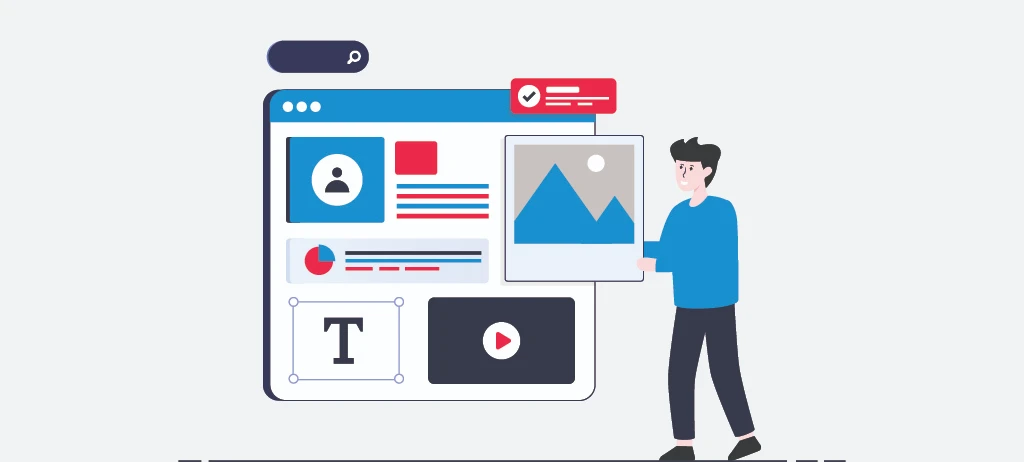
Profile creation sites are websites that let you build a public business, creator, or personal profile. That profile usually includes your brand name, short description, logo or photo, and a website URL. From an SEO standpoint, they are not a replacement for editorial backlinks, digital PR, or strong content. They work best as a foundational layer that supports trust, discovery, and brand consistency.
Google’s organization documentation and Schema.org’s sameAs property both point to the same broader idea: when your brand is referenced consistently across trusted web entities, it becomes easier for search systems to understand that those references belong to the same organization. That is why good profile creation websites can still play a useful role in a broader off-page strategy. Businesses looking to strengthen their brand authority, improve entity recognition, and increase organic visibility often work with Professional SEO Services in UK that combines technical SEO, content optimization, and strategic off-page SEO into one long-term growth strategy.
The big distinction is link qualification. Many SEOs still talk about “dofollow profile links” as if they are fixed forever, but Google explicitly documents nofollow, ugc, and sponsored as valid link attributes and says they are treated as hints. In other words, a platform that once passed a followed link may later switch to ugc, or only apply a followed link in one field but not another. That is why the healthiest backlink profile includes a mix of profile links, citations, editorial mentions, and naturally earned links.
If you want the bigger framework around authority, anchor diversity, and pacing, this section should sit beside your link building complete guide and tiered link building content, not replace them.
How to Create SEO-Optimized Profiles
Most profile submission sites are only useful if the profile looks real. A thin account with a keyword-stuffed bio, no image, no activity, and one random URL rarely adds much value. A profile becomes useful when it is complete, branded, and consistent with the rest of your digital footprint. Recent 2026 list sources also stress quality over bulk signups.
Start with the same business name, logo, short description, and primary website URL everywhere. Then customize the wording slightly for each platform. LinkedIn supports public profile URLs, GitHub supports profile bios and up to four social links, Crunchbase allows company/profile creation, Behance includes website URLs in profile sections, and SoundCloud supports bio and web-link editing. Those are the kinds of platform signals that make a profile page genuinely useful for both users and search engines.
A simple checklist for effective profile creation looks like this:
- Use the same brand name, logo, and main URL every time.
- Write a platform-specific bio instead of copying the exact same paragraph everywhere.
- Add your social media links where the platform allows them.
- Verify the account by email or platform confirmation.
- Revisit important profiles monthly to keep them fresh.
This same process also works well when you combine profile work with social bookmarking sites, online article submission sites and a curated forum submission sites list 2026 as part of a broader off-page stack.
Types of Profile Creation Sites
Profile creation sites are not all used for the same purpose. Some are designed for professional identity, while others focus on business information, portfolios, developer profiles, local businesses, communities, reviews, or industry networking.
Understanding the type of platform helps you choose profile creation sites that are relevant to your brand instead of creating the same profile everywhere.
Business Profile Creation Sites
Business profile platforms are useful for establishing a consistent company identity across trusted websites. A complete business profile may include the company name, website, description, logo, contact information, industry, location, and social links.
These profiles can support:
- Brand visibility
- Business discovery
- Entity consistency
- Referral traffic
- Foundational off-page SEO
- Consistent company information
For business profiles, use the same real company information that appears on your website and other authoritative business listings.
Professional Profile Creation Sites
Professional profile platforms are useful for individuals, consultants, founders, employees, and experts who want to establish a consistent professional identity online.
A strong professional profile should normally include:
- Real name
- Professional title
- Expertise
- Short biography
- Organization or company
- Website
- Relevant social profiles
- Professional image
Keep the profile focused on genuine expertise rather than filling the description with target keywords.
Developer and Technical Profile Sites
Developer and technical platforms are particularly useful for software companies, developers, engineers, technology professionals, and technical brands.
Examples of profile assets may include:
- Developer profiles
- Open-source profiles
- Technical portfolios
- Project pages
- Community memberships
- Software and documentation profiles
For these platforms, a real contribution history, project information, or technical portfolio can make the profile much more useful than a profile created only for a backlink.
Portfolio and Creator Profile Sites
Portfolio and creator platforms can be useful for designers, writers, photographers, developers, marketers, and other professionals who need to demonstrate their work.
Add genuine work samples, project descriptions, author information, and links to relevant resources. These profiles can strengthen both personal brand discovery and referral opportunities.
Local and Business Directory Profiles
Local and business platforms can help organizations establish a consistent business presence across the web.
Use accurate:
- Business name
- Address
- Phone number
- Website
- Business category
- Service information
- Operating details
Local profiles are most valuable when the information is consistent and the platform is relevant to the business's location or industry.
Community and Industry Profile Sites
Community platforms allow users to create profiles while participating in discussions, publishing useful contributions, answering questions, or sharing projects.
These platforms should be approached as real communities rather than simple backlink sources. A genuine account with useful activity is generally more valuable than an empty profile created only to place a URL.
How to Choose the Right Profile Creation Site
Before creating a profile, evaluate the platform using more than Domain Authority alone.
Check:
| Factor |
What to Evaluate |
| Relevance |
Does the platform match your industry, profession, or audience? |
| Authority |
Is the domain established and trusted? |
| Activity |
Are people actively using the platform? |
| Profile visibility |
Can public profiles be indexed and discovered? |
| Link behavior |
Is the website link followed, nofollow, UGC, or mixed? |
| Profile quality |
Can you create a complete and useful profile? |
| Spam level |
Is the platform dominated by automated or low-quality profiles? |
| Referral value |
Can the profile realistically generate visitors? |
| Longevity |
Is the platform active and maintained? |
A relevant platform with genuine users can be more useful than a high-DA site with little activity. The objective should be to build a credible online identity and supporting web presence, not simply to collect a large number of profile links.
How We Selected These Profile Creation Sites
The sites in this list are grouped by their primary use rather than simply ranked by Domain Authority. A profile platform is more useful when it is relevant, active, publicly accessible, and capable of supporting a genuine professional or business identity.
When evaluating profile creation sites, we consider:
- Domain authority and overall website strength
- Relevance to the profile owner or business
- Platform activity and current availability
- Public profile visibility
- Link attribute and profile-link behavior
- Spam and moderation level
- Profile completeness options
- Referral and discovery potential
- Suitability for business, professional, technical, local, or creator profiles
Authority metrics are third-party estimates and can change over time. Likewise, link attributes can change when platforms update their policies or profile templates. Always verify important profile links on the live platform before treating them as followed backlinks.
The strongest strategy is to build a smaller set of complete, relevant, and credible profiles rather than creating hundreds of thin accounts.
Profile Creation Workflow for SEO
A simple profile creation workflow helps keep profile information consistent across different platforms.
Keep the approved business name, website URL, company description, logo, social URLs, contact information, and relevant categories in one reference document.
Choose profile creation sites based on industry, audience, location, profession, and platform purpose.
Step 3: Create complete profiles
Use accurate information and complete as many relevant fields as possible.
Step 4: Add the website naturally
Use the official website URL where the platform permits it. Avoid forcing commercial keywords into profile fields or anchor text.
Step 5: Verify the public profile
Check that the profile is visible, the website URL works, and the information is correct.
Step 6: Maintain important profiles
Update major profiles when your business name, website, services, location, or professional information changes.
This process helps turn profile creation from a bulk link-building task into a structured brand and entity-management activity.
Where to Build Your Profile: A Curated 2026 List
The tables below are a practical working list for 2026. Approx DA values are third-party estimates compiled from current roundup sources, not Google metrics, and the Dofollow Status column should be treated as a verification cue, not a guarantee. “Potential” means the platform is commonly used in SEO lists for profile links; “Usually No/UGC” means the platform often qualifies user links or community links. Always inspect the live profile HTML before counting any link as a true dofollow backlink.
| Platform |
Category |
Why It's Worth a Profile |
| LinkedIn |
Business / Personal |
Primary professional identity; supports company + founder pages |
| Facebook |
Social |
Business Page anchors local/social discovery |
| Instagram |
Social |
Visual brand presence; useful for service/creative businesses |
| Pinterest |
Brand |
Drives referral traffic for visual, how-to, and product content |
| Crunchbase |
Business |
Standard reference for company/founder data; investor-facing |
| Product Hunt |
Startup |
Launch visibility + credibility for SaaS/product brands |
| Wellfound (AngelList) |
Startup |
Startup/hiring credibility, founder profile |
| GitHub |
Developer |
Essential for any technical or SaaS brand |
| GitLab |
Developer |
Alternate dev-credibility profile |
| Stack Overflow |
Tech |
Technical authority signal for engineering-led brands |
| CodePen |
Developer |
Front-end/design credibility |
| Kaggle |
Data |
Data/ML credibility for relevant brands |
| Behance |
Creative |
Portfolio for design-led businesses |
| Dribbble |
Designer |
Design portfolio and discovery |
| ArtStation |
Artist |
Relevant for creative/media brands only |
| Unsplash |
Photography |
Photography/visual brand credibility |
| Medium |
Author |
Thought-leadership distribution |
| Substack |
Writer |
Newsletter/author identity |
| Quora |
Q&A |
Expert visibility in topical Q&A |
| Reddit |
Community |
Community credibility (use carefully, real participation only) |
| Indie Hackers |
Founder |
Founder-community credibility for startups |
| Vimeo |
Video |
Higher-production video hosting/profile |
| SoundCloud |
Audio |
Audio/podcast brand presence |
| Bandcamp |
Music |
Relevant for music/audio brands only |
| Trustpilot |
Review |
Trust signal — genuine reviews only |
| BBB (bbb.org) |
Business Trust |
US business trust accreditation |
| Yelp |
Local Business |
Core local-business discovery platform |
| TripAdvisor |
Business |
Relevant for hospitality/local-service brands |
| Glassdoor |
Company |
Employer brand and company credibility |
| ZoomInfo |
Company |
B2B company data reference |
| Manta |
Business |
US small-business directory presence |
| About.me |
Personal |
Simple personal/founder landing profile |
Spending hours on off-page SEO for your business?
W3Era builds your backlink profile, manages citations, and improves your rankings, you just approve the monthly report.
Free Profile Creation Sites
Many profile creation platforms allow users to create a public profile without paying a registration fee. Free profile creation sites can be useful for building a basic online identity, promoting a legitimate business or professional profile, and supporting broader brand visibility.
However, free registration does not automatically mean that a platform provides strong SEO value.
Before using a free profile creation site, check:
- Whether the profile is publicly accessible
- Whether the profile can be indexed
- Whether the website link is permitted
- Whether the profile can contain complete business or professional information
- Whether the site is actively maintained
- Whether the platform has meaningful users and content
- Whether the profile link is follow, nofollow, UGC, or mixed
A free profile should still look like a genuine profile. Add a real name or business name, accurate information, a professional image where appropriate, a useful description, and the correct website URL.
Avoid creating large numbers of empty profiles solely to generate backlinks. A smaller group of complete and relevant profiles is usually a better foundation for off-page SEO.
How to Check Whether a Profile Link Is Dofollow
A profile creation site should not be considered a permanent dofollow backlink source simply because an SEO list describes it as dofollow. Platforms can change their templates, policies, or link attributes over time.
Before counting a profile link as a followed backlink, open the published profile and inspect the actual website link.
Check:
- Whether the website link is present on the public profile
- Whether the link is rendered as a normal hyperlink
- Whether the link contains
rel="nofollow"
- Whether the link contains
rel="ugc"
- Whether the link contains
rel="sponsored"
- Whether the profile page itself is publicly accessible and indexable
- Whether the platform has changed its profile-link behavior recently
A link can still be useful even when it is qualified with nofollow or UGC. Profile platforms can contribute to brand visibility, referral traffic, entity consistency, and content discovery in addition to traditional link signals.
Treat third-party "dofollow" lists as a starting point for research, not as a permanent guarantee.
Best Practices for Profile Link Building
How Profile Links Fit Into an Off-Page SEO Strategy
Profile links work best as a foundational part of a broader off-page SEO strategy. They can help establish consistent brand information, support entity discovery, create referral opportunities, and diversify the types of websites that reference a business or professional identity.
Profile links should complement stronger forms of authority building such as:
- Editorial backlinks
- Digital PR
- Relevant industry mentions
- Business citations
- Resource-page links
- Expert contributions
- Original research and content promotion
The objective is not to acquire as many profile links as possible. Instead, prioritize platforms where your brand or professional identity has a legitimate reason to exist.
Use consistent brand information, accurate URLs, natural descriptions, and relevant categories. Avoid keyword-stuffed bios, fake information, automated account creation, or profiles created solely to manipulate search rankings.
A good profile backlink site list is only useful if you build profiles the right way. The safest approach is systematic, branded, and realistic. Recent 2026 SEO roundups recommend starting with a smaller number of high-quality platforms, filling profiles completely, and scaling gradually rather than blasting hundreds of empty signups in a day.
- Make profiles in batches of 1015 per week, not at once.
- Use the same NAP, brand name, and web URL on all of the profiles.
- Test all accounts by email to make the page fully active and indexable.
- Review your core profiles on a monthly basis to refresh bios, portfolio pieces, screenshots, company information, or links.
- Focus on branded relevance rather than volume.
- Combine pair profile backlinks with more powerful link resources, including digital PR, resource links, citations, and content-based outreach and Free Press Release Submission Sites.
- Avoid automation, fake details, spun bios, and spam networks because Google’s spam policies and manual action guidance explicitly warn against manipulative link practices.
This is also where profile creation fits nicely beside your social bookmarking sites in USA, online article submission sites, and tiered link building content. Profiles are the base layer, not the whole building.
Want W3Era to build your foundational link profile?
We create branded profiles, citations, and off-page assets across 50+ verified high-DA platforms — done correctly, first time.
Conclusion
The best profile creation sites in 2026 are still useful, but only when you treat them as a quality-first branding and entity strategy. Build real profiles on trusted platforms, keep your business information consistent, and verify live link attributes before you count anything as dofollow. That approach gives you a cleaner backlink profile, stronger brand signals, and safer long-term off-page SEO.
Profile creation strengthens brand consistency and entity recognition, but it works best alongside technical SEO, content optimization, and strategic authority building. These activities collectively contribute to long-term organic search performance.
While profile creation strengthens brand consistency and supports off-page SEO, it delivers the best results when integrated into a broader SEO services in USA strategy focused on sustainable organic growth.