To rank higher on Google Maps in 2026, your business needs three things Google's local algorithm evaluates: (1) Proximity — how close your business is to the searcher, (2) Relevance — how well your Google Business Profile matches the search query, and (3) Prominence — how well-known your business is online based on reviews, backlinks, and citations. The fastest improvements come from: claiming and fully completing your Google Business Profile, maintaining consistent NAP (Name, Address, Phone) across all directories, actively collecting and responding to Google reviews, and publishing weekly Google Posts with CTAs.
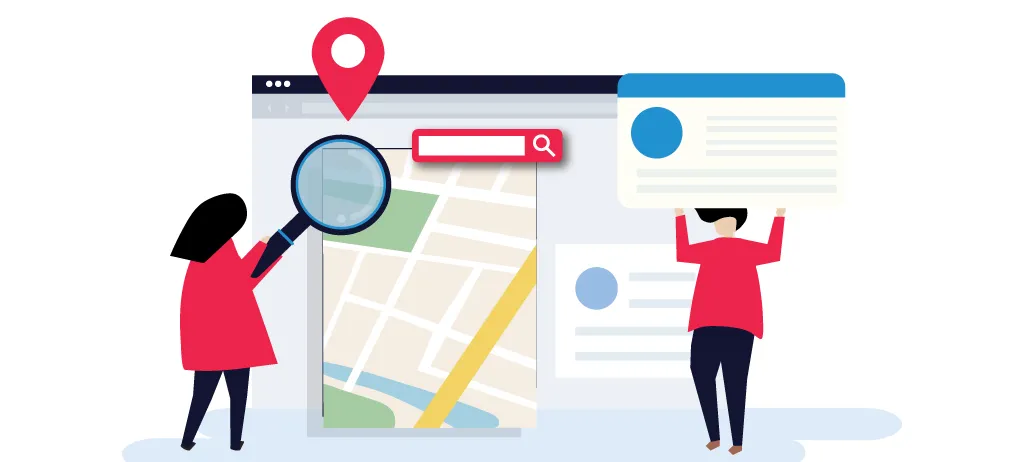
In 2026, a high Google Maps Ranking is vital to the local visibility of your business. It allows you to attract the nearest target audience to your business. What does ranking on Google Maps mean to you? As a part of your local SEO strategy, ranking on Google Maps is all about positioning your business listings at a specific location.
Why Google Maps for local visibility? SEO for Google Maps significantly dominates local search. It drives higher user engagement, online and foot traffic, a must-have for your local business to grow. For example, you must have searched for pizza near me. Your results have included the nearest pizza stores with high online visibility in your area.
How to get started? Your first step should be to have a complete GMB profile, as it is no less than getting rewarded by Google. Over 60% of users choose GMB to contact a local business. It optimizes your Google Maps ranking and helps you get more visibility in local searches. What is Google Maps SEO? How to manage your local SEO with GMB and Google Maps rankings? Let’s uncover all of these queries for you through this blog.
Key Takeaways
- Your well-optimized Google Business Profile boosts ranks on Google Maps search results and is the key driver of local customers to your business.
- Google Maps search results depend on listings, review signals, user messages, local link diversity, and correct citation data.
- Tools like Google Business Profile Insights, BrightLocal, and SEMrush enable tracking user behavior while optimizing local SEO strategies.
- Duplicate listings, suspended profiles, and inconsistent NAP details hurt rankings unless resolved quickly.
- Maintaining lasting visibility and business growth depends on continual GBP updates, regular audits, and continuous compliance with Google's current local SEO standards.
Latest Trends & 2026 Updates in Google Maps Ranking
What’s New in 2026:
- AI Overviews: Google’s new AI-synthesized summary boxes are appearing above or in place of some traditional map & local pack results. These summaries draw from GBP (Google Business Profile), user reviews, third-party sources, and require your content & signals to be very structured and up-to-date.
- Increased GBP Engagement Signals: More weight is being placed on frequent posts, Q&A, high-quality & recent reviews, response by business owners.
- Structured Data & Local Content: Use of FAQ schema, service-area pages, localized content (city/neighborhood level) is more important than generic content.
- Behavioral & Freshness Signals: Signals like clicks, direction requests, calls, new photos, recent reviews are more impactful. Consistency matters.
Why Should You Care About Ranking High on Google Maps?
Positioning your business at the top of Google Maps rankings will significantly boost your local presence. Visibility in Google Maps requires more than basic appearance since targeting the right audience at the right moment matters the most. Google Maps places you at the top to drive higher client attraction probability from nearby searches. Your establishment benefits from occupying the prime digital location where the most traffic occurs.
How does this visibility drive your business growth? Ranking high in Google Maps immediately boosts your nearby visitors. Google Maps is the first choice for most users when finding nearby places to visit, shop, or eat. 86% of customers search Google Maps before visiting a business.
But it doesn't stop here. Higher rankings increase website visits, user interactions, and navigation requests, boosting conversion rates. 84% of users choose Google Map discovery searches over business names to find them. Your business rises to the top when displaying higher rankings because it improves your chances of being discovered.
Higher rankings eventually build more trust and authority among customers. When listings contain accurate information and positive reviews, businesses gain credibility and trust from target consumers. In local SEO, more trust generates more clicks and drives higher conversions.
Real-world impact varies by industry. For example, businesses in property markets can benefit from a real estate local SEO guide to optimize listings for searches like “homes for sale near me” or “property dealer in [city],” helping them attract high-intent local buyers through Google Maps.
What Is the Google Map Pack?
The Google Map Pack, commonly known as the Local Pack and 3-Pack, shows three selected local businesses that match your search criteria within a special section of Google search results. You can identify the Map Pack as that small mapped box showing business names, ratings, and addresses at the beginning of your search results. Through the Local Pack, Google enables users to locate nearby options without examining complete websites.
Organic search emphasizes website content and search engine optimization to rank in search listings, but the local pack results operate based on on user's location. The web shows organic listings, including service pages, informational content, and blog posts. Google Business Profiles structure the Local Pack results by presenting relevant business information that includes review details, operational hours, and navigation instructions. This tool exists to support user actions instead of passive browsing.
A spot within the Map Pack section positions your business as the top story in your town's most popular newspaper edition. Your business receives premium market exposure, increasing click-through rates while leading to walk-in traffic and enhancing customer trust. It enables user searches to convert directly into customers through strategic visibility.
What determines your Google Maps ranking?
Business listings appear first on Google Maps when they demonstrate three local pack ranking factors: proximity, relevance, and prominence.
-
Proximity: Proximity indicates the distance of your business location from the user searching for you. The user’s current location allows Google to provide the closest and most suitable outcomes, especially when someone is performing near me searches.
-
Relevance: Relevance is about how you match your business with the search terms. The optimization of your Google Business Profile determines your business ranking, together with its keyword optimization level. Your ranking probability increases when you precisely list all your services.
-
Prominence: Prominence is when your business emerges in Google rankings based on online popularity. Credible business success relies on online positive feedback ratings, website link signals, and mentions from different sources across the internet.
-
Engagement: Google Maps algorithm for local search significantly relies on signals based on user engagement levels and reputation evaluation results. Your business demonstrates reliability and keeps an active status by including high-quality images, regular profile maintenance, and getting clicks with direction requests. Reviews are critical when they contain relevant keywords.
A strong business reputation increases user engagement with your local listing, boosting your Google rankings. Local search optimization of these three crucial elements produces real business customers from online inquiries.
Google Maps SEO: How to Rank Higher on Google Maps
Use this plan to ship the highest‑impact tasks first. Then use the Advanced tips below to widen your footprint.
Need execution help? See Google Maps SEO • GBP Management • Local SEO • SEO Audit • Link Building
Days 1–3 — Foundations (Set up, claim, verify, align)
-
Create/claim & verify GBP (Google Business Profile): add/claim the listing, choose a verification method (postcard/phone/email), and complete verification.
-
Core data complete & consistent: business name, categories (primary + additional), address/service area, phone, website, hours (incl. holiday hours).
-
NAP consistency everywhere: make your Name‑Address‑Phone match across website, social, and top directories before you scale activity.
-
Services/products & description: list key services/products; write a clear, keyword‑relevant (not stuffed) description; add attributes (payment, accessibility, amenities).
-
Messaging on (optional): enable messaging and set a friendly greeting + response window.
Days 4–10 — Profile depth (Engagement assets live)
-
Photos & videos: upload high‑quality, recent images (logo, exterior, interior, team, work). Skip EXIF/geo‑tagging—focus on quality and recency.
-
Google Posts cadence: publish 2–3 posts (updates/offers/events) with clear CTAs; keep a weekly rhythm.
-
Q&A: seed real FAQs and answer publicly; monitor notifications and correct misinformation.
-
Right landing page + UTM: link GBP to a relevant location/service page; add UTM parameters to track calls/directions/website clicks.
Days 11–20 — Proof & trust (Reviews, citations, local links)
-
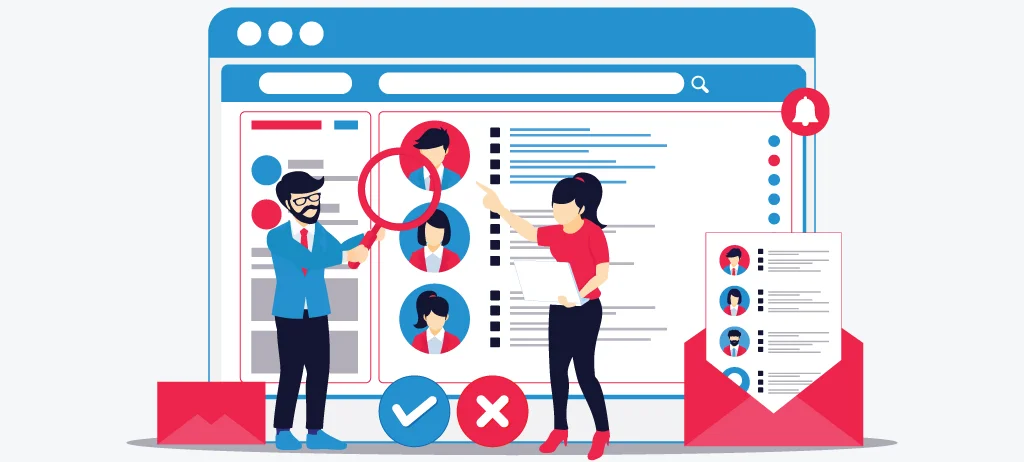
Reviews program: request reviews after positive moments; respond to all reviews (polite, specific, no incentives or gating).
-
Citations & directories: submit/update key listings — use our local SEO citations USA guide for the complete list of high-DA US citation sites
-
Local backlinks: join chambers/associations, sponsor local events, offer expert quotes/guest content to relevant local publishers.
Related Blog: Proven Strategies to Get More Google Reviews for Every Business
Days 21–30 — Expansion & measurement (Sustain & scale)
-
Posts/photos cadence: keep weekly posts and fresh photos; test what drives actions in GBP Insights.
-
Website localisation: add/strengthen city/area pages, local business schema, fast/mobile‑friendly UX, and clear internal links.
-
Monitor & improve: check GBP Performance (searches, calls, directions, clicks); iterate content and posting based on what users engage with.
-
SAB reality check: service‑area settings don’t expand ranking radius; win nearby first with reviews, citations, and authoritative local pages.
Want a prioritized 90‑day roadmap?
Connect with our team today to start your detailed audit and unlock your website’s full potential!
Advanced tips (full checklist)
Listing management
-
Keep hours (incl. holidays) accurate; update services, menus, and attributes as they change.
-
Use categories carefully: one accurate primary, a few relevant additionals; avoid category bloat.
-
Watch for suggested edits / spam edits and correct quickly; remove duplicates via support.
-
Multi‑location brands: separate profiles, location‑level content, and location‑level reporting.
Related Blog: Claim & Verify Your Google Business Profile
Reviews & reputation
-
Share a short review link/QR after service; never incentivize or script keywords.
-
Respond with empathy and specifics (especially to negative reviews); show a path to resolution.
-
Surface common praise/themes into website copy and GBP FAQs.
Google Posts & Q&A
-
Mix offers, events, and updates; always include a CTA and UTM‑tagged link.
-
Pin the best Q&A; keep answers factual and non‑promotional.
Website & UX (supports Prominence and conversions)
-
Location/service pages: unique local content (landmarks, directions, parking, local proof).
-
Schema: LocalBusiness schema with name, address, phone, hours (matching GBP).
-
Performance: compress images, improve Core Web Vitals, ensure mobile responsiveness.
-
Map embed: Embed your Google Map on the Contact Us page to strengthen local relevance signals and improve user trust.
Citations & local link earning
-
Prioritise top general directories — see our complete list of free business listing sites USA — and relevant industry/geo sites
-
Local PR: sponsor events/charities, collaborate with nearby businesses, issue newsworthy press to local media.
-
Reclaim unlinked mentions (ask for a link where you’re cited).
Monitoring, tools & troubleshooting
-
GBP Performance: track calls, directions, website clicks; review top queries.
-
Analyze Google Maps SERPs and target long-tail local keywords to capture highly intent-driven searches.
-
Use tools like W3era SEO Toolkit, BrightLocal, Moz Local, SEMrush/Ahrefs for listings, rank checks and link/opportunity analysis.
-
If visibility dips: check for suspensions/edits/duplicates; review recent changes; ensure NAP consistency.
-
Use Search Console to keep the site healthy (indexing, errors)—it doesn’t govern Maps directly but supports overall Prominence.
Avoid
-
Keyword‑stuffed business names, fake reviews, P.O. boxes/virtual offices, bulk/automated link schemes.
-
Relying on EXIF geo‑tagging of images for rankings (focus on quality and relevance instead).
-
Assuming service‑area settings will make you rank city‑wide.
Related Blogs:
Adapting to AI Overviews & Zero-Click Local Search
Many users searching with service + location or common question formats are no longer clicking through because AI Overviews satisfy their intent. To compensate:
-
Use FAQ elements on the page and on the GBP, with schema markup — follow our Google AI Overviews optimization guide to structure content that Google's AI extracts
-
Ensure your content and GBP description are clear, concise answers to likely questions.
-
Monitor which queries (from Google Search Console) have high impressions but low CTR, then add content or headings that address them directly.
-
Build content for transactional/service intent, not only informational. For example, sections like “Hire a Google Maps Ranking Service vs DIY,” “What to ask when hiring Maps SEO service,” etc.
Conclusion
Getting Google Maps to rank high is not a one-time task but a continuous engagement. Remember, Google Maps ranking relies on three main aspects: an optimized Google Business Profile, local engagement, and consistency of effort. With everything set up in GBP, post once a week, request reviews frequently, embed maps, and monitor your performance. It builds a stronghold of local authority that brings about tangible results.
Ready to dominate local search? Let W3era fine-tune your Google Maps strategy and drive real results. Talk to our SEO experts today!