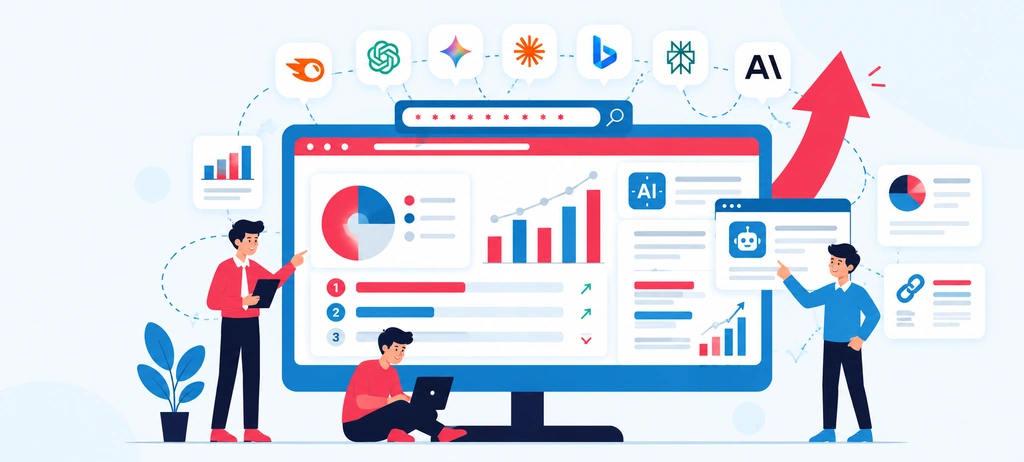
SEO has changed a lot over the years, and 2026 is no different. With search engines becoming smarter and user expectations evolving, businesses need to shift their focus from traditional ranking tactics to delivering real value and optimizing for user experience.
Search is no longer just about keywords, it’s about understanding intent, providing relevant answers, and ensuring a seamless experience across all devices. Google’s AI-powered search models and zero-click results have transformed the way people find information, making it even more important for businesses to stay ahead.
This guide will walk you through what’s changed, what still matters, and how to approach SEO in 2026 so that your business remains visible and competitive.
1. SEO in 2026: What’s Different?
Search engines are no longer just matching keywords, they’re understanding queries, predicting user needs, and prioritizing expertise. If a website doesn’t offer clear, helpful, and authoritative content, it won’t rank as well.
A few key changes shaping SEO this year:
-
Search Generative Experience (SGE): Google now provides AI-generated summaries in search results, meaning fewer people click through to websites.
-
E-E-A-T (Experience, Expertise, Authoritativeness, and Trustworthiness): Google ranks content higher when it comes from credible sources with firsthand knowledge.
-
Core Web Vitals & User Experience: Fast, mobile-friendly websites are no longer optional—they’re essential for ranking.
-
Multimedia Optimization: Video and interactive content are more visible in search results, meaning text alone is no longer enough.
The bottom line? SEO is now about context, credibility, and user experience—not just keywords.
2. The Three Pillars of SEO Success
SEO is built on three essential components. Each plays a role in helping your website rank higher and stay competitive.
A. Content That Solves Real Problems
Users don’t just want information; they want clear, practical answers to their questions. Instead of writing generic content stuffed with keywords, focus on content based on expertise and originality.
What works in 2026:
-
Answer questions directly: Structure content around user intent, what do they want to know?
-
Format for featured snippets: Use bullet points, lists, and short paragraphs so your content appears in Google’s quick answers.
-
Go beyond text: Video, infographics, and interactive content improve engagement and visibility.
Example: Instead of just listing “10 Best CRM Tools,” include expert insights, real-world examples, and comparison tables.
B. A Technically Strong Website
No matter how great your content is, it won’t rank if your website isn’t technically sound.
Key areas to focus on:
-
Fast Loading Speeds: Slow pages lose both visitors and rankings. Aim for a load time under 2.5 seconds.
-
Mobile Optimization: Over 60% of searches happen on mobile—your site must be responsive.
-
Structured Data (Schema Markup): Helps Google understand and display your content effectively in search results.
C. Building Trust & Authority
Google ranks websites that demonstrate credibility. This doesn’t just mean backlinks—it’s about real-world recognition.
How to build authority:
-
Earn quality backlinks from trusted sources rather than chasing large numbers of low-quality links.
-
Get mentioned in reputable industry publications, brand mentions can help even without a direct link.
-
To encourage user engagement, Google values real interactions, including comments, social shares, and discussions around your content.
Example: If a business blog is featured in an industry magazine, that’s a strong trust signal to search engines.
3. SEO Trends to Watch in 2026
SEO is always evolving, and staying ahead means knowing where things are headed.
A. AI is Changing How Search Works
With AI-powered search engines, Google understands search queries better than ever before. This means businesses should:
-
Write in a natural, conversational tone, Google prefers content that sounds like a human wrote it.
-
Answer follow-up questions within the content, anticipating what users might ask next.
B. The Shift to Zero-Click Searches
More searches are now answered directly in Google’s results, so businesses need to adapt by optimizing for featured snippets and direct answers.
-
Use FAQ-style formatting and structure content for quick, digestible takeaways.
-
Ensure content encourages users to visit your site for more details beyond the initial search.
Search results are now prioritizing video more than ever before. If your content strategy doesn’t include video, you’re missing out.
Example: If you write a guide on “Best Digital Marketing Strategies,” include a short explainer video summarizing key points.
4. SEO Checklist for 2026
A well-structured SEO approach requires regular updates and a focus on both content and technical aspects. Use this SEO checklist to ensure your website stays optimized.
☑ Focus on search intent and answer user questions.
☑ Use schema markup to improve visibility in search features.
☑ Optimize for voice search and natural language queries.
☑ Improve Core Web Vitals (page speed, interactivity, and stability).
☑ Ensure mobile-first design for a seamless experience.
☑ Keep URL structure clean and logical to improve crawlability.
Off-Page & Authority Building:
☑ Earn backlinks from authoritative sources rather than low-value directories.
☑ Publish thought leadership content and case studies to build credibility.
☑ Engage in relevant online discussions and social proof building.
SEO is not a one-time effort, it requires ongoing adaptation to search trends and algorithm updates.
Final Thoughts
SEO is no longer about chasing algorithm updates, it’s about aligning with how people search and interact with content. The best strategies focus on:
-
Solving real problems with high-quality, authoritative content.
-
Optimizing for AI-driven search, voice queries, and featured snippets.
-
Ensuring websites are technically sound, fast, and user-friendly.
-
Building long-term credibility through digital PR and trusted backlinks.
With the search landscape evolving faster than ever, businesses that focus on value, relevance, and trust will stand out. SEO is a long-term investment, and success comes from continuous adaptation and refinement.
This guide outlines what’s working in 2026, now, it’s time to apply these strategies and make SEO work for you.