Introduction
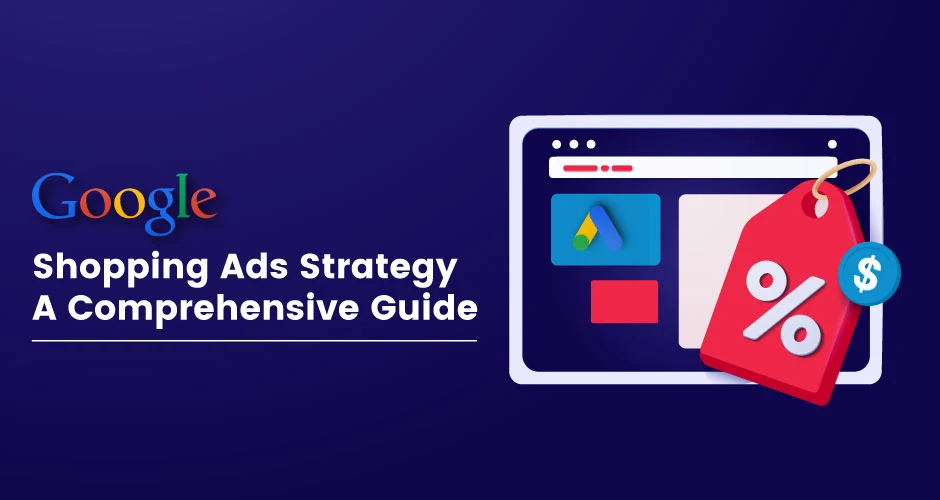
Google Shopping Ads continue to be one of the most powerful channels for e-commerce growth in 2025. With over 30% of shoppers beginning their journey on this platform, the opportunity to influence buying decisions has never been stronger. In this guide, we'll walk you through everything—from setup to optimization—so your campaigns can stand out and convert.
Key Takeaways
- Focus on high‑intent, long‑tail keywords and product feed excellence.
- Structure campaigns strategically using SPAGs and negative keywords.
- Feed quality, relevance, and user experience are ranking essentials.
- AI shopping trends signal a shift toward automation and conversational targeting.
Unlike traditional text ads, Shopping Ads are dynamically generated using product data: images, pricing, and attributes. They appear both in Google’s main search results and its dedicated Shopping tab, offering a visual-first experience.
- Highly qualified leads: Users see prices and images before clicking, filtering out low-intent clicks.
- Dual visibility: Potential to appear in Shopping results, text ads, and organically dominate SERPs.
- Rich analytics: Detailed metrics to inform bidding and optimization.
40–50% higher conversion rates than standard ads due to purchase-intent positioning.
-
Create and verify your Google Merchant Center account.
-
Build a comprehensive product feed (include required attributes: ID, title, description, image, price, availability).
-
Link Merchant Center to Google Ads.
-
Create your first Shopping campaign in Google Ads, selecting your sales goal, bid strategy, and aligning campaign settings like location and budget.
-
Choose the right campaign type: Standard vs Performance Max—each has unique advantages.
-
Campaign priorities: Separate high-performing products (high priority), branded ones (medium), and broader assortments (low). This allows precise budget control.
-
Product groups & bids: Segment by category, brand, or other attributes to assign bids more accurately.
Feed Optimization & Keyword Alignment
-
Feed quality matters: Titles, descriptions, and images must be optimized to reflect user intent and include relevant keywords.
-
Infuse high-intent keywords: Use data from the Search Terms Report and tools like Ahrefs to align your product data with what users are searching for.
Key Factors & Best Practices for Ranking
-
Ranking factors:
-
Bid amount, feed relevance, landing page experience, product & merchant ratings, historical performance.
-
Best practices:
-
Use high-quality, compliant images.
-
Keep pricing competitive—not too low to avoid perception of poor quality.
-
Make titles detailed yet readable (75–100 characters with brand, keywords).
-
Ensure mobile optimization and fast loading speeds for higher conversions.
Advanced Strategies for 2025
-
Leverage AI tools: Use Google’s AI-powered features like “Ads Power Pair” for Search + Performance Max setups.
-
Feed automation: Implement dynamic rules to keep your feed current and optimized.
-
Use promotions and rich attributes: Add special offers or enhanced data to boost ad appeal.
Conclusion
Creating a high-performing Google Shopping strategy means mastering feed optimization, campaign structure, and ongoing refinement—all while staying attuned to AI evolution in retail search. Your guide should aim to inform, empower, and prepare advertisers for the future.
People Also Read: