What “Florida SEO Strategy” Actually Means
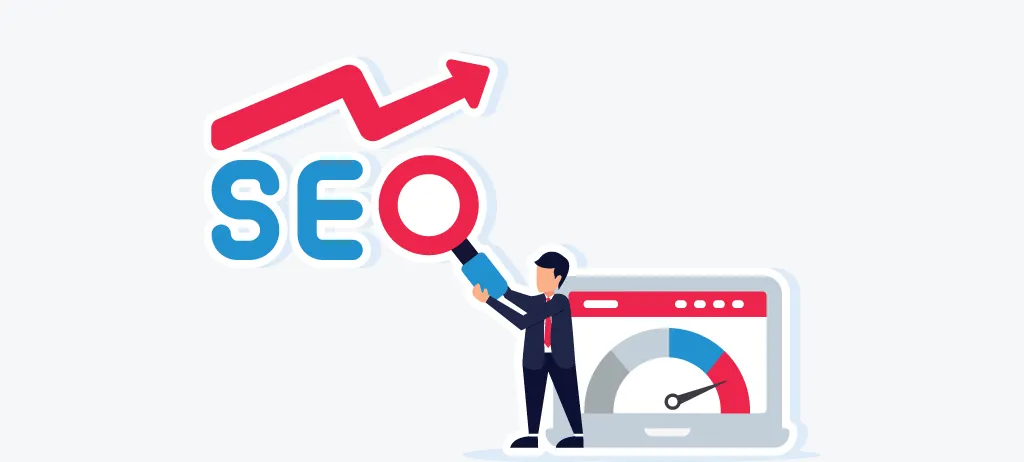
A Florida SEO strategy is a sustainable plan to win organic visibility across the state’s metro‑dense, seasonal markets and tourist‑driven search patterns. It blends local SEO, technical optimization, content tailored to Florida intent, and authority building (reviews, citations, local links). Unlike one‑off “SEO marketing Florida” tactics, a sustainable SEO strategy Florida focuses on compounding gains: stronger topical authority, better user experience, and durable rankings that withstand algorithm changes.
Core components:
- Local visibility: Google Business Profile (GBP), NAP consistency, localized content by city/metro, service area pages.
- On‑site excellence: Search‑intent aligned content, internal linking, schema, index hygiene, Core Web Vitals.
- Reputation & trust: Reviews strategy, local PR, Chamber/association links, partnerships and events.
- Measurement: GSC/GBP insights, call tracking, CRM‑tied conversions, cohort reporting.
Key Takeaways
- Quick fixes risk penalties; play the long game in Florida.
- Relevance, distance, prominence drive local rankings.
- Expect weeks to months for changes; 3–6 months for traction.
- INP (not FID) now matters for responsiveness.
- Optimize for AI Overviews with structured, answer‑first content.
How Google Ranks Local Businesses (and Why That Matters in Florida)
Google states local results rely on relevance, distance, and prominence—together they determine whether your business appears in the map pack and local results. Optimize your profile completeness, proximity signals, and overall reputation to improve local ranking potential.
Florida‑specific moves
- Target geo‑modified keywords (e.g., “emergency AC repair Miami Beach”) and service‑in‑city pages.
- Build prominence: consistent reviews from real Florida customers; local news/PR; sponsorships (Little League, festivals).
- Cover seasonality: hurricane prep checklists, snowbird service schedules, event calendars (e.g., Art Basel, Gasparilla).
SEO Results Timeline in Florida: What’s Realistic?
Google’s own guidance: changes can take weeks to months to reflect, and you’ll generally want to wait a few weeks before judging impact; larger initiatives take longer. Industry data often shows initial movement within 3–6 months and more substantial gains by 6–12 months, depending on competition and site history.
A practical 12‑month arc (typical small business):
- 0–60 days: Fix crawl/index issues, speed, internal links; publish core service pages; optimize GBP; begin reviews program.
- 60–120 days: Launch local content clusters; earn first relevant local links; tighten conversion tracking.
- 120–180 days: Map‑pack appearances stabilize; non‑brand clicks grow; early lead lift.
- 6–12 months: Rankings broaden across city pages and long‑tail; cost‑per‑lead drops; compounding returns.
Avoid any “SEO results timeline Florida” promise that guarantees page‑one in 30 days—those shortcuts risk penalties and wasted budget.
Essential SEO Services in Florida for Small Business
To compete sustainably, prioritize:
1) Local SEO Fundamentals
- Google Business Profile: Complete every field; add categories, services, products, photos; post weekly.
- Citations: Consistent NAP on top directories + Florida associations.
- Reviews engine: Request process + response SOP (positive and negative).
- Location pages: Unique pages for each target metro with FAQs and landmarks.
2) Technical SEO
- Crawl budget hygiene, XML sitemaps, canonicalization, index bloat control.
- Core Web Vitals with attention to INP (responsiveness) replacing FID as a Core Web Vital in March 2024.
3) Content & Authority
- Hyperlocal content: neighborhood guides, seasonal checklists, event tie‑ins.
- EEAT signals: author bios, credentials, local media mentions, testimonials.
- Topical clusters around your core services + Florida‑specific needs.
4) Analytics & Revenue Tie‑In
Lead source attribution (call tracking), CRM integration, map‑pack vs. organic split, pipeline reporting.
The Cost of “Quick Fixes” in 2026 (and Why to Avoid Them)
Google’s March 2024 core update strengthened spam policies against scaled content abuse, expired domain abuse, and site reputation abuse (a.k.a. “parasite SEO”). In Nov 2024, Google clarified that any involvement in site‑reputation abuse can violate policy. Shortcuts that chase loopholes can trigger manual actions and long‑term visibility loss—the opposite of Florida business growth with SEO.
Red flags: guaranteed instant rankings, rented pages on unrelated high‑authority sites, mass AI pages without oversight, unnatural link schemes, doorway pages.
2026 Trends: Building an AI‑Overview‑Ready (and Update‑Resistant) Site
- AI Overviews are live in the U.S. and expanding globally; Google provides guidance for site owners on how AI features surface content. Focus on helpful, well‑structured answers with clear sourcing to be cited in AI experiences.
- Technical quality still compounds: with INP as a Core Web Vital, prioritize responsive interactions on mobile to protect conversions and rankings.
- Local trust beats volume: verified reviews, rich business details, and consistent real‑world signals (photos, services, hours) remain ranking levers.
How to prepare content for AI features:
- Structure answers with clear H2/H3s, concise summaries, and FAQ‑style sections.
- Add cited statistics and step‑by‑step checklists.
- Use schema (FAQ, HowTo, LocalBusiness) to clarify meaning.
Actionable Plan: Sustainable SEO Strategy Florida (90‑Day Sprint)
Weeks 1–2
- Audit: crawlability, indexation, CWV (focus on INP), on‑page gaps, GBP completeness.
- Define target metros; map service‑in‑city pages; set conversions and tracking.
Weeks 3–6
- Fix technical blockers; ship updated templates; compress media; implement schema.
- Publish: Homepage refresh + 3–5 core service pages + 2 city pages.
- Launch reviews workflow; standardize NAP and top citations.
Weeks 7–10
- Content cluster #1 (local questions + seasonal guides).
- Secure 3–5 local links (associations, sponsorships, events, Chambers).
Weeks 11–13
- Measure: GSC query growth, map‑pack coverage, call leads, assisted conversions.
- Iterate: expand winning city pages, prune thin content, improve internal links.
How to Choose a Florida Local SEO Company (Vetting an SEO Agency Florida)
Ask for:
- Strategy clarity: What’s the 90‑day plan and 12‑month roadmap?
- Local proof: Florida case studies, review growth, map‑pack expansion screenshots.
- Measurement: Revenue‑aligned KPIs (leads, calls, booked jobs, CAC/LTV).
- Compliance: Confirm adherence to Google policies; no rented domains, doorway pages, or link schemes (avoid site‑reputation abuse traps).
Florida Online Marketing Tips That Support SEO
- LSAs & PPC as bridge channels while SEO compounds.
- Email + SMS to nurture leads from organic.
- Social proof flywheel: turn GBP reviews into site testimonials and social posts.
- Offline → online: use QR codes at events to capture reviews and UTM‑tagged traffic.
W3era: Your Partner for Long‑Term SEO for Florida Businesses
At W3era, we build durable Florida SEO strategy programs—not churn‑and‑burn tactics.
What we do:
- Local SEO roadmaps for service‑area businesses and multi‑location brands
- Technical/CWV improvement sprints (with INP targeting)
- Content clusters + review acceleration + authority PR
- Transparent reporting tied to pipeline, not just rankings
Conclusion
A long‑term Florida SEO strategy builds durable visibility across metros, seasons, and devices. By focusing on local ranking fundamentals, technical quality (INP), answer‑first content, and ethical authority building, your results survive algorithm shifts and earn compounding ROI. If you’re ready to replace quick fixes with a plan that scales, book a Florida SEO strategy session with W3era—we’ll map a 90‑day sprint and 12‑month roadmap tailored to your market.
Also Read: