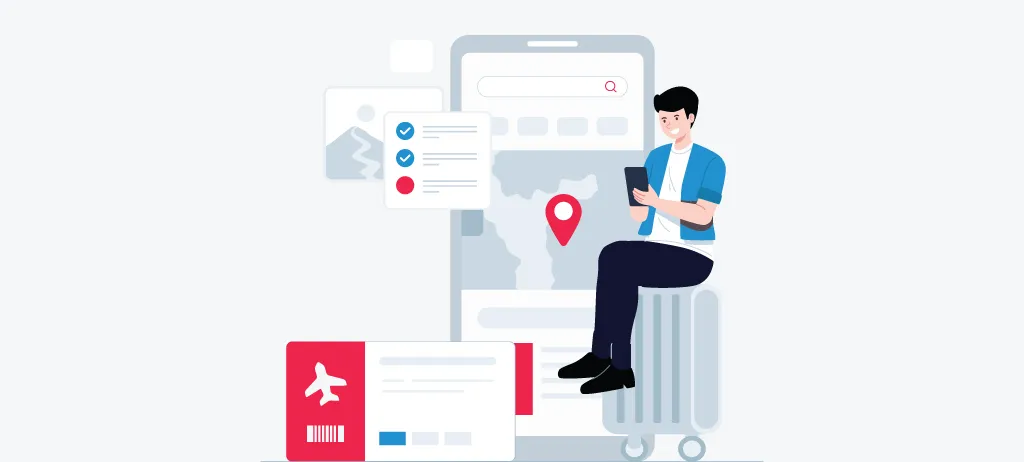
The holiday rush is a once‑a‑year surge of intent. Travelers are searching for giftable experiences, last‑minute getaways, Christmas market tours, and multi‑city itineraries, and they’re comparing options fast.
This 2026 guide shows exactly how SEO for travel agencies turns that demand into bookings and qualified leads. You’ll get a practical plan for Local/Maps visibility, destination page optimization, travel‑ready structured data, Core Web Vitals fixes, and content angles that capture “ready to book” intent, plus what to do about AI Overviews and other SERP changes.
Key Takeaways
- Local wins bookings: Nail GBP, reviews, and booking links.
- Destination pages sell: Clear value, proof, schema, strong CTAs.
- Speed = revenue: Hit Core Web Vitals thresholds on key pages.
- Structured data pays off: Product/Offer + LocalBusiness + Things to do.
- Answer specifics: Long‑tail, seasonal intents convert fastest.
- AI Overviews: Same SEO principles be useful, unique, well‑structured.
What “SEO for Travel Agencies” Means in 2026
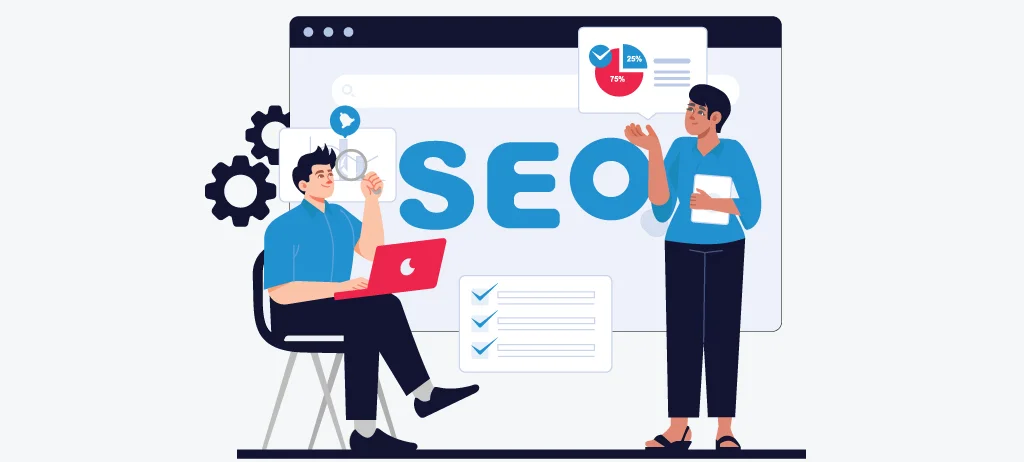
SEO for travel agencies (and SEO for tour operators) is the discipline of earning visibility across Google’s organic surfaces, traditional listings, the Local Pack/Maps, and newer AI‑assisted experiences, so travelers discover, trust, and book with you.
It blends local SEO, technical performance, structured data, and content marketing for tour operators tuned to seasonal demand and specific destinations (tourism website ranking by locale and intent). The same search strategies are equally effective for hospitality businesses working with an SEO agency for hotels to improve direct booking visibility and reduce dependence on online travel agencies. Google’s documentation emphasizes structured data for richer results, Local relevance, and page experience as ongoing priorities.
The SEO Booking Funnel: How Organic Drives Holiday Sales
Map content and UX to an SEO booking funnel:
- Awareness: “things to do in [city] in December,” “[destination] Christmas markets,” “best winter sun destinations.”
- Consideration: “guided [tour type] [destination],” “family‑friendly [tour],” “2‑day itinerary [destination].”
- Decision: “[your brand] reviews,” “price,” “availability,” “book [tour] [date].”
Tie each stage to a conversion (click to book now, lead form, call, WhatsApp), and instrument with analytics so you see query → page → action. (We’ll detail tracking below.)
Local SEO for Travel Agencies: Win Maps & “Near Me” This Season
Holiday searches trigger a lot of local and semi‑local intent (pickup points, meeting locations, service areas). Ranking in the Local Pack can be the difference between “curious” and booked.
Google Business Profile (GBP) essentials
- Name, category, service area, hours, attributes: complete and consistent. Use the most specific category (e.g., Travel agency, Tour operator). Google ranks local results primarily on Relevance, Distance, and Prominence, so relevance signals (categories, services) and proximity cues matter.
- Follow Google Business Profile (GBP) guidelines for representation to avoid suspensions.
- Publish Posts (Updates/Offers/Events) to surface seasonal packages and limited‑time deals directly on your profile.
Reviews & booking links (frictionless conversion)
- Actively request reviews via your short link/QR code in post‑trip emails. You can create a qr code for a url using tools like QR Tiger. Respond to all reviews. Don’t incentivize or gate reviews, follow Google’s review guidance.
- Add booking links to your profile (or connect a booking provider) so searchers can reserve without extra clicks.
Pro tip: If you run guided experiences, explore Google’s Things to do surfaces. The Operator Booking Module (OBM) can show your tours and prices right on your GBP with links direct to your site (via a partnered feed). That’s free, high‑intent real estate during peak season.
Destination Page Optimization That Converts
Your destination and experience pages are the money pages. Here’s the page blueprint that improves online visibility for travel brands and organic lead generation for travel companies:
The page blueprint
- H1: clear experience + destination + season (“Small‑Group Northern Lights Tour , Tromsø, December–January”).
- Intro: concise value (who it’s for, what’s included).
- Sections: itinerary, meeting point & map, what’s included/excluded, what to bring, cancellation policy, FAQs, reviews.
- CTAs: sticky Book Now, secondary Plan a Custom Trip (captures leads even when dates don’t align).
- Internal links: related tours, destination hub, seasonal blog guides (“Best time to book Christmas market tours in [city]”).
- Trust signals: badges, media mentions, review count, real photos & alt text.
Travel schema & Things to do
- Use Organization/LocalBusiness markup site‑wide (logo, contact, IDs) to strengthen brand understanding and visuals in Search.
- Mark up the tour pages with Product/Offer (title, description, price, availability); date‑specific departures can also use Event where applicable. (See Google’s gallery of supported rich results.)
- If you qualify, integrate the Things to do feed/OBM to surface your activities with price and direct booking links on Google surfaces and your GBP.
- Be cautious with FAQ schema: Google limits FAQ rich results primarily to authoritative government/health sites from 2023, use it sparingly and for users first, not snippets.
- If you display review stars, follow Review snippet guidance; avoid “self‑serving” review markup for your own LocalBusiness.
Content Marketing for Tour Operators: Q4 Quick Wins
Align seasonal travel marketing strategies with search behavior:
- Giftable experiences: “Gift a [city] food tour,” “Private [destination] photo session”; include price, validity, how gifting works.
- “Best time to book” explainers: Summarize current trends and give destination‑specific advice (Google shared updated 2026 booking windows this fall, great reference content).
- Itineraries & checklists: “3‑day Christmas in [city] itinerary,” “Holiday packing list for [climate].”
- Local events pages: “New Year’s Eve in [city],” “December festivals in [region].”
- Comparisons: “Group vs. private [tour type],” “Two‑day vs. one‑day [experience].”
- Travel keyword research tip: mine PAAs and autosuggest around “[tour type] + in winter/December/Christmas” to build long‑tail coverage fast.
This mix improves both holiday campaign SEO and bottom‑funnel conversions.
Technical Must‑Dos: Core Web Vitals & Site Speed
Speed and responsiveness directly impact conversion on travel website optimization, especially on mobile and in markets with spotty connections.
- Target Core Web Vitals thresholds (LCP ≤ 2.5s, INP ≤ 200ms, CLS ≤ 0.1) for at least 75% of visits. INP replaced FID as a Core Web Vital on March 12, 2024.
- Practical fixes: prioritize hero images (preload, responsive sizes, modern formats), reduce JS bloat on booking pages, defer non‑critical scripts, stabilize layout with explicit width/height, and compress images aggressively.
- Monitor in Search Console’s Core Web Vitals report, PageSpeed Insights, and CrUX.
Why it matters for rankings: Google recommends achieving “good” Core Web Vitals and page experience, aligning with what its core systems seek to reward.
How W3era Executes Holiday SEO for Travel Companies
If you need immediate lead generation, use this 30‑day Holiday SEO Sprint:
- Local surge (Days 1–5): Fix GBP (categories, service area, photos), add booking link, publish two seasonal Posts, launch review campaign with QR code.
- Money pages (Days 3–12): Create/upgrade 3–5 destination pages using the blueprint; add Product/Offer schema, clear CTAs, and internal links to seasonal guides.
- Things to do (Days 5–15): If eligible, connect OBM/feed so tours and prices show on your GBP and Google’s travel surfaces.
- Q4 content (Days 8–18): Publish 3 quick‑win articles (giftable experience, “best time to book” for your top route/destination, and a 48‑hour holiday itinerary).
- Speed pass (Days 1–20): Ship 3 fixes that move LCP/INP/CLS (preload hero, compress images, defer non‑critical JS).
- Measure (Days 1–30): Track calls, WhatsApp/chat, “Book now” clicks, and lead forms; tag GBP traffic; review Search Console queries weekly.
W3era can run this end‑to‑end research, content, dev tickets, schema, and tracking, so you capture this season’s demand and build durable rankings into 2026.
People Also Read: