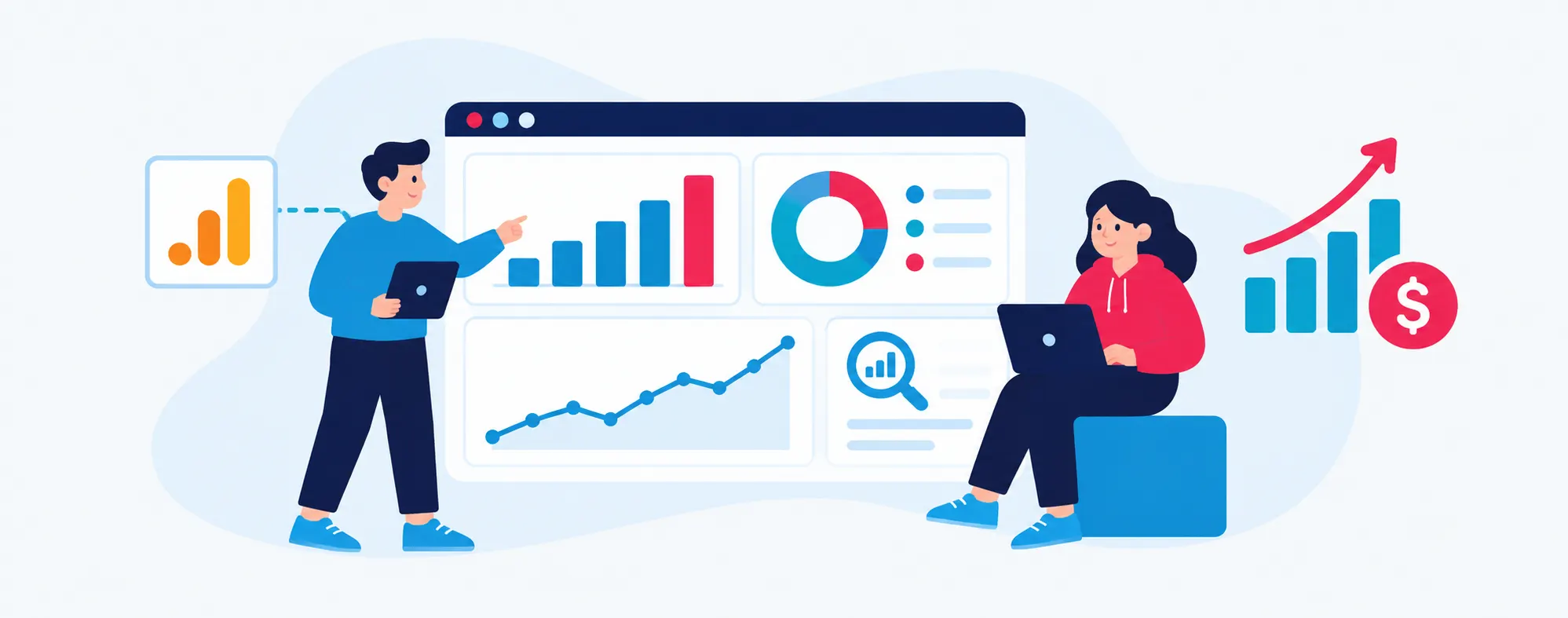
Organic traffic is the lifeline of digital marketing and SEO. Unlike paid advertising, where results are instantaneous, organic search traffic requires consistent effort, optimization, and adaptation to search engine algorithms. For businesses and SEO practitioners, understanding the root causes of traffic fluctuations is essential to maintaining steady growth and ranking stability.
This comprehensive guide explores the most crucial factors that impact organic traffic, from technical SEO issues to content optimization and algorithm updates. Whether you are an SEO professional or a business owner managing your website, these insights will help you identify, analyze, and fix traffic drops effectively.
Why Does Organic Traffic Fluctuate?
Organic traffic fluctuates due to multiple factors, including search engine algorithm updates, technical SEO issues, content changes, and competition. Identifying the exact reason for a traffic drop requires analyzing both internal and external influences affecting your site’s performance.
Key Factors That Impact Organic Traffic:
-
Technical SEO Issues (indexing, crawling, duplicate content, page speed)
-
Google Algorithm Updates (ranking volatility, spam updates, core-updates)
-
Content Quality and Optimization (keyword stuffing, thin content, outdated pages)
-
User Experience & Core Web Vitals (mobile usability, site speed, bounce rates)
-
Backlink Profile Changes (loss of authoritative backlinks, toxic link penalties)
-
Competition & Market Trends (new competitors, industry shifts, keyword trends)
Understanding these factors can help you create a data-driven approach to diagnosing and fixing traffic fluctuations.
1. Pages Aren’t Indexed: Check Your Search Visibility
A common reason for organic traffic loss is that your pages are not indexed by Google. If search engines can’t find your pages, they won’t appear in search results.
How to Check If Your Pages Are Indexed:
-
Perform a quick Google search using the syntax: site:yourwebsite.com
-
Check if all your important pages appear in the search results
-
If pages are missing, check your robots.txt file to ensure they are not blocked
-
Use Google Search Console to verify if any pages are marked as “Crawled - Currently Not Indexed”
How to Fix It:
-
Submit your sitemap.xml in the Google Search Console
-
Ensure noindex meta tags are not mistakenly applied to critical pages
-
Improve internal linking to help crawlers discover pages
-
Fix any server errors (5xx) or broken redirects
2. Bots and Spam Traffic in Google Analytics
Sometimes, an increase or decrease in traffic is due to bot traffic rather than actual user visits. Bots, crawlers, and spam referrals can create misleading spikes or dips in your analytics.
How to Identify Bot Traffic:
-
In Google Analytics, go to Audience → Technology → Network
-
Look for suspicious traffic sources with high bounce rates and low session durations
-
Exclude known bot traffic using the Google Analytics bot filtering option
How to Fix It:
-
Enable bot filtering in Google Analytics settings
-
Use custom filters to block spammy referral traffic
-
Implement CAPTCHAs on forms to prevent bot abuse
3. Recent Website Updates or Redesigns
Modifying your website structure, URL changes, or removing pages can lead to temporary traffic drops if not handled correctly.
Why It Affects Traffic:
-
New pages take time to rank, and old URLs might be removed too soon
-
Internal linking changes can reduce page authority flow
-
301 redirects not implemented, leading to 404 errors
How to Fix It:
-
If you change your URL structure, use 301 redirects to point old URLs to relevant new ones
-
Ensure all internal links are updated and optimized for new pages
-
Resubmit your sitemap in Google Search Console for faster reindexing
4. Confusion in URL Structure & Keyword Cannibalization
Having multiple pages competing for the same keyword can confuse search engines, leading to ranking drops or traffic fluctuations.
How to Identify Keyword Cannibalization:
-
Use a keyword tracking tool (SEMrush, Ahrefs) to check if multiple pages rank for the same keyword
-
Look for fluctuating rankings where different URLs appear for the same search query
How to Fix It:
-
Consolidate similar pages into one authoritative page
-
Use canonical tags to signal the preferred page to Google
-
Ensure internal links point to the strongest, most relevant page
5. Google Algorithm Updates & Ranking Volatility
Google frequently updates its search algorithm, affecting site rankings and organic traffic.
Recent Major Google Updates:
-
Core Updates: Adjusts rankings based on content quality, expertise, and relevance
-
Spam & Link Updates: Penalizes manipulative link-building practices
-
Page Experience Updates: Prioritizes mobile-friendliness, page speed, and Core Web Vitals
How to Adapt to Algorithm Updates:
-
Focus on high-quality, authoritative content
-
Improve user experience (UX) and page speed
-
Maintain a natural, authoritative backlink profile
-
Regularly audit on-page SEO optimization elements to ensure compliance with best practices.
Final Thoughts
Organic traffic fluctuations are inevitable, but with a proactive SEO strategy, businesses can maintain visibility, improve rankings, and increase conversions. Regular monitoring of indexing issues, technical SEO, content optimization, and algorithm updates is essential for long-term growth. Search engines prioritize user experience, site speed, mobile-friendliness, and authoritative backlinks, making continuous SEO refinement a necessity.
For sustained organic growth, businesses must focus on search intent, keyword relevance, and structured content rather than reacting to ranking drops. Implementing smart SEO strategies, improving site usability, and optimizing backlink profiles ensures stability.
If you want to boost your organic traffic and search rankings, partnering with an expert SEO agency can make a difference. At W3Era, we specialize in SEO strategy, content optimization, and digital growth. Contact us today to take your website’s SEO to the next level!
People Read Also: Ultimate On-Page SEO Guide: Unlock SEO Success In 2025
People Read Also: On-Page SEO Checklist: A Ultimate Guide For Success