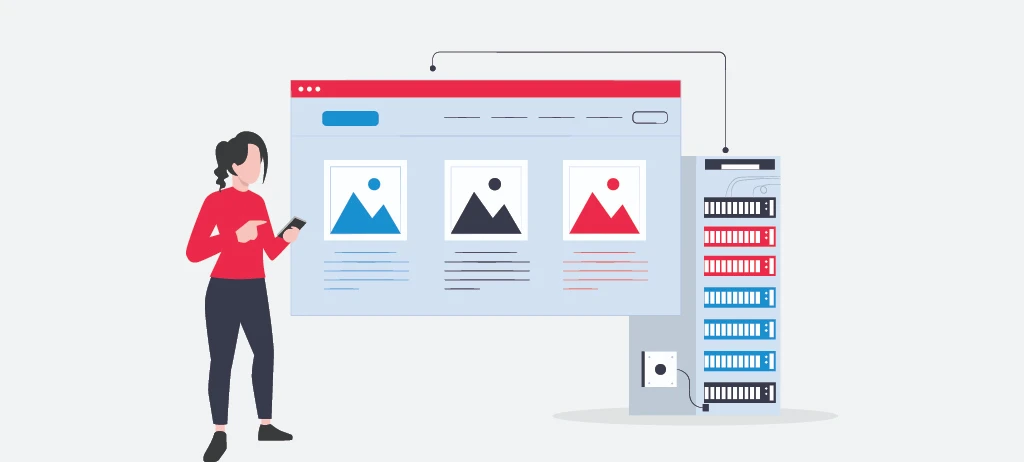
Document sharing sites are platforms where you upload PDFs, presentations, whitepapers, brochures, research papers, and guides with branded links back to your website. In 2026, the strongest options include SlideShare, Scribd, Issuu, Calaméo, Academia.edu, ResearchGate, Speaker Deck, Dropbox public links, and Google Drive public sharing. These platforms can support referral traffic, content discovery, brand visibility, and broader entity presence across the web when you publish useful documents instead of thin SEO uploads. Google still indexes PDFs, but its spam policies are clear that manipulative link-building tactics can hurt rather than help, so quality matters far more than volume.
Document sharing still has a place in off-page SEO. Not because every upload magically boosts rankings, and not because every PDF link passes strong authority, but because great documents travel. A useful checklist gets downloaded. A presentation gets embedded. A report ranks for a long-tail query. That is where document sharing sites list 2026 searches still have value. The best-performing assets are practical: checklists, reports, whitepapers, decks, tutorials, and short branded guides.
Key Takeaways
- SlideShare and Scribd remain two of the strongest mainstream document sharing sites with active upload support and broad audience reach.
- PDFs can appear in Google Search on their own, which gives well-optimized documents an extra route to visibility.
- The documents that work best are original, useful, and worth saving or sharing, not recycled keyword-stuffed files.
- Repurposing an existing blog post into a polished PDF or slide deck is often the fastest way to scale document submission sites without lowering quality.
Why Document Sharing Sites Help SEO
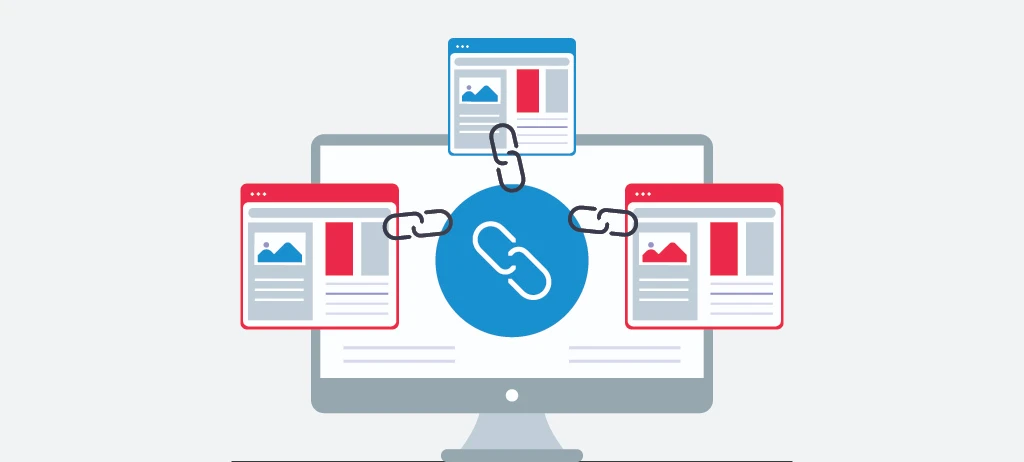
There are two reasons marketers still use document sharing sites in 2026: backlink diversity and referral traffic. If you want to understand how these links fit into a broader off-page strategy, refer to our link building complete guide. A public document can place your brand, your expertise, and your resource in front of people who may never land on your site through normal search alone. That matters.
How document links contribute to backlink diversity
A link inside a document is rarely as powerful as an earned editorial link on a relevant website. But that does not make it useless. Public documents can support a natural footprint around your brand, your campaigns, and your content assets. The mistake is treating document submission sites like a mass-link shortcut. Google’s spam policies are explicit: content created mainly to manipulate rankings is a problem.
How PDFs rank independently in Google Search
Google can index PDFs as standalone results, which gives you another searchable asset type beyond HTML pages. That is especially helpful for reports, whitepapers, case studies, and checklists with strong search intent. If the document is crawlable and useful, it can surface in search on its own.
Brand visibility through document discovery
This is the quieter benefit. Someone finds your deck on SlideShare. Someone reads your report on Scribd. Someone shares your catalog on Calaméo. Even when the SEO value is indirect, the visibility is real. Platforms like SlideShare, Scribd, Calaméo, and Speaker Deck are built around sharing and discovery, not just storage.
What Types of Documents to Submit
Not all doc sharing sites deliver the same results because not all documents deserve attention. The strongest uploads solve a clear problem fast.
Step-by-step guides and checklists
Simple, actionable, and easy to skim. These are often the best starting point if you want referral clicks. Similar visual-first content formats also perform well on infographic submission sites when designed for quick consumption and sharing.
Industry reports and statistics
Original data travels further than opinion. If you have internal numbers, trends, or benchmark findings, turn them into a branded PDF.
Case studies
A strong case study gives readers proof, not theory. It also works well on both general and niche file sharing sites.
Whitepapers
Best for B2B, SaaS, finance, research-led, or technical industries where depth matters.
Presentation decks
This format works especially well on SlideShare and Speaker Deck, where visual structure matters as much as the information itself.
How-to tutorials
Tutorials keep working because they match search behavior. People are still looking for clear answers, not clever branding.
How to Optimize Documents Before Submitting
Before you upload anything to document sharing sites, make the asset worth finding.
- Add your website URL on the first page and the last page
- Include your brand name and logo
- Write a keyword-rich but natural title
- Add a 100–150 word description using the target phrase naturally
- Use platform tags and categories where available
- Link back to related resources inside the document body
- Keep the file readable, fast-loading, and cleanly formatted
- Add descriptive filenames such as; document-sharing-sites-list-2026.pdf
That final point matters more than most people think. A messy PDF with generic naming and no structure is hard to discover and easy to ignore.
You can also extend your content reach by repurposing these assets across article submission sites for additional visibility and indexing opportunities.
100 Document Sharing Sites List 2026
A quick note before the list: not every platform below is equal. Some are true public-facing document sharing sites. Some are better described as presentation platforms, academic repositories, flipbook publishers, or public file hosts. Use them based on fit, not just quantity.
Also, one correction for accuracy: DocStoc is no longer active, and Zoho Docs was discontinued, so they should not be used in a 2026 campaign.
Tier 1: Core platforms worth prioritizing
|
Site
|
Best For
|
Formats / Use
|
Dofollow |
| 1. SlideShare |
Decks, guides, B2B content
|
PPT, PDF, Word
|
No |
| 2. Scribd |
Reports, guides, docs
|
PDF, DOC, PPT, XLS, more
|
No |
| 3. Issuu |
Magazines, catalogs, brochures
|
PDF publications
|
No |
| 4. Calaméo |
Catalogs, brochures, magazines
|
PDF / digital publications
|
No |
|
5. Speaker Deck
|
Presentation sharing
|
PDF decks
|
No |
|
6. Academia.edu
|
Research and academic content
|
Papers, research docs
|
No |
|
7. ResearchGate
|
Scholarly and scientific sharing
|
Research uploads
|
No |
|
8. Dropbox Public Sharing
|
Controlled file sharing
|
View-only public links
|
No |
|
9. Google Drive Public Sharing
|
Basic public file access
|
Public shared documents
|
No |
SlideShare supports PPT, PDF, and Word uploads and says publishers can reach more than 70 million users. Scribd supports PDFs, Word, PowerPoint, Excel, and more, and promotes public document reach. Calaméo focuses on digital publications and online catalogs. Speaker Deck is PDF-first for slide sharing. Dropbox remains useful for public, view-only document links, though it is better treated as a file-sharing tool than a discovery-first SEO platform.
Tier 2: Strong supporting platforms
10. SlideServe
11. AuthorSTREAM
12. DocDroid
13. Edocr
14. YUMPU
15. FlipHTML5
16. AnyFlip
17. Joomag
18. Publuu
19. MediaFire
20. 4shared
21. Box shared links
22. OneDrive shared links
23. Zoho WorkDrive shared links
24. Adobe Express shared docs
25. Canva public docs
26. Notion public docs
27. GitBook public docs
28. Heyzine
29. FlowPaper
30. Flipsnack
Use these when the format makes sense. Flipbook and catalog tools are especially good for brochures, portfolios, magazines, and visual lead magnets. Storage-first tools help with distribution, but not all of them offer strong on-platform discovery.
Tier 3: Niche, repository, and additional document hosts
31. Internet Archive
32. Zenodo
33. Figshare
34. SSRN
35. OSF
36. arXiv
37. bioRxiv
38. medRxiv
39. HAL
40. RePEc
41. E-LIS
42. Mendeley Data
43. Dryad
44. Humanities Commons
45. LAPSE
46. SlidePlayer
47. SlideBoom
48. Prezi public share
49. Google Slides public publish
50. Microsoft Sway
51. SpeakerHub
52. Pearltrees
53. PADLET public boards
54. Behance project PDFs
55. Dribbble case-study PDFs
56. Kaggle datasets with docs
57. GitHub Releases with PDF docs
58. GitHub Pages PDF library
59. ReadkonG
60. Publitas
61. Paperturn
62. FlipBuilder Cloud
63. DocHub public docs
64. PDFHost.io
65. Files.fm
66. SendGB
67. WeTransfer Portals
68. pCloud public links
69. Mega public links
70. iCloud public sharing
71. Koofr shared links
72. Sync public links
73. Egnyte public links
74. Nextcloud public share
75. ownCloud public share
76. SharePoint public sharing
77. Dropbox DocSend
78. Issuhub-style niche mirrors
79. Dailymotion docs embeds via PDF landing pages
80. Vimeo PDF resource links
81. Substack resource PDFs
82. ConvertKit resource library links
83. HubSpot file manager public PDFs
84. Mailchimp content studio public files
85. Contently asset libraries
86. Ceros resource docs
87. Webflow asset libraries
88. Squarespace file links
89. Wix file sharing
90. Shopify downloadable PDFs
91. Gumroad free PDF resources
92. Payhip free docs
93. Teachers Pay Teachers free PDFs
94. Academia mirrors by institution
95. University repository uploads
96. Government open publication repositories
97. NGO report libraries
98. Chamber of commerce resource hubs
99. Industry association document libraries
100. Trade publication resource centers
The further down the list you go, the more selective you should become. Many of these are useful for distribution, but only some are true document sharing sites with meaningful discovery built in.
Best Practices for Document Submission
A lot of people waste time here. They upload one thin PDF to 40 sites, add a homepage link, and expect rankings to move. That is not the play.
Use this instead:
- Submit 3–5 strong documents first, not 50 weak ones
- Repurpose your top-performing blog posts into polished PDFs
- Embed links inside the document body, not only on the cover
- Create a matching HTML landing page on your own site
- Track clicks and assisted traffic in GA4. Promoting your documents through 200+ High DA Social Bookmarking Sites can further amplify reach and referral traffic.
- Refresh high-performing PDFs every few months
- Use different formats for different platforms: deck for SlideShare, report for Scribd, catalog for Calaméo
- Focus on usefulness first, SEO second
If you are already building out off-page assets, this works well alongside a link building complete guide, infographic submission sites, article submission sites, and profile creation sites strategy to build a strong off-page SEO foundation.
Final Thoughts
The best document sharing sites list 2026 is not the biggest one. It is the one you can actually use well. Start with SlideShare, Scribd, Issuu, Calaméo, and one or two niche-fit platforms. Publish documents people would genuinely save, cite, or share. That is how document submissions help SEO and referral traffic now: through visibility, utility, and branded reach, not through bulk link drops.