Almost every business wants a faster growth rate than its peers. But interestingly, only a few know how to make a sustainable business and scale strategically.
Paid ad campaigns can bring a lot of traffic in less time. But it stops when the campaign is over. So, companies need good growth marketing strategies if they want to keep growing at a steady pace.
According to research, companies that use structured growth marketing are almost 3.5 times more likely to increase their revenue as compared to their competitors.
You know why?
This is because they do not rely on temporary ideas that are effective for a short period and then become obsolete. They work on growth and build sustainable systems that retain customers.
So here, we will discuss seven practical growth marketing strategies you can use to scale your business. Here we go.
1) Build a Strong Customer Acquisition Funnel
Every growing business needs a proper way to turn visitors into paying customers. That path is called a customer acquisition funnel. It starts when people are first introduced to your brand and ends when they buy your products.
The first step is to get people to come in through Google Ads, SEO, social media or referral marketing campaigns. When they start to interact, send them useful content and short emails that explain how your product really helps them. At the end, use tools like Google Analytics 4 to see where people click and what they skip. This helps you save money and get better leads every time. Use tools like Referral Rock to manage your referral program campaigns and track the customer engagement on your brand product.
2) Focus on Retention Before Expansion
It is important to first retain the existing customers before chasing the new ones for sustainability. Always remember that retention marketing is less costly and more stable than acquisition.
Utilize lifecycle campaigns that send appropriate, timely emails based on user behavior. It can include personalized reminders or exclusive offers.
Set up email nurturing sequences and personalized recommendations. It will keep your customers engaged after their purchase.
After a customer buys a few times, track behavior through customer journey mapping to see what brings them back. To optimize and interpret this data effectively, leveraging customer journey analytics tools can help identify key touchpoints and reveal patterns that drive repeat purchases.
A loyal user buys again and again and also tells others. Retained customers reduce Customer Acquisition Cost and increase Lifetime Value. These two key metrics help make scaling easier and more predictable.
3) Use Data for Smarter Decisions
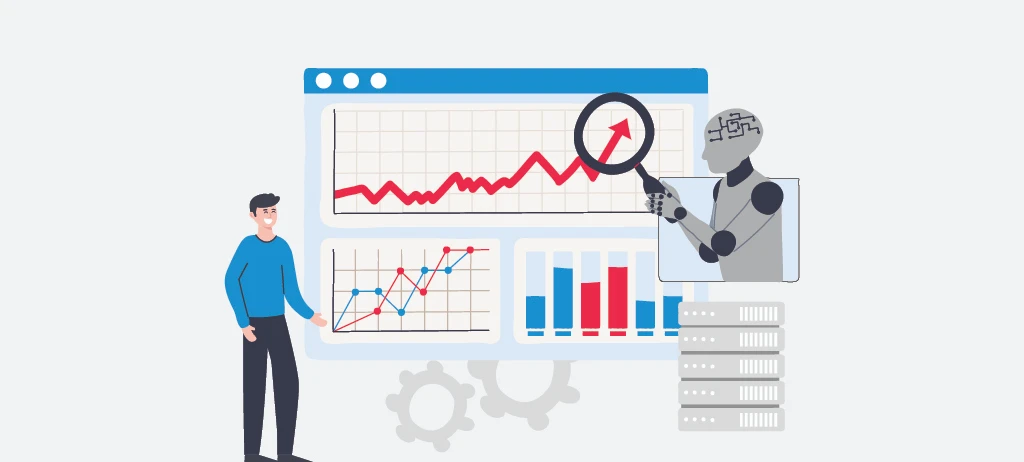
Smart marketers do not make guesses. They rely on data to make decisions that actually affect the business in a positive way. Every click, every visit, and every purchase informs us about which strategies are working and which are not performing well.
By analyzing this data, you can refine your campaigns and improve the user experience that will ultimately deliver results.
You can use Google Analytics or HubSpot to track the important metrics. These may include CTR, conversion rate, churn rate, and user retention curve. Follow a simple growth loop, like first collect the data, then test an idea, measure its results, and see where improvements are needed, and work on them.
Over time, this cycle can turn raw insights into clear actions that boost your ROI.
4) Get Only High-quality and Relevant Backlinks
The algorithms of search engines have changed a lot, but backlinks still play a key role in ranking. However, not all the backlinks provide equal value.
Quality backlinking is all about making good connections using referral marketing and content that is actually worth linking to. One good and relevant backlink from a trusted site provides much more value than a dozen backlinks from irrelevant and low-quality sites.
Therefore, before reaching out to any site for link collaboration, check key metrics like domain authority and spam score through Prepostseo. These insights are usually enough to decide if the website is suitable for link building.
5) Experiment Continuously By A/B Testing
Testing is a very good approach to finding the best things that connec more with your clients. That’s why A/B testing plays a crucial role in the growth of a business.
You can try different headlines, CTAs, button text, layouts, pricing, sales letter copy, and the landing pages. But try one thing at a time. Like change the heading and check the heading A vs. heading B stats and so on for the CTAs and page layouts, etc. This way, you can see which heading or page layout attracts more visitors to your content and encourages them to become customers.
Next, measure the statistics for all these changes using the tools provided by ad platforms. Check for conversion rate, revenue per visitor, and click-through rate, and make a simple sheet of result stats. Then analyze the results to decide what to do next.
6) Automate and Keep Improving Your Growth Funnel
As a business starts growing, the manual work operations become slow and cause issues. That’s where automation helps. You can set up email sequences that send messages automatically when someone signs up or leaves the cart. This practice keeps your brand connected with potential customers without constant manual effort.
You can use tools like Mailchimp or Sender to make the mailing service run on its own. They keep an eye on what users do and send them the right message at the right time. This saves hours and also makes your marketing more personal.
Many growing companies also use product-led growth. It means your product itself does the job of marketing. Remember that users are more attracted to free trials or limited features. Once they think your product is helpful for them, they can buy it. That’s how real scaling begins. Small systems perform significant tasks.
7) Use Customer Feedback to Drive Growth
Well, this is a very crucial approach to growing your business. Customer feedback contains very important insights about your services or products. And when you listen to your customers, they feel more valued, and the retention rate increases.
Make a strong connection with your customers. You should reply to every comment, either positive or negative. This will show readers that you really care about your customers, and they may be attracted to you. Furthermore, analyze the customer reviews and check where your services or products are lacking to satisfy them. Work on them and improve them.
Update your marketing campaigns to reflect their preferences or answer common questions. This not only improves user satisfaction but also increases retention, lowers churn, and makes your customer journey smoother.
Final Words
Growth marketing is not a one-time approach. It evolves with your business. Do not spend more and more on ad campaigns or hiring more staff. Instead, go strategically. Pay more attention to customer retention as compared to customer acquisition because it is a less expensive and more result-driven approach.
Keep experimenting with your content, approaches, pricing, and customer journey. See what makes a big difference and follow it for a long time until you see the results declining.
After your business becomes sustainable, start automating it. Use tools to reach out to customers regularly (of course, wisely, not rushing their inbox with irrelevant messages and emails) to keep them intact.
If you follow these steps, scaling becomes predictable and sustainable rather than random.