


Google’s New Robots.txt Update: What It Means for SEO and AI-Driven Crawling

Loading content...
Continue Read Other Related News
DPDP Act 2026: How India’s New Data Privacy Rules Are Changing Digital Marketing
Google Adds New FAQ Section to AI Max Help Document, And Quietly Removes API Warning
Google Search Console Now Lets Creators Track Instagram, TikTok, X, and YouTube Performance
Google Confirms It Does Not Use llms-author.txt or Content-Signal Headers
Google Business Profile Review Penalties Are Now Additive Repeat Violations, Double the Restriction
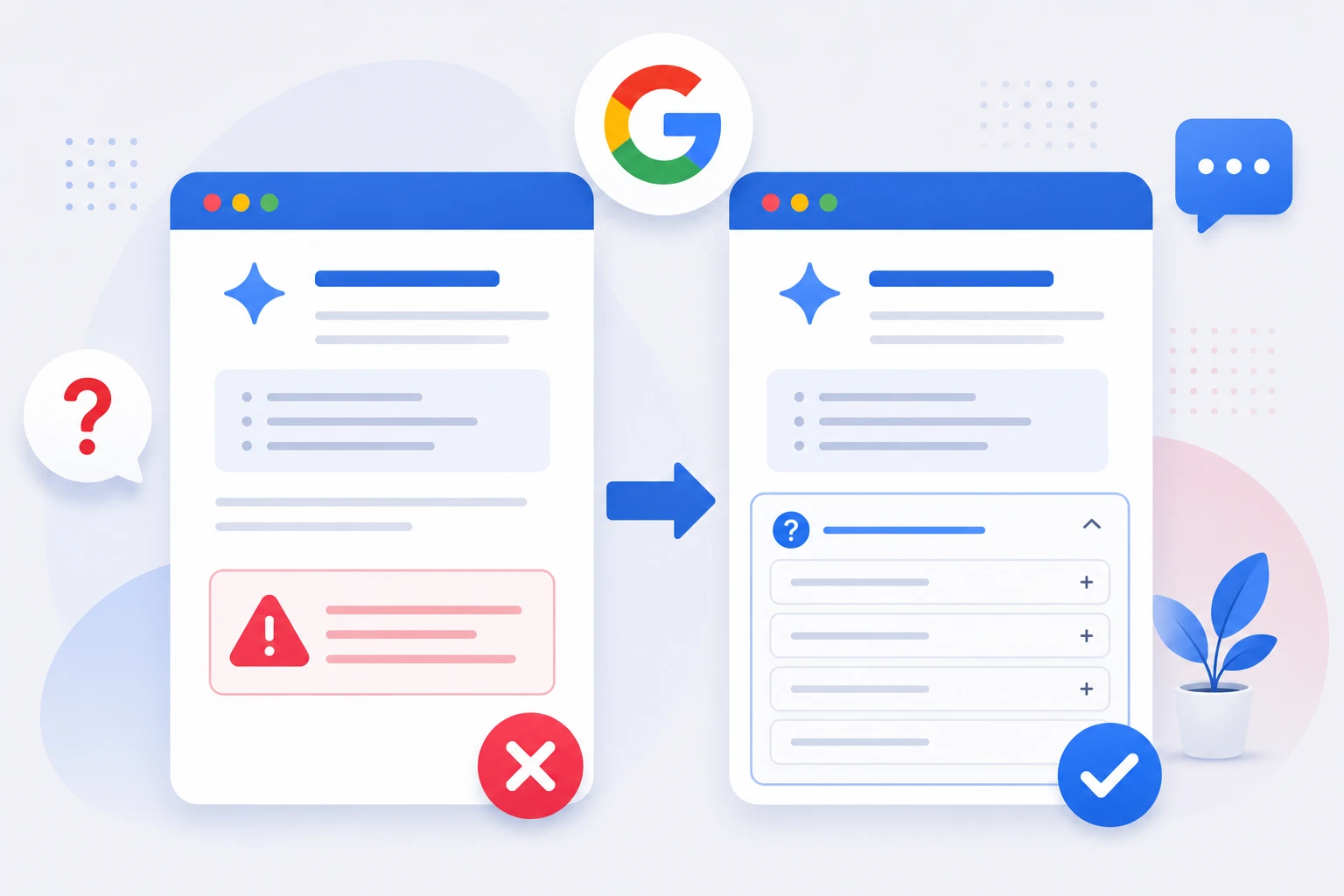
Frequently AskedQuestions
What is the robots.txt file, and why is it important for SEO?
The robots.txt file acts as a set of guidelines for search engine crawlers, indicating which pages they can or cannot access on a website. It is of utmost importance when it comes to SEO activities, as it regulates the crawling efficiency of engines and thus helps prevent the indexing of pages of no material value to search engines while allowing them to focus on content of real value, which can consequently be better ranked.
How does Google’s new robots.txt update impact website crawling and indexing?
In the new robots.txt explainer only four allowed directives are now enforced (user-agent, allow, disallow, and sitemap). The rest is completely ignored. This way the crawling would proceed more efficiently, indexing errors would be avoided, and webmasters would be encouraged to utilize standardized directives in handling the accessibility of their websites.
What happens if your robots.txt file is outdated under Google’s new guidelines?
Google now ignores deprecated directives in an outdated robots.txt file, which may lead to unwanted crawling of restricted pages \ or blocking crucial content. Hence, regular audits and updates are needed to ensure compliance with Google's latest recommendations on optimal crawling and indexing.
Is robots.txt necessary for SEO, and how does it affect search rankings?
Even though it is not necessary for every website, a robots.txt file is important for managing crawl budgets and preventing indexing of low- or duplicate-value content. Proper handling of the robots.txt file makes ranking more essential for search engines and website visibility.
In what cases does Google ignore the robots.txt file, and why?
Google may ignore robots.txt disallow rules if the file contains incorrect syntax, unsupported directives or is not placed in the root directory. Some AI-driven crawlers and third-party bots do not adhere to robots.txt protocols, requiring alternative security measures like meta tags or firewall settings.
More Related News:

Google Ads Now Lets You Apply ...
Explore the most impactful Google algorithm updates from 202...


Google’s 2024 SEO Update: Link...
In the vast landscape of search engine optimization (SEO), t...
Loading Footer Banner...
Subscribe To Our Newsletter.Digest Excellence With These Marketing Chunks!
About Company
- About Us
- Case Study
- Portfolio
- Contact Us
- Testimonials
- Frequently Asked Questions
- Life at W3era
- Write For Us
- Meet Our Team
- Sitemap
Connect with Social

Resources
- Blogs
- News
- Our Mentions
- Blog Feed
- News Feed
- Career
- SEO Tools
- Website Audit Tool
- SEO By Industry
- Our Clients
- Refund Policy
- Privacy Policy
- Terms & Conditions

Head Office

US Office
Copyright © 2008-2026 Powered by W3era Web Technology PVT Ltd